🎬 Shang-Chi and the Legend of the Ten Rings (2021)
Part of Marvel Cinematic Universe (MCU)
Shang-Chi and the Legend of the Ten Rings marks a historic milestone as Marvel Studios' first film with an Asian director and predominantly Asian cast, bringing one of Marvel's most skilled martial artists from the comic page to the big screen. The character of Shang-Chi first appeared in Special Marvel Edition #15 in 1973, created by Steve Englehart and Jim Starlin during the kung fu craze of the 1970s. Originally titled 'Master of Kung Fu', the comic series ran for over 100 issues and established Shang-Chi as a complex hero torn between his father's criminal empire and his own moral compass.
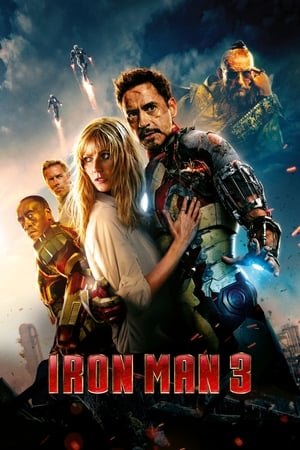
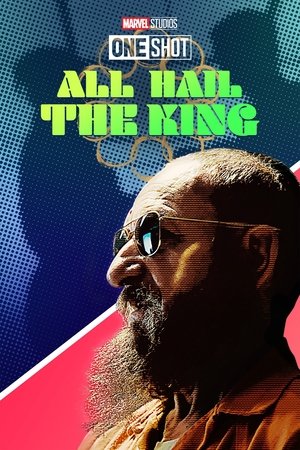
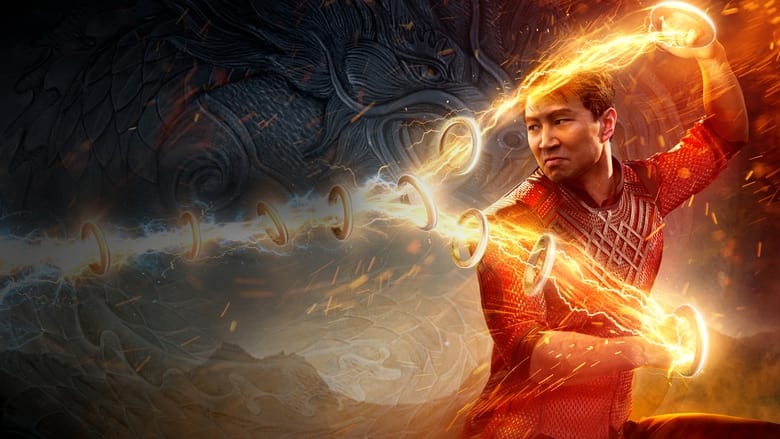
The film adaptation, directed by Destin Daniel Cretton, makes significant changes to the source material while honoring its spirit. The most notable revision involves Shang-Chi's father, who in the comics was originally the problematic Fu Manchu character and later retconned to Zheng Zu. The MCU version reimagines him as Wenwu, played with magnetic intensity by Tony Leung, who is also a reinvention of the Mandarin — a character previously teased in Iron Man 3. This consolidation streamlines decades of complicated comic book history into a compelling father-son drama. The Ten Rings themselves are transformed from literal finger rings into mystical armbands that grant their wearer immense power and longevity.
Simu Liu leads the cast as Shang-Chi, bringing both physical prowess and emotional vulnerability to the role. The film expands the character's world significantly, introducing his sister Xialing, a character created specifically for the MCU, and the mystical realm of Ta Lo, inspired by Chinese mythology. The action sequences blend Hong Kong martial arts cinema influences with Marvel's signature spectacle, choreographed by the late Brad Allan of the Jackie Chan stunt team. The bus fight sequence in San Francisco and the scaffolding battle in Macau stand out as particular highlights that showcase Shang-Chi's unique fighting style.
As the 25th film in the Marvel Cinematic Universe, Shang-Chi and the Legend of the Ten Rings weaves connections to the broader MCU while standing firmly on its own. The return of Ben Kingsley's Trevor Slattery from Iron Man 3 provides comic relief and continuity, while Wong's appearance ties the story to Doctor Strange's corner of the universe. The film was both a critical and commercial success, praised for its representation, action choreography, and emotional depth, proving that a hero once considered a niche character could carry a major blockbuster and open a new chapter for the MCU.
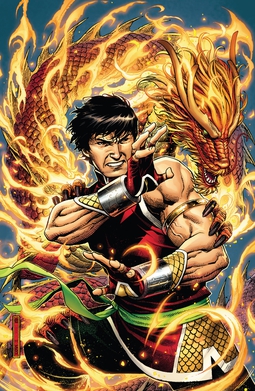
Shang-Chi is a superhero character appearing in American comic books published by Marvel Comics. He was created by writer Steve Englehart and artist Jim Starlin, debuting in Special Marvel Edition #15 in December 1973. The character was originally conceived as the son of the fictional villain Fu Manchu, a creation of novelist Sax Rohmer, though this connection was later severed when Marvel lost the rights to the Fu Manchu character. Shang-Chi is a master of numerous martial arts and is often referred to as the 'Master of Kung Fu', a title that also served as the name of his long-running solo comic series.
Raised from childhood to be a living weapon by his father, Shang-Chi eventually discovers his father's true villainous nature and rebels against him, dedicating his life to fighting injustice. Unlike many superheroes, Shang-Chi possesses no superhuman powers; his extraordinary abilities come entirely from rigorous training, discipline, and mastery of chi, which allows him to perform seemingly superhuman physical feats. His fighting style incorporates elements of various real-world martial arts, including kung fu, judo, and karate.
Over the decades, Shang-Chi has been a member of various Marvel superhero teams, including the Heroes for Hire, the Secret Avengers, and the Avengers. The character gained renewed prominence in the 2010s and 2020s, with comic book storylines that redefined his origin, removing the problematic Fu Manchu connection and replacing his father with an original character, Zheng Zu, an ancient sorcerer. The Ten Rings, originally depicted as literal rings worn by the Mandarin, were reimagined as a criminal organization tied to Shang-Chi's family history, further integrating him into the broader Marvel Universe mythology.
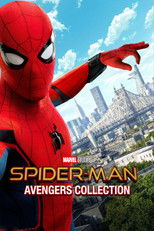
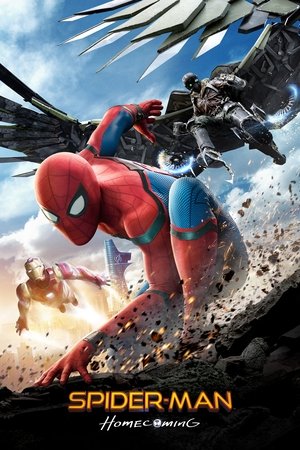
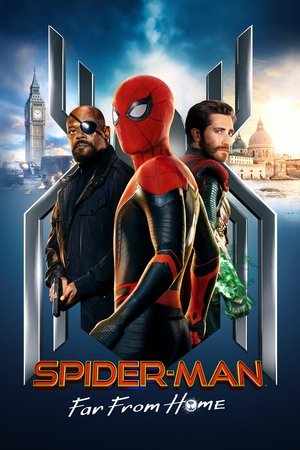
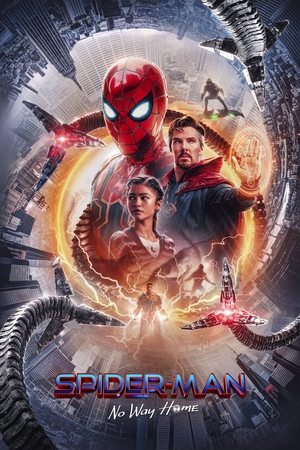
The Spider-Man (MCU) collection is a trilogy of superhero films centered on Peter Parker, a teenage superhero navigating the complexities of adolescence within the larger Marvel Cinematic Universe. Produced by Marvel Studios and distributed by Sony Pictures Releasing, the series marks the character's integration into the MCU following a landmark agreement between the two studios. The films follow Peter as he balances high school life with his secret identity, mentored by Tony Stark, and gradually confronts threats that escalate from local menaces to multiverse-shattering crises. This collection is defined by its coming-of-age narrative, blending the spectacle of superhero action with the relatable struggles of youth, friendship, and responsibility.
The trilogy explores Peter's evolution from an eager, inexperienced hero seeking approval to a self-reliant figure who understands the weight of his choices. Thematically, it grapples with identity, loss, and the consequences of living a double life, all while maintaining a light, humorous tone characteristic of the MCU's Spider-Man. The films are deeply interconnected with the broader MCU, with events from other films directly impacting Peter's journey, and his actions, in turn, sending ripples through the shared universe. This interconnectedness culminates in a narrative that not only honors the legacy of previous Spider-Man adaptations but also expands the possibilities of the character within a vast, interconnected superhero landscape.
Culturally, the collection has been a significant commercial and critical success, revitalizing the Spider-Man film brand for a new generation. It successfully reintroduced the character without retelling his origin story, instead focusing on his growth within an already established world of heroes. The trilogy's blend of high school comedy, heartfelt drama, and large-scale superhero action resonated with audiences, making it a standout within the MCU's sprawling narrative. Its impact is evident in its box office performance and its role in bridging different eras of Spider-Man cinema, creating a unique, celebratory event for fans.
The legacy of this collection lies in its innovative approach to a well-known character, proving that a fresh perspective can reinvigorate even the most familiar stories. By embedding Spider-Man firmly within the MCU, the trilogy allowed for character dynamics and plot developments impossible in a standalone series, while still delivering a deeply personal arc for Peter Parker. It stands as a testament to collaborative studio filmmaking and a defining chapter in the ongoing story of one of pop culture's most enduring heroes.