🎬 The Incredible Hulk (2008)
Part of Marvel Cinematic Universe (MCU)
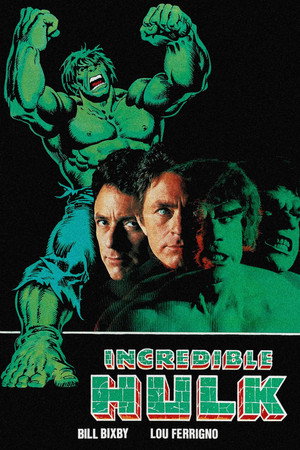
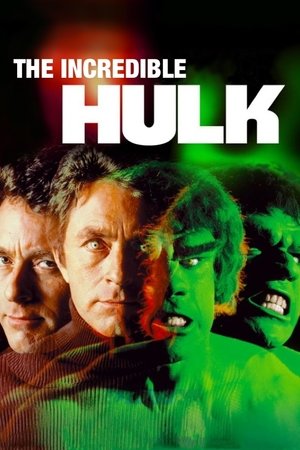
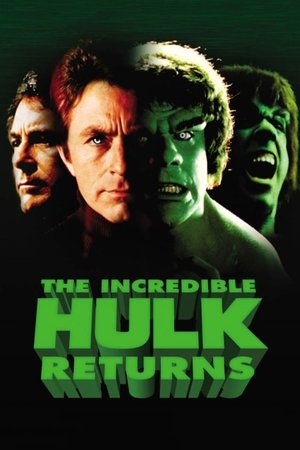
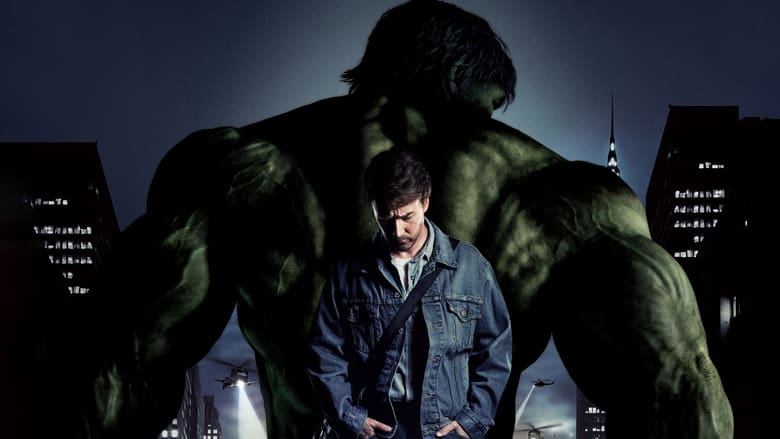
The Incredible Hulk is a 2008 superhero film that serves as the second entry in the Marvel Cinematic Universe (MCU), acting as a reboot of the Hulk film franchise following Ang Lee's 2003 film Hulk. Directed by Louis Leterrier and starring Edward Norton as Bruce Banner, the film draws its primary inspiration from the classic Marvel Comics character created by Stan Lee and Jack Kirby in 1962, but also heavily incorporates elements from the 1978-1982 television series starring Bill Bixby and Lou Ferrigno.
The film begins in medias res, with Banner already on the run in Brazil, desperately searching for a cure for his condition while being hunted by General Thaddeus 'Thunderbolt' Ross. This fugitive narrative structure is a direct homage to the TV show, complete with the iconic 'Lonely Man' theme music. Norton, an uncredited script doctor on the project, sought to ground the story in a more serious, character-driven tone, focusing on Banner's psychological torment and the tragedy of his condition, much like the classic comics and the television series.
A key distinction from the 2003 film is the Hulk's origin, which is retold in a quick montage during the opening credits. Instead of a nanomeds experiment, the origin is re-aligned with the comics and the TV show: a gamma radiation experiment gone wrong. The film also introduces the concept of the 'Super Soldier' program, tying the Hulk's creation to the same lineage that produced Captain America, and features the Abomination, a classic comic book villain, as the primary antagonist. The film's climax in Harlem is a direct nod to the comic book aesthetic of a massive, destructive superhero brawl in an urban environment.
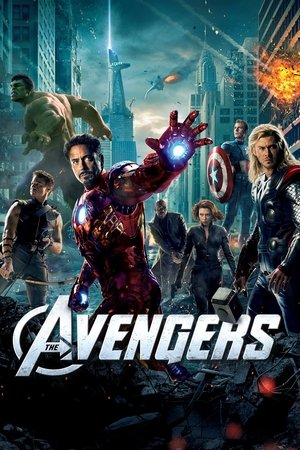
Though a commercial success, The Incredible Hulk is often noted for its somewhat isolated place within the MCU. Edward Norton's departure from the role due to creative differences led to Mark Ruffalo taking over the part from 2012's The Avengers onward, resulting in a significant tonal and visual reinterpretation of the character. Despite this, the film firmly established the Hulk's presence in the shared universe, with a cameo by Robert Downey Jr.'s Tony Stark at the very end, explicitly linking the film to the larger narrative that would culminate in The Avengers.

The Incredible Hulk is a comic book series created by writer Stan Lee and artist Jack Kirby, first published by Marvel Comics in May 1962. The series introduced Dr. Robert Bruce Banner, a brilliant but emotionally reserved physicist who, after being caught in the blast of a gamma bomb he invented, transforms into a powerful, green-skinned humanoid monster whenever he experiences anger or stress. The character's struggle between his human intellect and the Hulk's primal rage became a central theme, exploring ideas of duality, repression, and the monstrous potential within humanity.
Initially, the Hulk was depicted as gray, but due to printing inconsistencies, his skin color was changed to the iconic green in subsequent issues. The original series was canceled after just six issues, but the character's popularity grew through guest appearances in other Marvel titles, leading to a revival in Tales to Astonish and eventually his own long-running series. Over the decades, the Hulk's persona has splintered into multiple distinct personalities, including the childlike Savage Hulk, the cunning Gray Hulk (Joe Fixit), and the intelligent Merged Hulk (Professor Hulk), each representing different facets of Banner's fractured psyche.
The Hulk has become one of Marvel's most recognizable and enduring characters, spawning numerous comic book series, animated television shows, video games, and a major live-action film franchise. The character's pathos—a man cursed by his own genius, forever on the run from the military and his own destructive power—has resonated with audiences for generations, making him a cornerstone of the Marvel Universe and a complex antihero whose stories blend superhero action with psychological drama and tragedy.
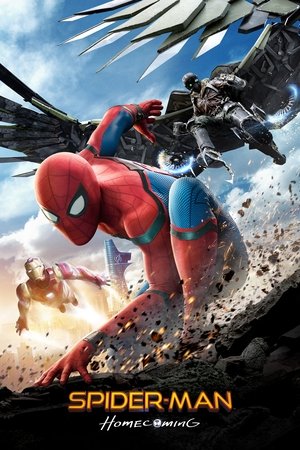
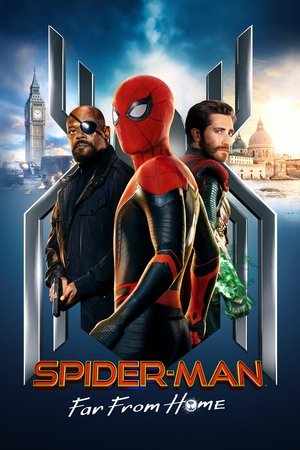
The Spider-Man (MCU) collection is a trilogy of superhero films centered on Peter Parker, a teenage superhero navigating the complexities of adolescence within the larger Marvel Cinematic Universe. Produced by Marvel Studios and distributed by Sony Pictures Releasing, the series marks the character's integration into the MCU following a landmark agreement between the two studios. The films follow Peter as he balances high school life with his secret identity, mentored by Tony Stark, and gradually confronts threats that escalate from local menaces to multiverse-shattering crises. This collection is defined by its coming-of-age narrative, blending the spectacle of superhero action with the relatable struggles of youth, friendship, and responsibility.
The trilogy explores Peter's evolution from an eager, inexperienced hero seeking approval to a self-reliant figure who understands the weight of his choices. Thematically, it grapples with identity, loss, and the consequences of living a double life, all while maintaining a light, humorous tone characteristic of the MCU's Spider-Man. The films are deeply interconnected with the broader MCU, with events from other films directly impacting Peter's journey, and his actions, in turn, sending ripples through the shared universe. This interconnectedness culminates in a narrative that not only honors the legacy of previous Spider-Man adaptations but also expands the possibilities of the character within a vast, interconnected superhero landscape.
Culturally, the collection has been a significant commercial and critical success, revitalizing the Spider-Man film brand for a new generation. It successfully reintroduced the character without retelling his origin story, instead focusing on his growth within an already established world of heroes. The trilogy's blend of high school comedy, heartfelt drama, and large-scale superhero action resonated with audiences, making it a standout within the MCU's sprawling narrative. Its impact is evident in its box office performance and its role in bridging different eras of Spider-Man cinema, creating a unique, celebratory event for fans.
The legacy of this collection lies in its innovative approach to a well-known character, proving that a fresh perspective can reinvigorate even the most familiar stories. By embedding Spider-Man firmly within the MCU, the trilogy allowed for character dynamics and plot developments impossible in a standalone series, while still delivering a deeply personal arc for Peter Parker. It stands as a testament to collaborative studio filmmaking and a defining chapter in the ongoing story of one of pop culture's most enduring heroes.

The Hulk franchise within the Marvel Cinematic Universe follows Bruce Banner's struggle to contain and harness the destructive power of the Hulk. Beginning with The Incredible Hulk (2008), one of the earliest entries in the MCU, the character's journey explores themes of inner conflict, the ethics of scientific experimentation, and the challenge of controlling rage. Though the character has not received a standalone sequel, the Hulk has remained a central figure in the broader MCU, appearing in ensemble films where his arc evolves from outcast to reluctant hero.
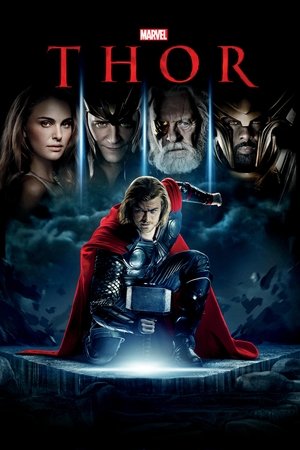
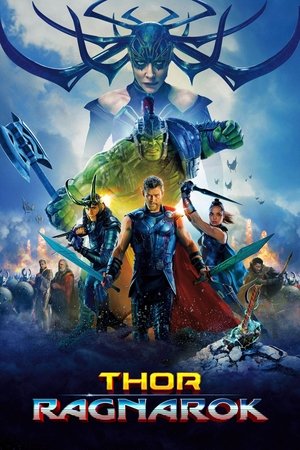
The franchise as defined here reflects the character's recurring presence across the MCU timeline, notably in Thor: Ragnarok where Banner's personality re-emerges after years trapped as the Hulk. This transition marked a significant evolution for the character, exploring the psychological toll of living as two beings in constant conflict and ultimately leading to the fusion of Banner's intellect with the Hulk's strength in Professor Hulk.
While distinct from the classic The Incredible Hulk Collection — which encompasses the earlier non-MCU films — this collection tracks the character's modern cinematic journey within the shared Marvel universe.