🎬 Werewolf by Night (2022)
Part of Marvel Cinematic Universe (MCU)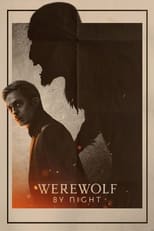
Marvel Studios' Werewolf by Night is a 2022 television special that marks a significant departure from the typical Marvel Cinematic Universe formula. Directed by composer Michael Giacchino in his directorial debut, the special is presented as a black-and-white homage to classic Universal Monster movies and Hammer horror films of the 1930s and 1940s. It was released as the first Marvel Studios Special Presentation on Disney+, establishing a new format for standalone stories within the MCU.
The special adapts the Marvel Comics character Jack Russell, who first appeared in Marvel Spotlight #2 in 1972. Created by Gerry Conway and Mike Ploog during Marvel's horror boom of the 1970s, the original comic followed a man cursed to transform into a werewolf under the full moon. The MCU adaptation takes significant creative liberties, reimagining the monster hunter gathering as a ceremonial competition following the death of legendary hunter Ulysses Bloodstone, with Gael García Bernal bringing a world-weary charm to the title role.
Giacchino's direction deliberately evokes the visual language of classic horror cinema, employing practical creature effects, period-appropriate transitions, and a moody score that he composed himself. The special also introduces Laura Donnelly as Elsa Bloodstone and features the MCU debut of Man-Thing, another cult-favorite Marvel monster character. At just under an hour, the special was praised by critics for its tight pacing, atmospheric presentation, and willingness to embrace a darker, more violent tone than typical MCU fare. A colorized version titled Werewolf by Night in Color was released in October 2023.

Werewolf by Night is a Marvel Comics character and comic book series that first appeared in Marvel Spotlight #2 in February 1972. Created by writer Gerry Conway and artist Mike Ploog, the character's real name is Jack Russell, a man cursed with lycanthropy who transforms into a werewolf during the full moon. The series was part of Marvel's expansion into horror-themed titles following the relaxation of the Comics Code Authority's restrictions on supernatural creatures.
The original series followed Jack Russell's struggle to control his monstrous alter ego while navigating a world filled with supernatural threats. The character was notable for being one of Marvel's first horror-centric protagonists, and his stories often blended traditional monster tropes with superhero elements. The series ran for 43 issues from 1972 to 1977, with Jack Russell later appearing in various Marvel team-up books and crossover events.
The character's mythology introduced several elements that would become significant in Marvel's supernatural corner, including the mystical Darkhold and connections to other horror characters like Morbius and Man-Thing. While never achieving the mainstream popularity of Marvel's flagship heroes, Werewolf by Night developed a cult following and is remembered for its atmospheric artwork and moody storytelling that distinguished it from typical superhero fare of the era.
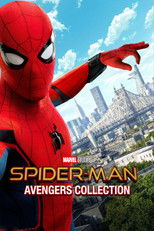
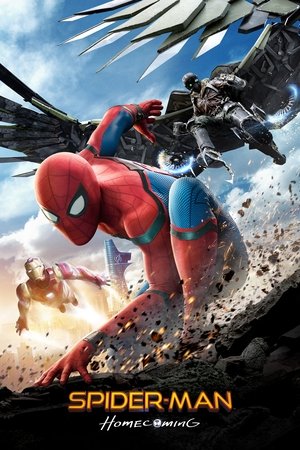
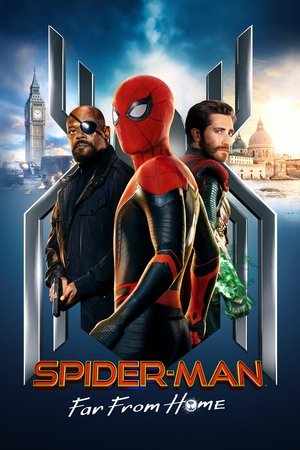
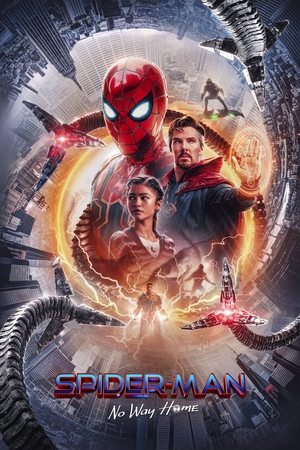
The Spider-Man (MCU) collection is a trilogy of superhero films centered on Peter Parker, a teenage superhero navigating the complexities of adolescence within the larger Marvel Cinematic Universe. Produced by Marvel Studios and distributed by Sony Pictures Releasing, the series marks the character's integration into the MCU following a landmark agreement between the two studios. The films follow Peter as he balances high school life with his secret identity, mentored by Tony Stark, and gradually confronts threats that escalate from local menaces to multiverse-shattering crises. This collection is defined by its coming-of-age narrative, blending the spectacle of superhero action with the relatable struggles of youth, friendship, and responsibility.
The trilogy explores Peter's evolution from an eager, inexperienced hero seeking approval to a self-reliant figure who understands the weight of his choices. Thematically, it grapples with identity, loss, and the consequences of living a double life, all while maintaining a light, humorous tone characteristic of the MCU's Spider-Man. The films are deeply interconnected with the broader MCU, with events from other films directly impacting Peter's journey, and his actions, in turn, sending ripples through the shared universe. This interconnectedness culminates in a narrative that not only honors the legacy of previous Spider-Man adaptations but also expands the possibilities of the character within a vast, interconnected superhero landscape.
Culturally, the collection has been a significant commercial and critical success, revitalizing the Spider-Man film brand for a new generation. It successfully reintroduced the character without retelling his origin story, instead focusing on his growth within an already established world of heroes. The trilogy's blend of high school comedy, heartfelt drama, and large-scale superhero action resonated with audiences, making it a standout within the MCU's sprawling narrative. Its impact is evident in its box office performance and its role in bridging different eras of Spider-Man cinema, creating a unique, celebratory event for fans.
The legacy of this collection lies in its innovative approach to a well-known character, proving that a fresh perspective can reinvigorate even the most familiar stories. By embedding Spider-Man firmly within the MCU, the trilogy allowed for character dynamics and plot developments impossible in a standalone series, while still delivering a deeply personal arc for Peter Parker. It stands as a testament to collaborative studio filmmaking and a defining chapter in the ongoing story of one of pop culture's most enduring heroes.