🎬 The Fantastic 4: First Steps (2025)
Part of Marvel Cinematic Universe (MCU)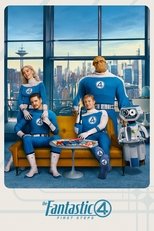
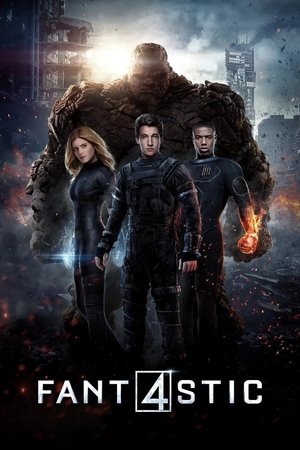
The Fantastic Four: First Steps is a 2025 superhero film that brings Marvel's First Family into the Marvel Cinematic Universe for the first time. Based on the iconic comic book series created by Stan Lee and Jack Kirby, which debuted in 1961, the film is the 37th installment in the MCU and the second reboot of the Fantastic Four film franchise after previous attempts by 20th Century Fox in 2005 and 2015. Directed by Matt Shakman, the film stars Pedro Pascal as Reed Richards/Mister Fantastic, Vanessa Kirby as Sue Storm/Invisible Woman, Ebon Moss-Bachrach as Ben Grimm/The Thing, and Joseph Quinn as Johnny Storm/Human Torch.
Set in a retro-futuristic version of the 1960s, the film takes a period-appropriate approach that distinguishes it from previous adaptations and the contemporary MCU timeline. The story pits the newly empowered team against one of Marvel's most formidable cosmic villains: Galactus, played by Ralph Ineson, a planet-devouring entity who first appeared in Fantastic Four #48 (1966) and has been a long-requested antagonist for the big screen. The 1960s setting evokes the era in which the original comics were created, paying homage to the space race optimism and mid-century design that influenced Lee and Kirby's groundbreaking work.
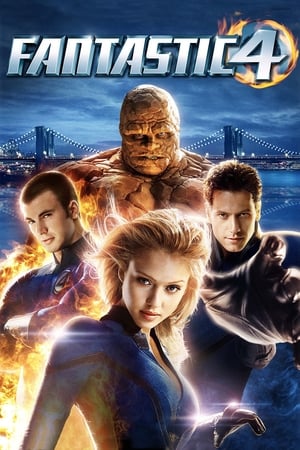
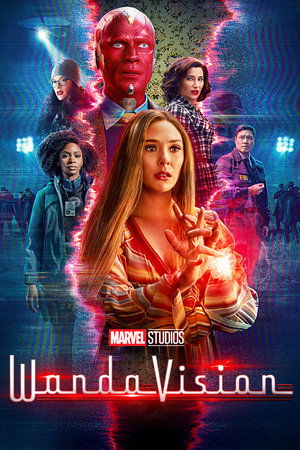
The journey to bring the Fantastic Four into the MCU has been long and complicated. After 20th Century Fox's 2015 reboot failed critically and commercially, the rights to the characters reverted to Marvel Studios following Disney's acquisition of Fox in 2019. The film was officially announced that year, with Jon Watts initially attached to direct before stepping down in 2022. Shakman, fresh from directing the acclaimed MCU series WandaVision, took over, bringing his experience blending period aesthetics with superhero spectacle. The screenplay went through multiple writers, with Josh Friedman, Eric Pearson, Jeff Kaplan, and Ian Springer all contributing.
The Fantastic Four hold a special place in comic book history as the team that launched the modern Marvel Universe. Their 1961 debut revolutionized superhero storytelling by depicting heroes with relatable human flaws and interpersonal conflicts, a stark contrast to the flawless paragons of earlier eras. First Steps represents not just another reboot, but the long-awaited integration of these foundational characters into the interconnected MCU, setting the stage for their role in future cosmic storylines.
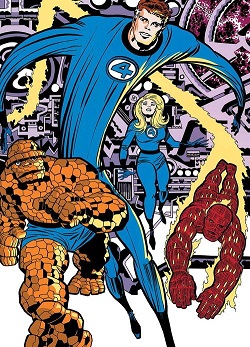
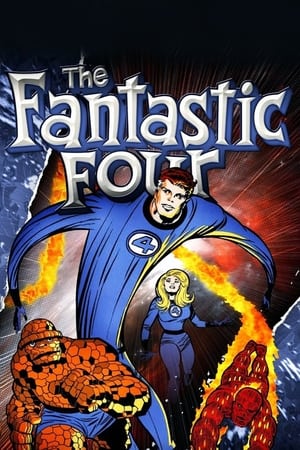
The Fantastic Four is a superhero team appearing in American comic books published by Marvel Comics. The team debuted in The Fantastic Four #1 (cover-dated November 1961), created by writer Stan Lee and artist Jack Kirby. The series was a cornerstone of the Marvel Universe and helped establish Marvel's rise as a major comic book publisher in the 1960s.
The team consists of four individuals who gain superpowers after exposure to cosmic rays during a scientific mission to outer space: Mister Fantastic (Reed Richards), a scientific genius who can stretch his body into incredible lengths and shapes; the Invisible Woman (Susan Storm), Reed's eventual wife, who can render herself invisible and project powerful force fields; the Human Torch (Johnny Storm), Sue's hotheaded younger brother, who can engulf his body in flames and fly; and the Thing (Ben Grimm), Reed's gruff but kind-hearted best friend, whose body is transformed into a super-strong, orange, rock-like creature.
Unlike traditional superhero teams of the era, the Fantastic Four were portrayed as a dysfunctional family who bickered, held grudges, and dealt with personal problems alongside their world-saving adventures. This grounded, character-driven approach was revolutionary for superhero comics and became a hallmark of Marvel's storytelling style. The series introduced many iconic Marvel characters and concepts, including the planet-devouring Galactus, the Silver Surfer, the Black Panther, the Inhumans, the Negative Zone, and the shape-shifting Skrulls.
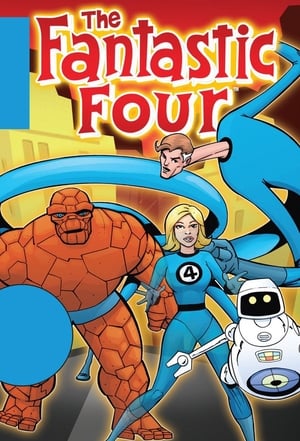
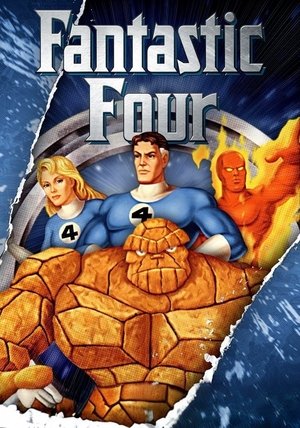
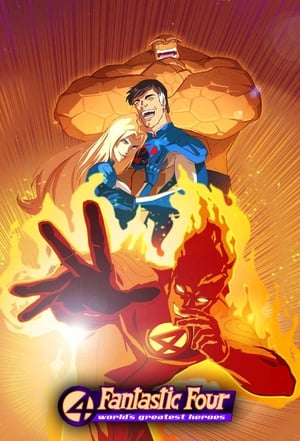
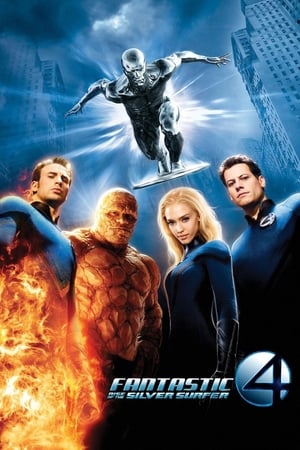
The Fantastic Four have been one of Marvel's most enduring and influential properties for over six decades. The comic has been adapted into numerous animated series, video games, and live-action films. The team's blend of cosmic exploration, family dynamics, and scientific wonder has made them a beloved fixture of popular culture, often referred to as 'Marvel's First Family.'
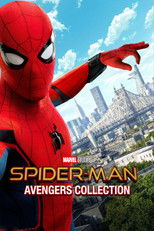
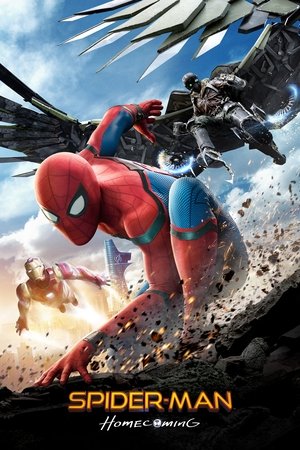
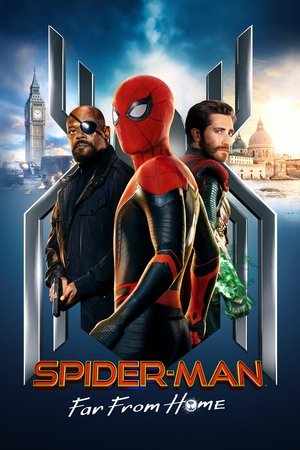
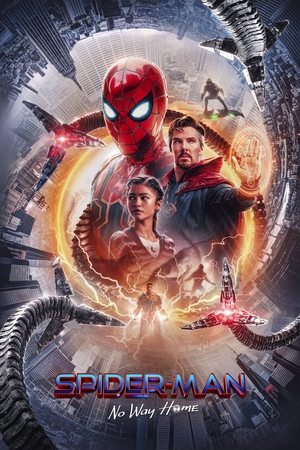
The Spider-Man (MCU) collection is a trilogy of superhero films centered on Peter Parker, a teenage superhero navigating the complexities of adolescence within the larger Marvel Cinematic Universe. Produced by Marvel Studios and distributed by Sony Pictures Releasing, the series marks the character's integration into the MCU following a landmark agreement between the two studios. The films follow Peter as he balances high school life with his secret identity, mentored by Tony Stark, and gradually confronts threats that escalate from local menaces to multiverse-shattering crises. This collection is defined by its coming-of-age narrative, blending the spectacle of superhero action with the relatable struggles of youth, friendship, and responsibility.
The trilogy explores Peter's evolution from an eager, inexperienced hero seeking approval to a self-reliant figure who understands the weight of his choices. Thematically, it grapples with identity, loss, and the consequences of living a double life, all while maintaining a light, humorous tone characteristic of the MCU's Spider-Man. The films are deeply interconnected with the broader MCU, with events from other films directly impacting Peter's journey, and his actions, in turn, sending ripples through the shared universe. This interconnectedness culminates in a narrative that not only honors the legacy of previous Spider-Man adaptations but also expands the possibilities of the character within a vast, interconnected superhero landscape.
Culturally, the collection has been a significant commercial and critical success, revitalizing the Spider-Man film brand for a new generation. It successfully reintroduced the character without retelling his origin story, instead focusing on his growth within an already established world of heroes. The trilogy's blend of high school comedy, heartfelt drama, and large-scale superhero action resonated with audiences, making it a standout within the MCU's sprawling narrative. Its impact is evident in its box office performance and its role in bridging different eras of Spider-Man cinema, creating a unique, celebratory event for fans.
The legacy of this collection lies in its innovative approach to a well-known character, proving that a fresh perspective can reinvigorate even the most familiar stories. By embedding Spider-Man firmly within the MCU, the trilogy allowed for character dynamics and plot developments impossible in a standalone series, while still delivering a deeply personal arc for Peter Parker. It stands as a testament to collaborative studio filmmaking and a defining chapter in the ongoing story of one of pop culture's most enduring heroes.