📺 Ms. Marvel (2022)
Part of Captain Marvel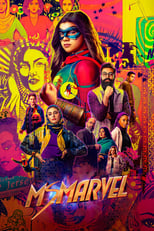
The Disney+ series Ms. Marvel brings one of Marvel Comics' most beloved modern heroes to the screen, adapting the story of Kamala Khan, the first Muslim character to headline her own comic book. Created by writer G. Willow Wilson and artist Adrian Alphona, Kamala debuted in 2013 and quickly became a fan-favorite for her relatable struggles as a Pakistani-American teenager navigating family, faith, and fandom in Jersey City. The series, developed by Bisha K. Ali, is the seventh Marvel Studios television show and is firmly set within the Marvel Cinematic Universe, continuing the franchise's expansion into more diverse and personal storytelling.
The adaptation makes a significant change to Kamala's origin story. In the comics, she is an Inhuman whose latent powers are activated by the Terrigen Mists, giving her polymorphic abilities that allow her to stretch, enlarge, and shrink her body. The series reimagines her powers as the ability to manipulate hard light, creating crystalline constructs, which ties her more closely to the cosmic and interdimensional lore of the MCU. Iman Vellani stars as Kamala in her acting debut, bringing an infectious energy and genuine fangirl enthusiasm that perfectly captures the spirit of the character. The show also incorporates distinctive visual flourishes, such as animated graffiti and text messages that float across the screen, to reflect Kamala's imaginative inner world.
Beyond the superhero action, Ms. Marvel is a vibrant celebration of South Asian culture and Muslim identity. The series delves deeply into the Partition of India, connecting Kamala's journey to her family's history in a way that adds emotional weight to the narrative. The cast includes a mix of established actors from Pakistani cinema, such as Fawad Khan and Mehwish Hayat, alongside newcomers, and the soundtrack features a blend of Western pop and South Asian music. The show was praised for its authentic representation and its focus on community, family, and the universal feeling of trying to figure out who you are, making it one of the most distinctive entries in the MCU.
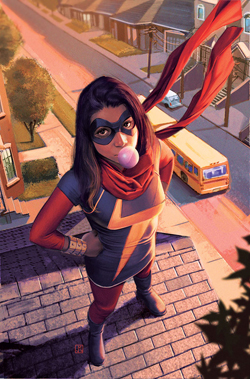
Ms. Marvel is a superhero comic book series published by Marvel Comics, featuring the character Kamala Khan, a Pakistani-American teenager from Jersey City. Created by editors Sana Amanat and Stephen Wacker, writer G. Willow Wilson, and artist Adrian Alphona, Kamala made her first appearance in a cameo in Captain Marvel #14 in August 2013 before headlining her own solo series, Ms. Marvel, which launched in February 2014. The character was conceived as a way to reflect the changing face of America and to bring a new, diverse perspective to the Marvel Universe.
Kamala Khan is a 16-year-old Muslim girl who discovers she has Inhuman genes after being exposed to the Terrigen Mists, granting her the ability to stretch, enlarge, and reshape her body. A massive fangirl of superheroes, particularly Carol Danvers (the original Ms. Marvel and then-Captain Marvel), Kamala takes up the mantle of Ms. Marvel and struggles to balance her newfound powers with the expectations of her conservative family, her faith, and the everyday challenges of high school. The series was praised for its authentic portrayal of a Muslim-American family and its exploration of identity, belonging, and the immigrant experience.
The comic was a critical and commercial success, winning a Hugo Award for Best Graphic Story in 2015 and earning widespread acclaim for its charming writing and expressive art. Kamala Khan quickly became one of Marvel's most popular new characters of the 21st century, joining the Avengers and appearing in numerous crossover events. Her creation marked a significant milestone in the push for greater representation in mainstream superhero comics, paving the way for her eventual introduction into the Marvel Cinematic Universe.
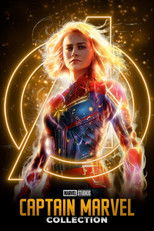
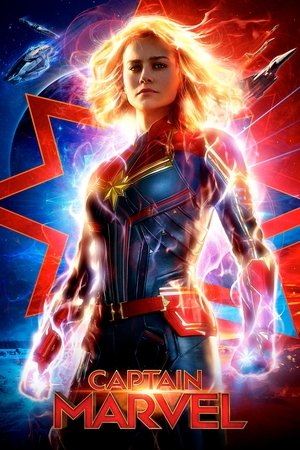
The Captain Marvel film series centers on Carol Danvers, a former U.S. Air Force pilot who becomes one of the most powerful heroes in the Marvel Cinematic Universe. The narrative explores her journey of self-discovery, as she reclaims her human identity after being manipulated into serving an alien empire. Themes of memory, identity, and empowerment are central to her story, which unfolds across cosmic and Earth-bound settings.
The series is notable for bringing the Marvel Cinematic Universe's first female-led solo film to the screen, marking a significant step in the franchise's expansion. It blends 1990s nostalgia with high-stakes interstellar conflict, introducing the shape-shifting Skrulls and the militaristic Kree into the broader narrative tapestry. The visual style combines grounded character moments with spectacular displays of cosmic power.
As a collection, these films contribute to the larger Marvel Cinematic Universe by establishing Captain Marvel as a pivotal force capable of shifting the balance of power in galactic conflicts. The character's immense abilities and her connections to both Earth and the wider cosmos position her as a bridge between terrestrial heroes and cosmic-level threats.
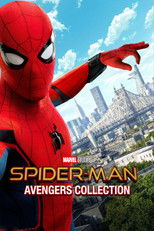
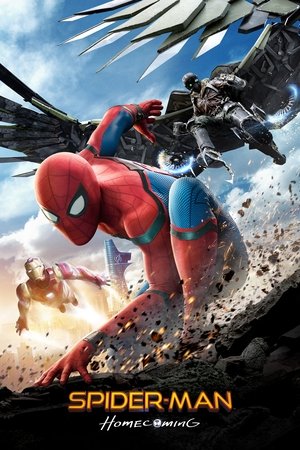
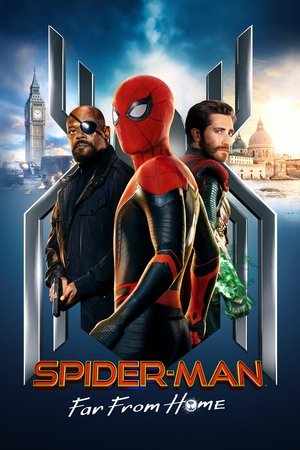
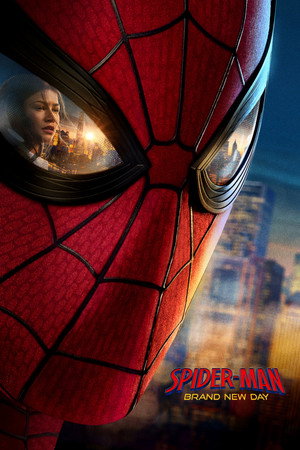
The Spider-Man (MCU) collection is a trilogy of superhero films centered on Peter Parker, a teenage superhero navigating the complexities of adolescence within the larger Marvel Cinematic Universe. Produced by Marvel Studios and distributed by Sony Pictures Releasing, the series marks the character's integration into the MCU following a landmark agreement between the two studios. The films follow Peter as he balances high school life with his secret identity, mentored by Tony Stark, and gradually confronts threats that escalate from local menaces to multiverse-shattering crises. This collection is defined by its coming-of-age narrative, blending the spectacle of superhero action with the relatable struggles of youth, friendship, and responsibility.
The trilogy explores Peter's evolution from an eager, inexperienced hero seeking approval to a self-reliant figure who understands the weight of his choices. Thematically, it grapples with identity, loss, and the consequences of living a double life, all while maintaining a light, humorous tone characteristic of the MCU's Spider-Man. The films are deeply interconnected with the broader MCU, with events from other films directly impacting Peter's journey, and his actions, in turn, sending ripples through the shared universe. This interconnectedness culminates in a narrative that not only honors the legacy of previous Spider-Man adaptations but also expands the possibilities of the character within a vast, interconnected superhero landscape.
Culturally, the collection has been a significant commercial and critical success, revitalizing the Spider-Man film brand for a new generation. It successfully reintroduced the character without retelling his origin story, instead focusing on his growth within an already established world of heroes. The trilogy's blend of high school comedy, heartfelt drama, and large-scale superhero action resonated with audiences, making it a standout within the MCU's sprawling narrative. Its impact is evident in its box office performance and its role in bridging different eras of Spider-Man cinema, creating a unique, celebratory event for fans.
The legacy of this collection lies in its innovative approach to a well-known character, proving that a fresh perspective can reinvigorate even the most familiar stories. By embedding Spider-Man firmly within the MCU, the trilogy allowed for character dynamics and plot developments impossible in a standalone series, while still delivering a deeply personal arc for Peter Parker. It stands as a testament to collaborative studio filmmaking and a defining chapter in the ongoing story of one of pop culture's most enduring heroes.