🎬 Deadpool 2 (2018)
Part of Deadpool
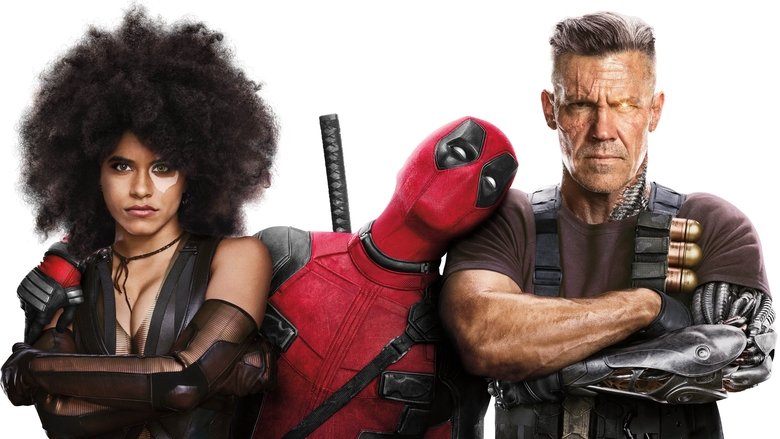
Deadpool 2 is the 2018 sequel to the wildly successful 2016 original, both drawing from the Marvel Comics character created by Fabian Nicieza and Rob Liefeld in 1991. While the first film focused on Wade Wilson's origin story and revenge quest, the sequel expands the scope by introducing the time-traveling mutant Cable and the formation of the X-Force team. The film continues the franchise's signature blend of ultraviolent action, meta-humor, and fourth-wall-breaking antics that made the character a cultural phenomenon.
The sequel underwent a notable creative shift when original director Tim Miller departed due to creative differences with star Ryan Reynolds, leading to David Leitch taking over directorial duties. Leitch, known for his work on John Wick and Atomic Blonde, brought a distinct action sensibility to the film. The casting of Josh Brolin as Cable was particularly significant, as Brolin was simultaneously playing Thanos in the Marvel Cinematic Universe, creating an amusing coincidence that the film itself acknowledged through Deadpool's trademark self-referential humor.
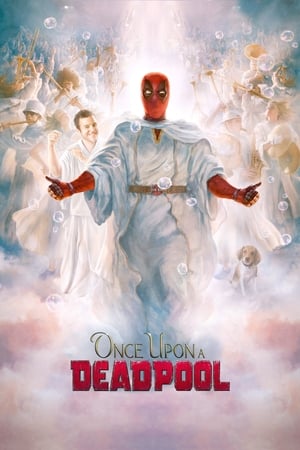
Deadpool 2 outperformed its predecessor at the box office, grossing over $785 million worldwide and briefly holding the record for the highest-grossing R-rated film of all time. The film also introduced Zazie Beetz as the luck-manipulating mutant Domino, whose powers were visualized through creative action sequences that became a highlight of the film. A PG-13 re-release titled Once Upon a Deadpool was released later in 2018, featuring new framing scenes with Fred Savage in a parody of The Princess Bride, demonstrating the franchise's willingness to experiment with format and audience reach.
As the eleventh installment in the larger X-Men film series and part of the Deadpool franchise, the sequel navigated the complex continuity of Fox's mutant universe while maintaining its own distinct identity. The film's success further cemented Deadpool as a standalone franchise capable of thriving outside traditional superhero movie conventions, paving the way for the character's eventual integration into the Marvel Cinematic Universe following Disney's acquisition of 20th Century Fox.
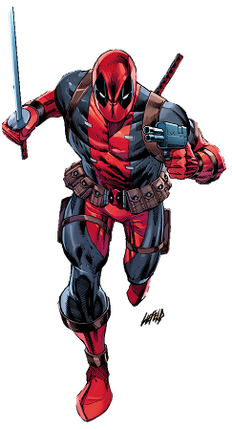
Deadpool is a fictional antihero appearing in American comic books published by Marvel Comics. Created by writer Fabian Nicieza and artist/writer Rob Liefeld, the character first appeared in The New Mutants #98 in February 1991. Initially introduced as a supervillain, Deadpool—whose real name is Wade Wilson—is a disfigured and mentally unstable mercenary with the superhuman ability of an accelerated healing factor, derived from the mutant Wolverine. Known as the "Merc with a Mouth," he is famous for his talkative nature, dark sense of humor, and his tendency to break the fourth wall, directly addressing the reader.
Over the years, Deadpool evolved from a villain into a more complex antihero, eventually starring in his own ongoing series. His comic book adventures are characterized by a unique blend of ultraviolence, slapstick comedy, and metafictional commentary, often parodying superhero tropes and the comic book industry itself. The character's popularity soared in the late 1990s and 2000s, leading to numerous solo series, miniseries, and appearances in team books like X-Force and Uncanny X-Force.
Deadpool's cultural significance lies in his subversion of the traditional superhero archetype. He is a self-aware, morally ambiguous character whose stories can range from absurdist comedy to surprisingly poignant explorations of trauma and identity. This distinctive voice and the character's dedicated fanbase have made him one of Marvel's most recognizable and commercially successful characters of the modern era.
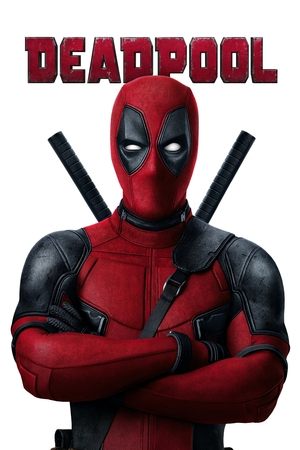
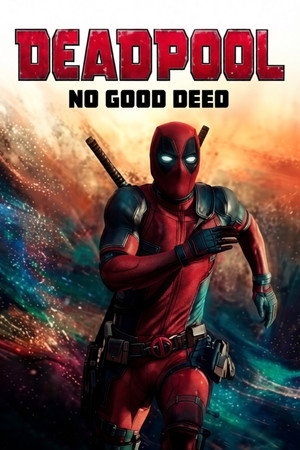
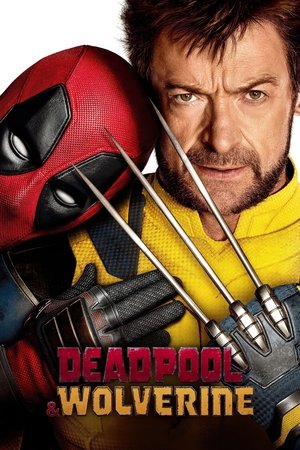
The Deadpool film series centers on the Marvel Comics character Wade Wilson, a wisecracking mercenary with accelerated healing powers who frequently breaks the fourth wall. Originating from a character created by Rob Liefeld and Fabian Nicieza, the series began after a long development process that included a poorly received incarnation in X-Men Origins: Wolverine. The standalone films were spearheaded by Ryan Reynolds, who championed a faithful, R-rated adaptation that embraced the character's signature blend of ultraviolence, irreverent humor, and self-aware commentary on superhero tropes. The series launched with Deadpool in 2016, a surprise critical and commercial hit that proved the viability of adult-oriented comic book movies, and continued with Deadpool 2 in 2018, which expanded the scope while introducing key allies like Cable and Domino. A holiday-themed recut, Once Upon a Deadpool, offered a PG-13 version of the sequel, while the short film Deadpool: No Good Deed served as a comedic bridge. The character was later integrated into the Marvel Cinematic Universe with Deadpool & Wolverine in 2024, marking a new phase that retained the series' mature tone within a larger shared universe. Across its entries, the series explores themes of identity, trauma, and found family, using its meta-humor to deconstruct not only superhero narratives but also the nature of franchise filmmaking itself. Its success reshaped industry perceptions of R-rated blockbusters and cemented Deadpool as a distinctive, enduring antihero in modern cinema.

The Wolverine collection is a trilogy of superhero films centered on the Marvel Comics character Wolverine, a mutant with a regenerative healing factor, adamantium-laced skeleton, and retractable claws. The collection explores the character's tortured past, his struggle with his own violent nature, and his search for meaning across different eras of his long life. Each entry functions as a standalone narrative, yet together they form a cohesive arc tracing Logan's journey from a weapon of war to a reluctant protector and, ultimately, a figure of sacrifice.
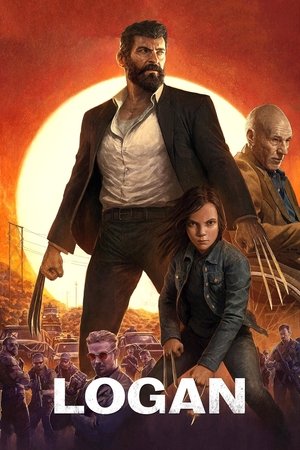
The collection begins with X-Men Origins: Wolverine, which delves into Logan's early life, his relationship with his brother Victor Creed, and his transformation through the Weapon X program. The Wolverine shifts the setting to Japan, where Logan confronts his mortality and the weight of his immortality, drawing inspiration from the celebrated comic book arc by Chris Claremont and Frank Miller. Logan concludes the trilogy with a somber, neo-Western tone, depicting an aged and weary Wolverine in a near-future setting where mutants are nearly extinct, as he undertakes one final, redemptive mission.
While the films are part of the broader X-Men film series, this trilogy stands apart for its focused character study and tonal consistency. The collection is notable for its evolution in style and maturity, moving from a conventional superhero origin to a gritty, R-rated character drama. Hugh Jackman's portrayal of Wolverine across these films is widely regarded as a defining performance in the genre, anchoring the collection's exploration of trauma, identity, and the cost of violence.