🎬 The Wolverine (2013)
Part of The Wolverine
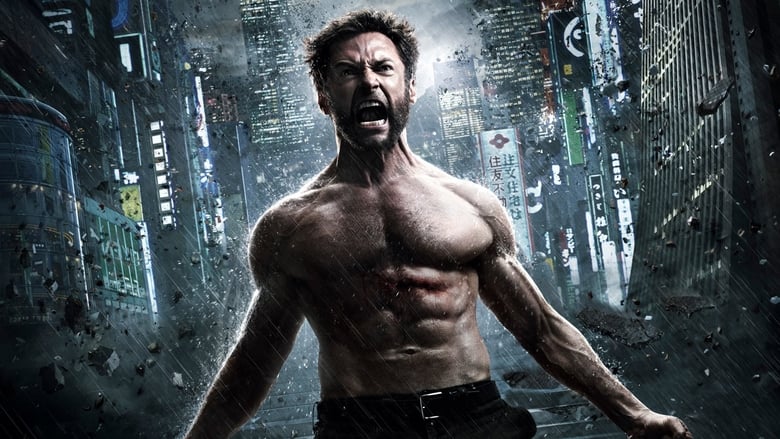
James Mangold’s The Wolverine marked a deliberate course correction for the character’s solo film adventures, stripping away the convoluted mythology of its predecessor to deliver a lean, character-driven story heavily inspired by Chris Claremont and Frank Miller’s seminal 1982 limited series. Rather than a direct panel-for-panel translation, the film borrows the comic’s core premise—a disgraced ronin-like Logan adrift in Japan—and its thematic backbone of honor, mortality, and forbidden love. The script transplants the yakuza and ninja-infused underworld into a modern context, replacing the comic’s central romance with Mariko Yashida by positioning her as the granddaughter of a man Logan saved at Nagasaki, a narrative invention that ties his past directly to the film’s present-day conflict.
Where the source material is a tight, noir-tinged character study, the film expands the scope into a globe-trotting action thriller while retaining the comic’s meditation on Logan’s death wish. The most significant deviation is the introduction of Viper and the Silver Samurai as a towering adamantium mech rather than a skilled mutant warrior, a change that proved divisive among purists but served the film’s exploration of Logan’s physical vulnerability. Stripped of his healing factor for much of the runtime, Hugh Jackman’s performance grounds the superhuman carnage in genuine peril, allowing the film to probe the psychological weight of his immortality in ways the comics had long explored but previous films had only glanced at.
The production itself weathered a near-fatal development cycle, with director Darren Aronofsky departing over relocation concerns before Mangold stepped in to reshape the project. The resulting film was praised for its unarmored cut’s harder edge and its respectful, if loose, fidelity to the spirit of the 1982 classic, particularly in its bullet train fight and the intimate character moments that echo Miller’s stark visual storytelling. While the third-act pivot into conventional superhero spectacle somewhat betrays the grounded tone, The Wolverine remains the most direct cinematic translation of the character’s defining solo story, proving that Logan’s best battles are often internal.

Wolverine is a comic book series published by Marvel Comics, starring the mutant superhero Wolverine. The character first appeared in The Incredible Hulk #180 in 1974, but his first solo title was a four-issue limited series written by Chris Claremont with art by Frank Miller, published in 1982. This landmark story took Wolverine to Japan, where he battled the yakuza and the Hand ninja clan, and fell in love with Mariko Yashida. The series was notable for its darker, more mature tone and its exploration of Wolverine's samurai-inspired code of honor.
Following the success of the limited series, an ongoing Wolverine series launched in 1988, written initially by Claremont with art by John Buscema. The ongoing series moved away from traditional superheroics, instead emphasizing high adventure and Wolverine's lone wolf nature. Over the decades, the character has headlined multiple volumes and one-shots, becoming one of Marvel's most popular and enduring icons. The 1982 limited series, in particular, is widely regarded as a classic that defined Wolverine's solo identity and inspired numerous adaptations.

Based on the iconic Marvel Comics character, this film series explores the life of a mutant with enhanced physical abilities, animal-like senses, and a powerful regenerative healing factor. The franchise was conceived to delve deeper into the complex backstory and personal struggles of one of the most popular figures in the superhero genre, expanding beyond team-based narratives to focus on a solitary, battle-hardened protagonist.
Central to the series is an exploration of immortality, trauma, and the search for redemption. The narrative arc frequently examines the psychological toll of outliving loved ones and the burden of a violent past. As the series progressed, it shifted from high-octane action spectacles to more grounded, character-driven stories that emphasized emotional vulnerability, moral ambiguity, and the consequences of a life spent in conflict.
The franchise played a pivotal role in establishing the modern superhero cinematic landscape, proving that standalone character studies could thrive within a larger shared universe. Its lead actor's decades-long commitment to the role created a rare continuity in film, allowing audiences to witness a gradual, realistic aging process that mirrored the character's internal journey. Ultimately, the series is celebrated for redefining the superhero genre by prioritizing human drama and legacy over conventional blockbuster formulas.

The Wolverine collection is a trilogy of superhero films centered on the Marvel Comics character Wolverine, a mutant with a regenerative healing factor, adamantium-laced skeleton, and retractable claws. The collection explores the character's tortured past, his struggle with his own violent nature, and his search for meaning across different eras of his long life. Each entry functions as a standalone narrative, yet together they form a cohesive arc tracing Logan's journey from a weapon of war to a reluctant protector and, ultimately, a figure of sacrifice.
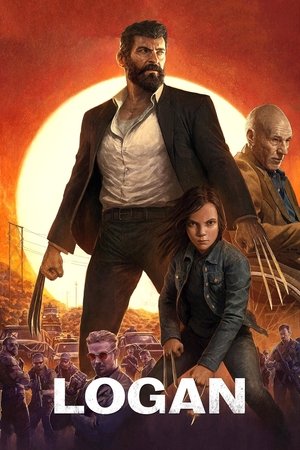
The collection begins with X-Men Origins: Wolverine, which delves into Logan's early life, his relationship with his brother Victor Creed, and his transformation through the Weapon X program. The Wolverine shifts the setting to Japan, where Logan confronts his mortality and the weight of his immortality, drawing inspiration from the celebrated comic book arc by Chris Claremont and Frank Miller. Logan concludes the trilogy with a somber, neo-Western tone, depicting an aged and weary Wolverine in a near-future setting where mutants are nearly extinct, as he undertakes one final, redemptive mission.
While the films are part of the broader X-Men film series, this trilogy stands apart for its focused character study and tonal consistency. The collection is notable for its evolution in style and maturity, moving from a conventional superhero origin to a gritty, R-rated character drama. Hugh Jackman's portrayal of Wolverine across these films is widely regarded as a defining performance in the genre, anchoring the collection's exploration of trauma, identity, and the cost of violence.