🎬 X-Men: First Class 35mm Special (2012)
Part of X-Men
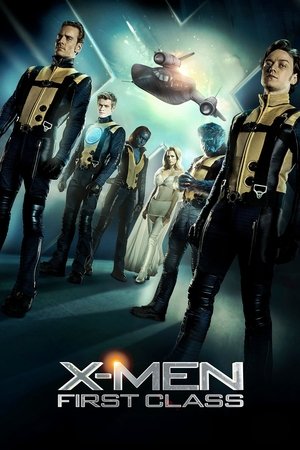
The "X-Men: First Class 35mm Special" is a fascinating anomaly in the world of superhero adaptations — a behind-the-scenes documentary that, despite its title, has absolutely nothing to do with the Generation X comic book series. Instead, this 2012 TV special serves as a compact, 23-minute love letter to Matthew Vaughn's 2011 prequel film "X-Men: First Class," produced by Sky Movies to promote the film's home video release. The special's title refers to the 35mm film format used to shoot the movie, not to any narrative connection with Marvel's teenage mutant team.
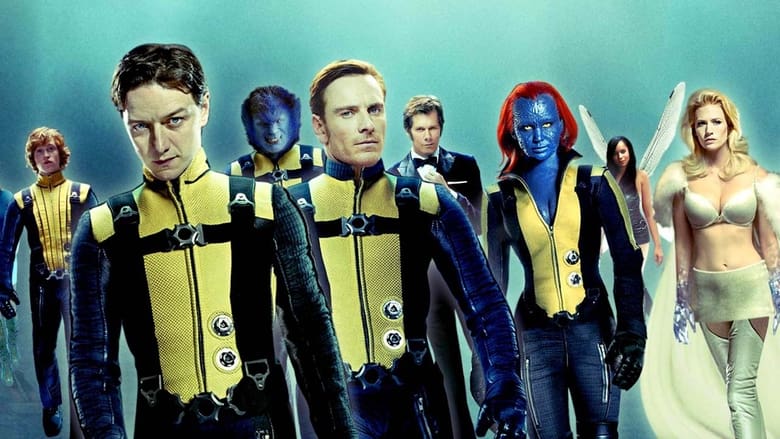
The documentary offers an intimate look at the creative decisions that shaped the 1960s-set reboot, featuring candid interviews with director Matthew Vaughn, screenwriter Jane Goldman, and the film's magnetic leads — James McAvoy and Michael Fassbender. What makes this special particularly delightful for fans is the palpable chemistry between the two stars, who were often interviewed while still in full costume and makeup, blurring the line between Charles Xavier and Erik Lehnsherr and the actors portraying them. Vaughn's energetic explanations of practical effects, submarine fight choreography, and the film's distinctive Bond-meets-mutant aesthetic reveal just how much of the period spy-thriller vibe came from production designer Chris Seagers' dedication to sourcing actual vintage furniture and set pieces.
While the Generation X comic introduced a new generation of mutants trained by Banshee and Emma Frost at the Massachusetts Academy, this documentary focuses on an entirely different era of the X-Men saga — the origin story of the Xavier-Magneto relationship against a Cold War backdrop. The special captures the controlled chaos of shooting on a tight budget and schedule, with Vaughn candidly discussing the logistical nightmares of certain sequences and the creative shortcuts that somehow elevated the final product. It's a brisk, entertaining watch that reveals how a film initially viewed as a risky prequel became one of the most critically acclaimed entries in the X-Men franchise.

Generation X is a fictional superhero team appearing in American comic books published by Marvel Comics. Created by writer Scott Lobdell and artist Chris Bachalo, the team was introduced as a spin-off of the X-Men franchise during the 1994 'Phalanx Covenant' crossover storyline. The team's self-titled monthly series launched with Generation X #1 in November 1994.
The concept was designed to reflect the cynicism and complexity of the series' namesake demographic — the so-called 'Generation X' of disaffected youth coming of age in the 1990s. Unlike previous young mutant teams such as the New Mutants, Generation X did not train at Xavier's School for Gifted Youngsters in upstate New York. Instead, they were based at the Massachusetts Academy in Berkshire County, mentored by the Irish X-Man Banshee (Sean Cassidy) and the reformed villain White Queen (Emma Frost).
The original core team consisted of teenage mutants including Chamber (Jonothon Starsmore), a British mutant whose energy blasts destroyed his lower face; Husk (Paige Guthrie), who could shed her skin to reveal different substances beneath; Synch (Everett Thomas), who could duplicate the powers of nearby mutants; Skin (Angelo Espinosa), who possessed six feet of extra elastic skin; M (Monet St. Croix), a superhumanly perfect telepath; Jubilee (Jubilation Lee), the spark-generating former X-Men sidekick; and the hulking, clay-like Mondo.
The series ran for 75 issues, ending in 2001, and was notable for its focus on teen drama, personal identity, and the struggle to control dangerous powers while navigating adolescence. It remains a beloved chapter in the X-Men mythos, remembered for its distinctive 1990s aesthetic and for elevating Emma Frost from villain to complex mentor figure.

The Wolverine collection is a trilogy of superhero films centered on the Marvel Comics character Wolverine, a mutant with a regenerative healing factor, adamantium-laced skeleton, and retractable claws. The collection explores the character's tortured past, his struggle with his own violent nature, and his search for meaning across different eras of his long life. Each entry functions as a standalone narrative, yet together they form a cohesive arc tracing Logan's journey from a weapon of war to a reluctant protector and, ultimately, a figure of sacrifice.
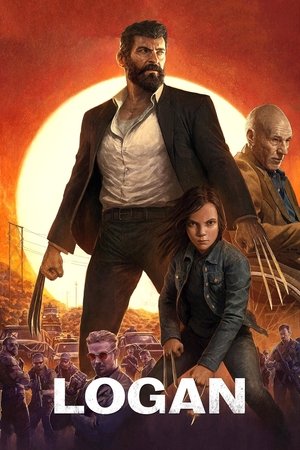
The collection begins with X-Men Origins: Wolverine, which delves into Logan's early life, his relationship with his brother Victor Creed, and his transformation through the Weapon X program. The Wolverine shifts the setting to Japan, where Logan confronts his mortality and the weight of his immortality, drawing inspiration from the celebrated comic book arc by Chris Claremont and Frank Miller. Logan concludes the trilogy with a somber, neo-Western tone, depicting an aged and weary Wolverine in a near-future setting where mutants are nearly extinct, as he undertakes one final, redemptive mission.
While the films are part of the broader X-Men film series, this trilogy stands apart for its focused character study and tonal consistency. The collection is notable for its evolution in style and maturity, moving from a conventional superhero origin to a gritty, R-rated character drama. Hugh Jackman's portrayal of Wolverine across these films is widely regarded as a defining performance in the genre, anchoring the collection's exploration of trauma, identity, and the cost of violence.