🎬 X-Men: First Class (2011)
Part of X-Men
X-Men: First Class arrived in 2011 as a much-needed creative jolt for a franchise that had stumbled with X-Men: The Last Stand and X-Men Origins: Wolverine. Director Matthew Vaughn, working from a script he co-wrote with Jane Goldman and others, took the bold step of transporting the mutant saga back to 1962, weaving the origin of the X-Men into the real-world tension of the Cuban Missile Crisis. The result was a film that felt less like a conventional superhero prequel and more like a stylish Cold War espionage thriller, drawing deliberate inspiration from the Sean Connery era of James Bond films.
The film's greatest strength lies in its central relationship between James McAvoy's charming, idealistic Charles Xavier and Michael Fassbender's intense, haunted Erik Lehnsherr. Their bond forms the emotional core of the story, and the tragedy of their inevitable falling out gives the film a bittersweet weight rare in the genre. While the film borrows its title from the 2006 comic series by Jeff Parker and Roger Cruz, it charts its own course entirely, assembling a largely different roster of young mutants than the source material and crafting an original story around Sebastian Shaw and the Hellfire Club as the primary antagonists.
Notable changes from the comics include the reimagining of Mystique as Xavier's adopted sister, raised alongside him in his childhood home, and the decision to make Hank McCoy's transformation into the Beast occur onscreen during the events of the film. The period setting allowed for clever touches like Emma Frost's diamond form fitting the era's glamorous aesthetic and a memorable cameo that ties back to the original X-Men film trilogy. Kevin Bacon's Sebastian Shaw serves as a charismatic villain whose mutant ability to absorb and redirect energy makes him a formidable physical threat, though some fans noted the character bore only passing resemblance to his comic book counterpart.
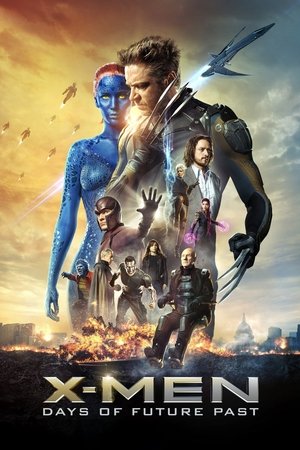
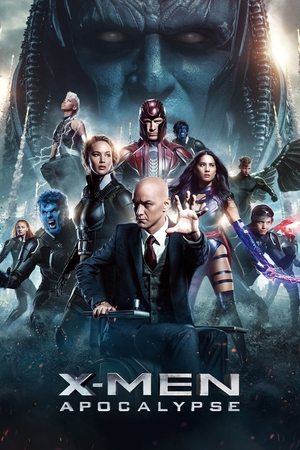
Critics and audiences responded warmly to the film's fresh tone, strong performances, and confident direction, with many considering it the best X-Men film since X2. While its box office performance was modest by franchise standards, the film successfully relaunched the series and launched what would become a new quadrilogy of prequel films. Vaughn's kinetic visual style and the chemistry between McAvoy and Fassbender established a foundation that would carry the franchise forward through Days of Future Past, Apocalypse, and Dark Phoenix.

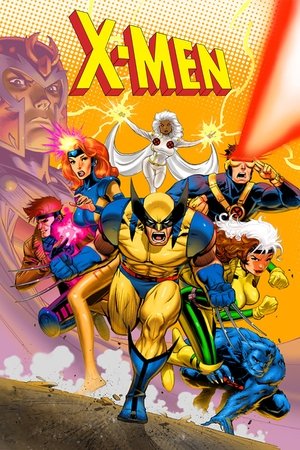
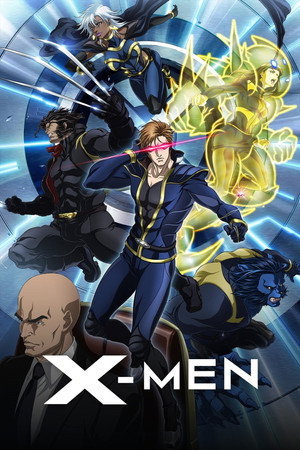
The X-Men are a team of superheroes appearing in American comic books published by Marvel Comics. Created by writer Stan Lee and artist Jack Kirby, they first appeared in The X-Men #1 in September 1963. The series introduces mutants, a subspecies of humans born with superhuman abilities activated at puberty, and explores themes of prejudice, discrimination, and social justice as the team fights for peaceful coexistence between mutants and humans.
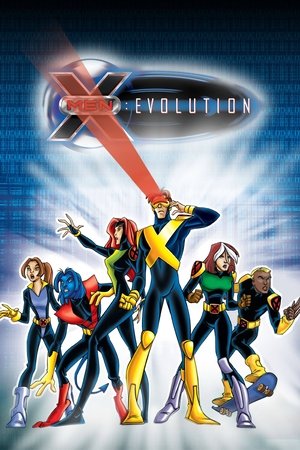
Led by the powerful telepath Professor Charles Xavier, the X-Men operate out of his School for Gifted Youngsters in Westchester, New York. The team's roster has included iconic characters such as Cyclops, Jean Grey, Wolverine, Storm, Rogue, and Beast. Their primary adversary and occasional ally is Magneto, a mutant supremacist and former friend of Xavier, who believes mutants should rule over humanity.
After initial cancellation in 1970, the series was revived in 1975 under writer Chris Claremont, whose influential 16-year run transformed the X-Men into one of Marvel's most popular and commercially successful franchises. The series became known for its diverse international cast, complex character relationships, and allegorical storytelling addressing real-world issues of racism, homophobia, and other forms of bigotry. The X-Men franchise has since expanded into numerous spin-off titles, including New Mutants, X-Force, and Excalibur, and has become a cornerstone of Marvel's publishing line.

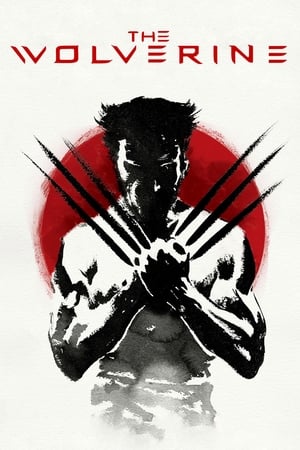
The Wolverine collection is a trilogy of superhero films centered on the Marvel Comics character Wolverine, a mutant with a regenerative healing factor, adamantium-laced skeleton, and retractable claws. The collection explores the character's tortured past, his struggle with his own violent nature, and his search for meaning across different eras of his long life. Each entry functions as a standalone narrative, yet together they form a cohesive arc tracing Logan's journey from a weapon of war to a reluctant protector and, ultimately, a figure of sacrifice.
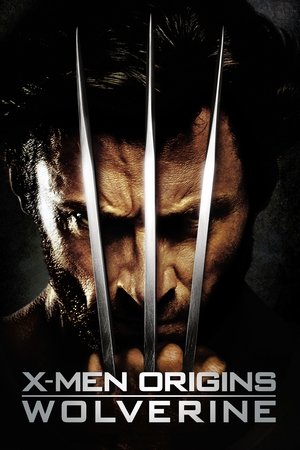
The collection begins with X-Men Origins: Wolverine, which delves into Logan's early life, his relationship with his brother Victor Creed, and his transformation through the Weapon X program. The Wolverine shifts the setting to Japan, where Logan confronts his mortality and the weight of his immortality, drawing inspiration from the celebrated comic book arc by Chris Claremont and Frank Miller. Logan concludes the trilogy with a somber, neo-Western tone, depicting an aged and weary Wolverine in a near-future setting where mutants are nearly extinct, as he undertakes one final, redemptive mission.
While the films are part of the broader X-Men film series, this trilogy stands apart for its focused character study and tonal consistency. The collection is notable for its evolution in style and maturity, moving from a conventional superhero origin to a gritty, R-rated character drama. Hugh Jackman's portrayal of Wolverine across these films is widely regarded as a defining performance in the genre, anchoring the collection's exploration of trauma, identity, and the cost of violence.