📺 Wolverine and the X-Men (2009)
Based on comic
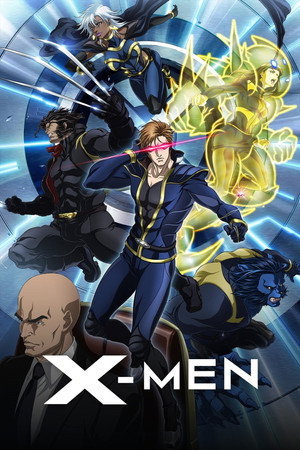
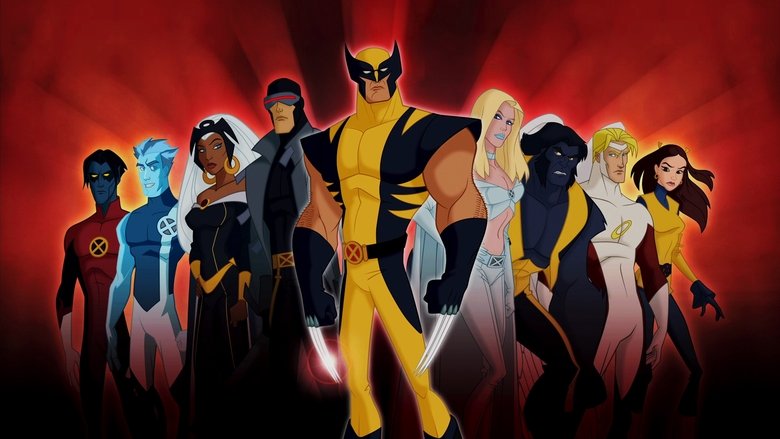
When "Wolverine and the X-Men" premiered in 2009, it didn't just offer another Saturday morning cartoon; it flipped the classic X-Men dynamic on its head by placing the team's most feral, lone-wolf member at the helm. The series opens in the smoldering aftermath of a mysterious explosion at the X-Mansion that seemingly claims the lives of Jean Grey and a comatose Charles Xavier. A year later, a guilt-ridden and reluctant Logan is convinced by Beast to drag the fractured team back together, not out of a sense of noble duty, but sheer necessity. This narrative gambit immediately distinguishes the show from its predecessors, trading Professor X's paternalistic dream for Wolverine's gruff, pragmatic, and often impatient leadership style.
The series masterfully weaves a complex, serialized plot centered on a dystopian future. While Logan struggles to manage a team that includes a frosty Emma Frost, a disillusioned Cyclops, and a roster of junior mutants, Professor Xavier awakens on the island nation of Genosha under the care of a seemingly benevolent Magneto. Xavier's consciousness, however, is stuck twenty years ahead, communicating with future versions of the X-Men who are fighting a desperate war in a Sentinel-ravaged wasteland. This dual-timeline structure allows the show to adapt the spirit of classic Chris Claremont arcs like "Days of Future Past" without being a direct translation, creating a fresh mystery where present-day actions are constantly being guided by a catastrophic tomorrow that must be prevented.
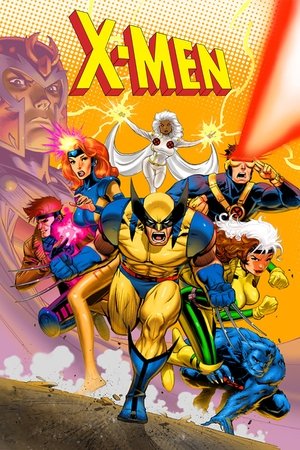
Visually sleek and tonally more mature than the 1990s animated series, the show made bold character choices that sparked intense fan discussion. The most controversial was the handling of Cyclops, who, consumed by grief over Jean's loss, abandons the team and spirals into depression, leaving Wolverine to not only lead but also develop a complicated, psychic-heavy partnership with Emma Frost. This dynamic drew heavily from the then-contemporary Astonishing X-Men comics. The series also expanded the mutant world significantly, giving substantial screen time to lesser-known characters like Dust, Domino, and the Morlocks, while positioning the Mutant Response Division (MRD) as a constant, government-sanctioned threat that kept the team on the run.
Despite critical acclaim for its ambitious storytelling and a cliffhanger finale that teased the Age of Apocalypse, "Wolverine and the X-Men" was tragically cut short after a single 26-episode season due to financial and legal complications within Marvel's animation division. Its legacy, however, is that of a cult classic that dared to deconstruct the X-Men's foundational leadership model. By forcing a man built for solo missions to become a teacher and strategist, the series explored the burden of legacy in a way no other adaptation had, proving that sometimes the best person to lead a team is the one who wants the job the least.

The X-Men are a team of superheroes appearing in American comic books published by Marvel Comics. Created by writer Stan Lee and artist Jack Kirby, they first appeared in The X-Men #1 in September 1963. The series introduces mutants, a subspecies of humans born with superhuman abilities activated at puberty, and explores themes of prejudice, discrimination, and social justice as the team fights for peaceful coexistence between mutants and humans.
Led by the powerful telepath Professor Charles Xavier, the X-Men operate out of his School for Gifted Youngsters in Westchester, New York. The team's roster has included iconic characters such as Cyclops, Jean Grey, Wolverine, Storm, Rogue, and Beast. Their primary adversary and occasional ally is Magneto, a mutant supremacist and former friend of Xavier, who believes mutants should rule over humanity.
After initial cancellation in 1970, the series was revived in 1975 under writer Chris Claremont, whose influential 16-year run transformed the X-Men into one of Marvel's most popular and commercially successful franchises. The series became known for its diverse international cast, complex character relationships, and allegorical storytelling addressing real-world issues of racism, homophobia, and other forms of bigotry. The X-Men franchise has since expanded into numerous spin-off titles, including New Mutants, X-Force, and Excalibur, and has become a cornerstone of Marvel's publishing line.