📺 X-Men (2011)
Part of Marvel Anime
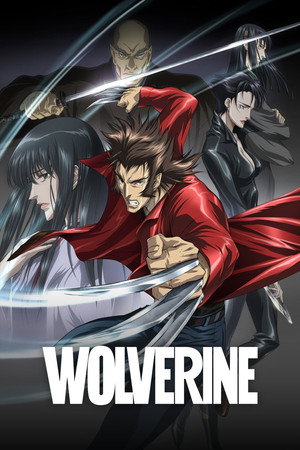
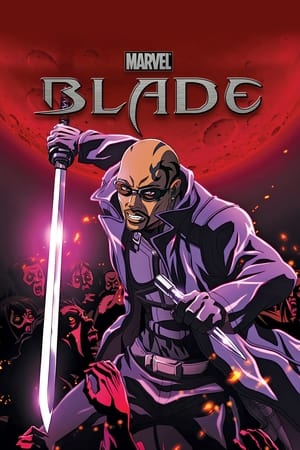
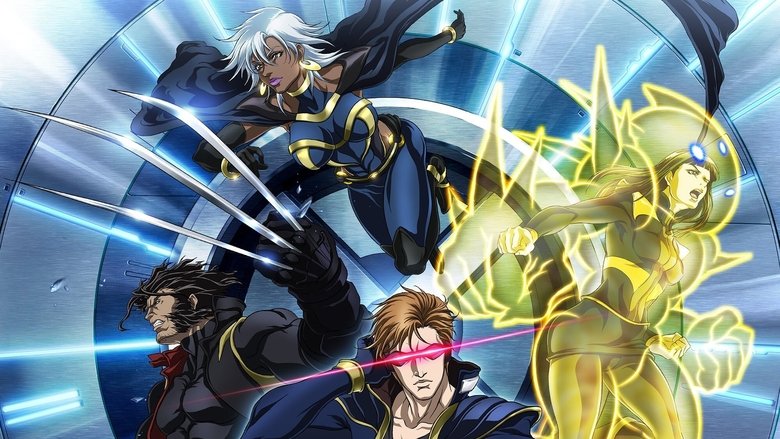
The 2011 anime series 'X-Men' is a Japanese-produced adaptation of the iconic Marvel Comics superhero team, created by Stan Lee and Jack Kirby in 1963. This 12-episode series was produced by Madhouse and directed by Fuminori Kizaki, forming part of the 'Marvel Anime' project alongside 'Iron Man', 'Wolverine', and 'Blade' — a collaboration between Marvel Entertainment and the Japanese animation studio to reimagine classic Marvel heroes through an anime lens.
Set after the death of Jean Grey, the story follows the X-Men as they travel to Japan to investigate the disappearance of a young mutant girl named Hisako Ichiki. The investigation leads them to the U-Men, a cult-like group that harvests mutant organs, and the mysterious Inner Circle led by a powerful psychic. The series blends classic X-Men themes of persecution and identity with distinctly Japanese settings and storytelling sensibilities, featuring a core team of Cyclops, Wolverine, Storm, Beast, and Emma Frost.
While the series draws its characters and core mythology from the decades-long comic book continuity, it tells an original story rather than directly adapting any single comic storyline. The anime format allowed for fluid, dynamic action sequences that suit the mutant powers well, though the series received mixed reactions from fans — praised for its visual style and action but noted for its condensed storytelling and departure from traditional X-Men lore. It stands as an interesting cross-cultural experiment in bringing American superheroes into the Japanese animation tradition.

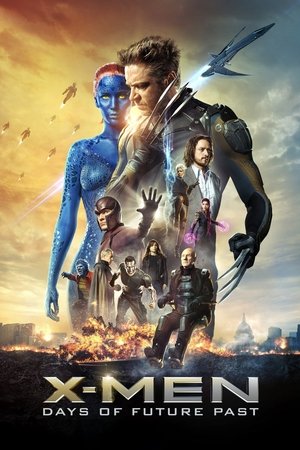
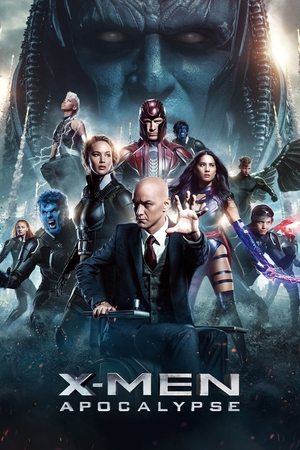
The X-Men are a team of superheroes appearing in American comic books published by Marvel Comics. Created by writer Stan Lee and artist Jack Kirby, they first appeared in The X-Men #1 in September 1963. The series introduces mutants, a subspecies of humans born with superhuman abilities activated at puberty, and explores themes of prejudice, discrimination, and social justice as the team fights for peaceful coexistence between mutants and humans.
Led by the powerful telepath Professor Charles Xavier, the X-Men operate out of his School for Gifted Youngsters in Westchester, New York. The team's roster has included iconic characters such as Cyclops, Jean Grey, Wolverine, Storm, Rogue, and Beast. Their primary adversary and occasional ally is Magneto, a mutant supremacist and former friend of Xavier, who believes mutants should rule over humanity.
After initial cancellation in 1970, the series was revived in 1975 under writer Chris Claremont, whose influential 16-year run transformed the X-Men into one of Marvel's most popular and commercially successful franchises. The series became known for its diverse international cast, complex character relationships, and allegorical storytelling addressing real-world issues of racism, homophobia, and other forms of bigotry. The X-Men franchise has since expanded into numerous spin-off titles, including New Mutants, X-Force, and Excalibur, and has become a cornerstone of Marvel's publishing line.

The Marvel Anime Collection represents a bold and visually striking chapter in Marvel’s global storytelling initiative, uniting the kinetic energy of Japanese animation with the mythic grandeur of American superhero lore. Launched in the early 2010s as part of a landmark collaboration between Marvel Entertainment and the renowned studio Madhouse, the initial four-part series reimagined marquee characters through a distinctly Eastern lens. These adaptations transported iconic heroes like Tony Stark and Logan out of their familiar urban backdrops and into Japan, filtering their existential struggles through the stylistic hallmarks of anime—exaggerated action, dramatic character arcs, and a sleek, modern aesthetic. Rather than direct translations of Western comics, these stories function as original, self-contained narratives that prioritize mood, internal conflict, and high-octane spectacle, effectively functioning as a cultural bridge between two powerhouse storytelling traditions.
Beyond the initial Madhouse projects, the collection expands into wider experiments that blend Eastern and Western sensibilities for a younger generation. The narrative scope shifts from gritty, solitary character studies to ensemble-driven adventures in series like *Marvel Disk Wars: The Avengers*, where the heroes are trapped in high-tech disks, and the futuristic academy setting of *Marvel Future Avengers*. These entries lean heavily into the tropes of "shonen" and "tokusatsu" genres, emphasizing mentorship, teamwork, and coming-of-age drama, while still featuring a sprawling cast that includes deep cuts from Marvel’s roster. This evolution within the collection showcases a fascinating versatility, proving that the core essence of these superheroes—their sense of responsibility, their fight against oppression, and their complex identities—can thrive just as vibrantly in the hyper-stylized framework of anime as in live-action cinema.
Collectively, the Marvel Anime Collection stands as a significant, cult-classic artifact of creative cross-pollination that predates the later mainstream dominance of multiversal crossovers. It captures a specific moment where Marvel actively sought to break free from the visual language of traditional Saturday morning cartoons, entrusting Japanese creators to reinterpret their pantheon with artistic fidelity rather than simple localization. The result is a cohesive yet diverse library of animation that feels distinct from any other Marvel media, marked by fluid fight choreography, a darker tonal palette in its early entries, and a willingness to redesign classic costumes with a futuristic, anime flair. For audiences, this collection offers a compelling "what-if" vision of the Marvel Universe, one where the pathos of a wandering samurai merges seamlessly with the burden of a man trapped in a suit of armor.