📺 Wolverine (2011)
Part of Marvel Anime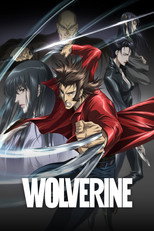
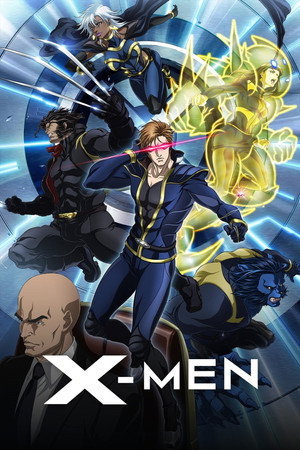
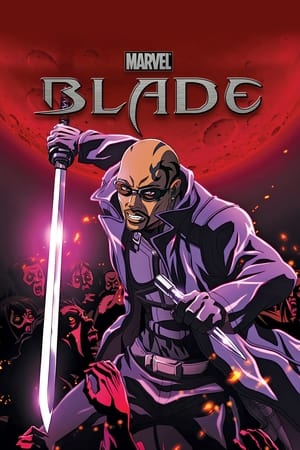
The 2011 anime series "Wolverine" is a 12-episode Japanese production created by Madhouse as part of the Marvel Anime project, a collaboration between Marvel Entertainment and the acclaimed animation studio. This series, along with "Iron Man," "X-Men," and "Blade," formed a four-show anthology that reimagined classic Marvel heroes through the lens of Japanese storytelling and animation aesthetics. Directed by Hiroshi Aoyama with character designs by Hisashi Abe, the series was overseen by writer Warren Ellis, who crafted the overarching narrative for the entire Marvel Anime line.
The series draws its core inspiration from the original Marvel Comics character created by Len Wein, John Romita Sr., and Herb Trimpe, who first appeared in "The Incredible Hulk" #180 in 1974. The anime takes the iconic clawed mutant Logan and transplants him into a distinctly Japanese setting. The story follows Wolverine as he travels to Japan to rescue his lost love, Mariko Yashida, who has been taken by her father, the criminal warlord Shingen Yashida. This plot loosely adapts elements from the celebrated 1982 "Wolverine" limited series by Chris Claremont and Frank Miller, which first explored Logan's deep connections to Japanese culture, honor codes, and the Yashida clan.
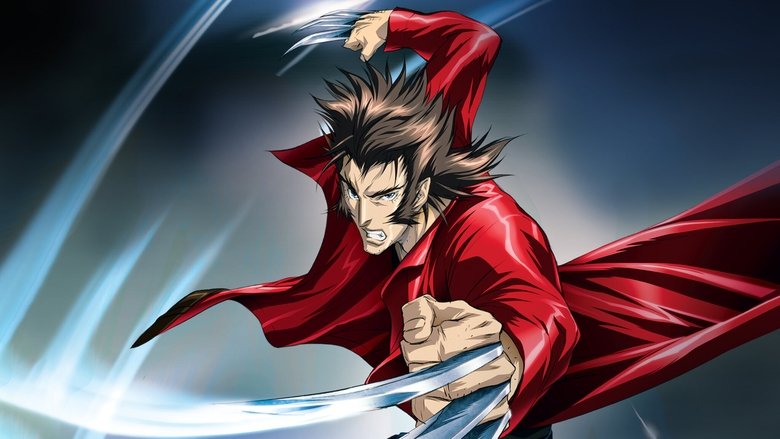
Visually, the series blends Madhouse's signature fluid action sequences with character designs that honor the classic Wolverine look while giving it an anime sensibility. Logan sports his traditional wild hair and mutton chops, but the animation style and fight choreography are unmistakably Japanese, featuring katana duels, yakuza intrigue, and a rogue's gallery that includes both familiar Marvel villains and new antagonists created for the show. The English dub features the voice of Milo Ventimiglia as Wolverine, bringing a gruff, world-weary tone to the character.
"Wolverine" stands as a fascinating cultural crossover, one of the earliest attempts to fully merge American superhero mythology with Japanese anime production values. While it received mixed reviews for its pacing and deviations from comic canon, it remains a notable experiment in the globalization of the Marvel brand, predating the later wave of Marvel anime projects and demonstrating the character's universal appeal across different storytelling traditions.

Wolverine is a fictional superhero appearing in American comic books published by Marvel Comics. The character was created by writer Len Wein and Marvel art director John Romita Sr., who designed the character's iconic costume, with artist Herb Trimpe providing the first interior artwork. Wolverine made his debut in the final panel of "The Incredible Hulk" #180, dated October 1974, and had his first full appearance in the following issue.
Born James Howlett in late 19th-century Canada, Wolverine is a mutant possessing animal-keen senses, enhanced physical capabilities, a powerful regenerative healing factor, and three retractable bone claws on each hand. His skeleton was later bonded with the indestructible fictional metal adamantium during the Weapon X program, a traumatic event that erased much of his memory and turned him into a living weapon. The character is defined by his gruff, loner personality, a fierce sense of honor, and a berserker rage that makes him one of Marvel's most dangerous fighters.
Wolverine quickly became one of the most popular and commercially successful Marvel characters. After his introduction, he joined the X-Men in 1975 as part of the team's international relaunch in "Giant-Size X-Men" #1, written by Wein and drawn by Dave Cockrum. His mysterious past, antihero attitude, and complex moral code set the template for a new generation of comic book protagonists, moving away from the clean-cut heroes of earlier decades.
Over the decades, Wolverine has starred in multiple solo comic series, one-shots, and graphic novels, including the landmark 1982 limited series by Chris Claremont and Frank Miller that solidified his samurai-inspired ethos. He has been a core member of numerous Marvel teams including the X-Men, X-Force, and the Avengers, and his popularity has extended far beyond comics into animation, video games, and a massively successful film franchise.

The Marvel Anime Collection represents a bold and visually striking chapter in Marvel’s global storytelling initiative, uniting the kinetic energy of Japanese animation with the mythic grandeur of American superhero lore. Launched in the early 2010s as part of a landmark collaboration between Marvel Entertainment and the renowned studio Madhouse, the initial four-part series reimagined marquee characters through a distinctly Eastern lens. These adaptations transported iconic heroes like Tony Stark and Logan out of their familiar urban backdrops and into Japan, filtering their existential struggles through the stylistic hallmarks of anime—exaggerated action, dramatic character arcs, and a sleek, modern aesthetic. Rather than direct translations of Western comics, these stories function as original, self-contained narratives that prioritize mood, internal conflict, and high-octane spectacle, effectively functioning as a cultural bridge between two powerhouse storytelling traditions.
Beyond the initial Madhouse projects, the collection expands into wider experiments that blend Eastern and Western sensibilities for a younger generation. The narrative scope shifts from gritty, solitary character studies to ensemble-driven adventures in series like *Marvel Disk Wars: The Avengers*, where the heroes are trapped in high-tech disks, and the futuristic academy setting of *Marvel Future Avengers*. These entries lean heavily into the tropes of "shonen" and "tokusatsu" genres, emphasizing mentorship, teamwork, and coming-of-age drama, while still featuring a sprawling cast that includes deep cuts from Marvel’s roster. This evolution within the collection showcases a fascinating versatility, proving that the core essence of these superheroes—their sense of responsibility, their fight against oppression, and their complex identities—can thrive just as vibrantly in the hyper-stylized framework of anime as in live-action cinema.
Collectively, the Marvel Anime Collection stands as a significant, cult-classic artifact of creative cross-pollination that predates the later mainstream dominance of multiversal crossovers. It captures a specific moment where Marvel actively sought to break free from the visual language of traditional Saturday morning cartoons, entrusting Japanese creators to reinterpret their pantheon with artistic fidelity rather than simple localization. The result is a cohesive yet diverse library of animation that feels distinct from any other Marvel media, marked by fluid fight choreography, a darker tonal palette in its early entries, and a willingness to redesign classic costumes with a futuristic, anime flair. For audiences, this collection offers a compelling "what-if" vision of the Marvel Universe, one where the pathos of a wandering samurai merges seamlessly with the burden of a man trapped in a suit of armor.