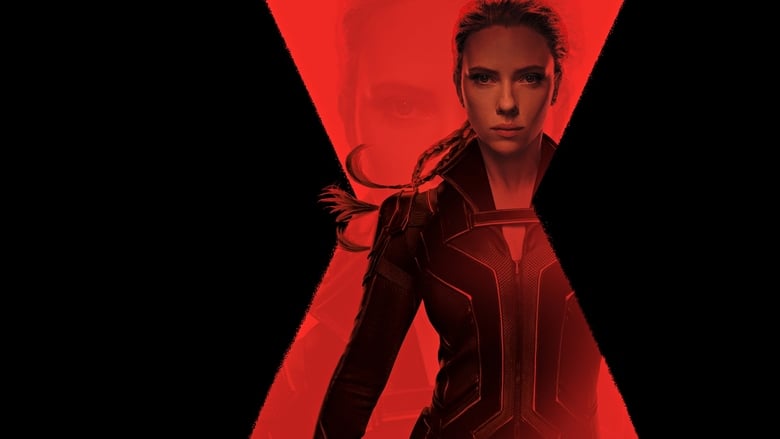
🎬 Black Widow (2021)
Part of Marvel Cinematic Universe (MCU)
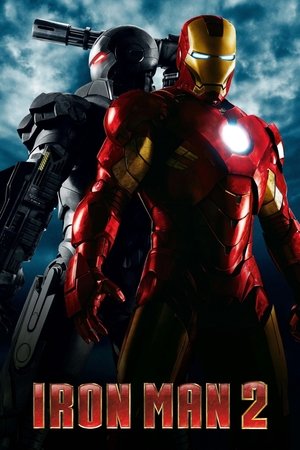
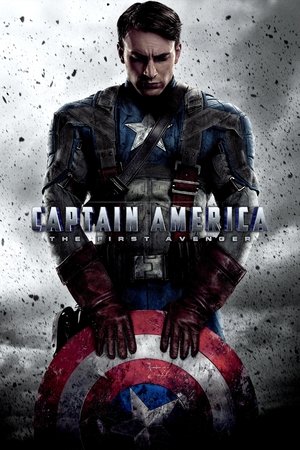
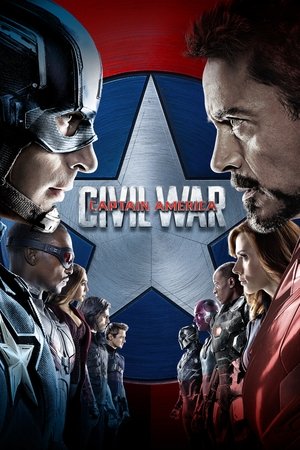
Marvel Studios' 'Black Widow' (2021) finally gave Scarlett Johansson's Natasha Romanoff the solo spotlight she had deserved since her debut in 'Iron Man 2' (2010). Directed by Cate Shortland, the film is a prequel set primarily between the events of 'Captain America: Civil War' (2016) and 'Avengers: Infinity War' (2018), exploring the character's unresolved past and the 'red in her ledger.' The story catches up with Romanoff on the run, forcing her to confront a conspiracy tied to the Red Room—the brutal Soviet training program that created her—alongside her estranged spy family: Yelena Belova, Alexei Shostakov (the Red Guardian), and Melina Vostokoff.
The film adapts the Marvel Comics character created by Stan Lee, Don Rico, and Don Heck, who first appeared in 'Tales of Suspense' #52 in 1964. While the movie draws on the character's comic book history—particularly her Red Room training and her complicated relationship with the Winter Soldier—it carves out its own narrative. The introduction of Florence Pugh as Yelena Belova, a character who took up the Black Widow mantle in the comics, was widely praised and set up a passing of the torch within the Marvel Cinematic Universe. David Harbour's Red Guardian and Rachel Weisz's Melina added a dysfunctional family dynamic that grounded the espionage action in genuine emotional stakes.
As the 24th film in the Marvel Cinematic Universe, 'Black Widow' was a long-awaited entry that faced multiple delays due to the COVID-19 pandemic before its simultaneous theatrical and Disney+ Premier Access release in July 2021. The film's action sequences leaned heavily into practical, gritty hand-to-hand combat reminiscent of the 'Bourne' series, a departure from the cosmic scale of the concurrent MCU Phase Four. It also served as a narrative bridge, introducing characters and plot threads that would continue in the Disney+ series 'Hawkeye' and the film 'Thunderbolts*'.

Black Widow is a fictional superhero appearing in American comic books published by Marvel Comics. Created by editor and plotter Stan Lee, scripter Don Rico, and artist Don Heck, the character first appeared in Tales of Suspense #52 in April 1964. The character was introduced as a Russian spy and antagonist of Iron Man, but she eventually defected to the United States and became an agent of S.H.I.E.L.D. and a member of the Avengers.
Her real name is Natalia Alianovna Romanova, though she is commonly known as Natasha Romanoff. Trained from childhood in the Red Room, a secret Soviet training facility, she became an expert martial artist, marksman, and weapons specialist. She was also subjected to a variant of the Super-Soldier Serum, which granted her enhanced physical capabilities and slowed her aging. Over the decades, the character evolved from a femme fatale into a complex hero grappling with her dark past.
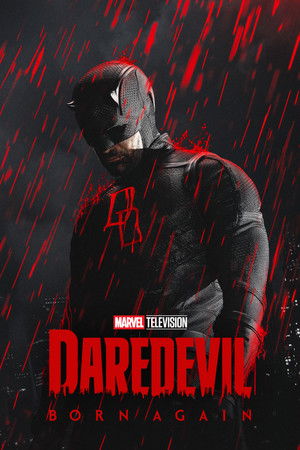
Black Widow has been a central figure in many major Marvel storylines, often working alongside Daredevil, the Avengers, and the Winter Soldier. Her solo comic book series have explored her espionage background and her quest for redemption. The character is celebrated as one of Marvel's most prominent female superheroes and a symbol of transformation and moral complexity.
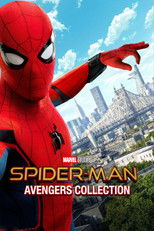
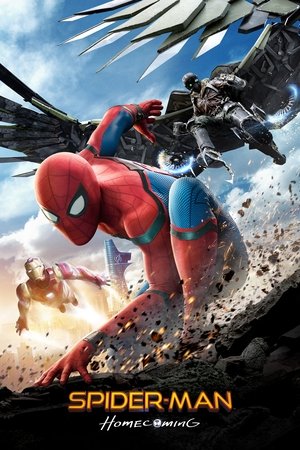
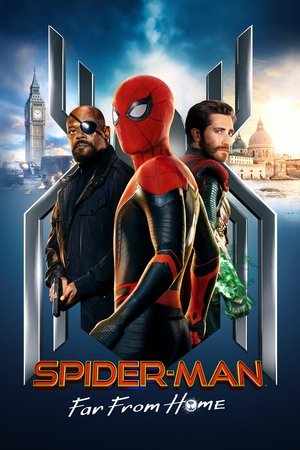
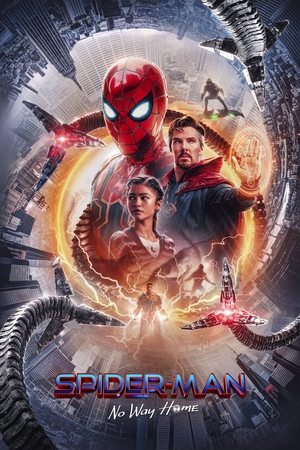
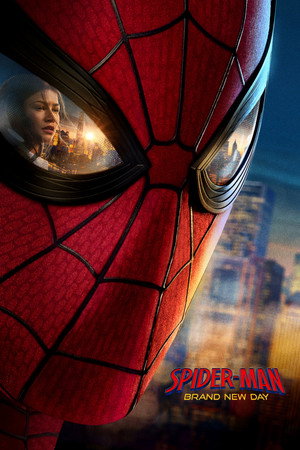
The Spider-Man (MCU) collection is a trilogy of superhero films centered on Peter Parker, a teenage superhero navigating the complexities of adolescence within the larger Marvel Cinematic Universe. Produced by Marvel Studios and distributed by Sony Pictures Releasing, the series marks the character's integration into the MCU following a landmark agreement between the two studios. The films follow Peter as he balances high school life with his secret identity, mentored by Tony Stark, and gradually confronts threats that escalate from local menaces to multiverse-shattering crises. This collection is defined by its coming-of-age narrative, blending the spectacle of superhero action with the relatable struggles of youth, friendship, and responsibility.
The trilogy explores Peter's evolution from an eager, inexperienced hero seeking approval to a self-reliant figure who understands the weight of his choices. Thematically, it grapples with identity, loss, and the consequences of living a double life, all while maintaining a light, humorous tone characteristic of the MCU's Spider-Man. The films are deeply interconnected with the broader MCU, with events from other films directly impacting Peter's journey, and his actions, in turn, sending ripples through the shared universe. This interconnectedness culminates in a narrative that not only honors the legacy of previous Spider-Man adaptations but also expands the possibilities of the character within a vast, interconnected superhero landscape.
Culturally, the collection has been a significant commercial and critical success, revitalizing the Spider-Man film brand for a new generation. It successfully reintroduced the character without retelling his origin story, instead focusing on his growth within an already established world of heroes. The trilogy's blend of high school comedy, heartfelt drama, and large-scale superhero action resonated with audiences, making it a standout within the MCU's sprawling narrative. Its impact is evident in its box office performance and its role in bridging different eras of Spider-Man cinema, creating a unique, celebratory event for fans.
The legacy of this collection lies in its innovative approach to a well-known character, proving that a fresh perspective can reinvigorate even the most familiar stories. By embedding Spider-Man firmly within the MCU, the trilogy allowed for character dynamics and plot developments impossible in a standalone series, while still delivering a deeply personal arc for Peter Parker. It stands as a testament to collaborative studio filmmaking and a defining chapter in the ongoing story of one of pop culture's most enduring heroes.