🎬 Marvel One-Shot: Agent Carter (2013)
Part of Marvel Cinematic Universe (MCU)
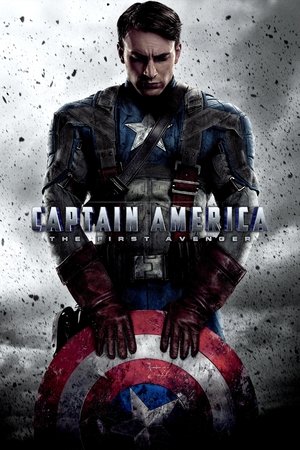
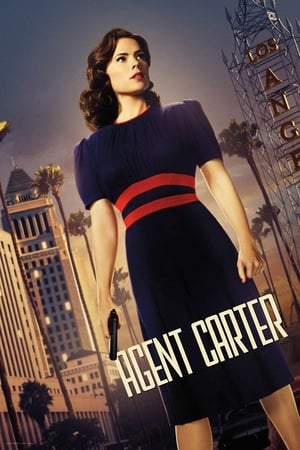
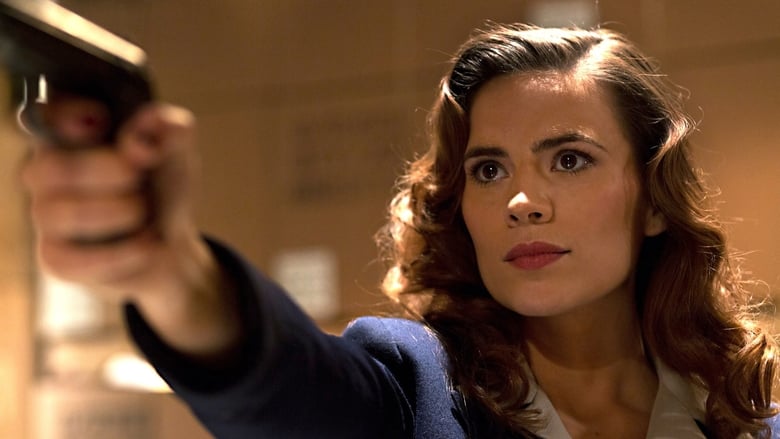
Marvel One-Shot: Agent Carter is a 2013 direct-to-video short film produced by Marvel Studios, part of their series of Marvel One-Shots set within the Marvel Cinematic Universe. Directed by Louis D'Esposito and written by Eric Pearson, the short stars Hayley Atwell reprising her role as Peggy Carter from Captain America: The First Avenger. Set one year after the events of that film, the story follows Carter as she faces sexism in her post-war job at the Strategic Scientific Reserve (SSR) and embarks on an unauthorized solo mission to retrieve the mysterious Zodiac serum.
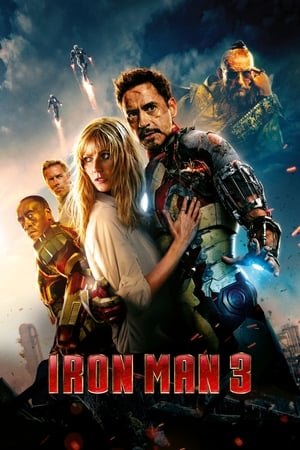
The character of Peggy Carter was created by Stan Lee and Jack Kirby and first appeared in Tales of Suspense #75 in 1966. In the comics, she was a wartime love interest for Captain America, but the MCU expanded her role significantly, portraying her as a skilled agent and co-founder of S.H.I.E.L.D. The One-Shot was included as a bonus feature on the Blu-ray release of Iron Man 3 and was well-received by fans and critics, earning a Golden Reel Award for its sound editing.
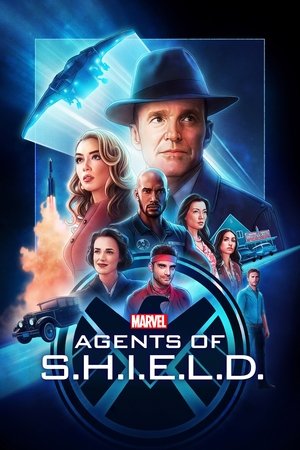
The short's success led directly to the development of the television series Agent Carter, which aired on ABC from 2015 to 2016, with Hayley Atwell returning in the title role. The series further explored Carter's adventures in the late 1940s, bridging the gap between the war and the formation of S.H.I.E.L.D. The One-Shot remains a notable example of Marvel's transmedia storytelling, using a short film to test audience interest and expand the narrative universe.
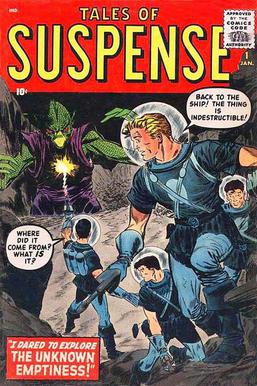
Tales of Suspense was an American comic book anthology series published by Marvel Comics from 1959 to 1968. The series initially featured science fiction and monster stories, but later became a showcase for superhero characters, most notably Iron Man and Captain America. Issue #75, published in 1966, featured a Captain America story set during World War II, in which a young woman named Peggy Carter was introduced as a resistance fighter and love interest for Steve Rogers. Created by writer Stan Lee and artist Jack Kirby, Peggy Carter was a brave and resourceful character who aided Captain America in his missions. Although she appeared only sporadically in comics for decades, the character gained renewed prominence in the 21st century, becoming a fan-favorite and inspiring expanded roles in other media.
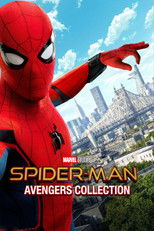
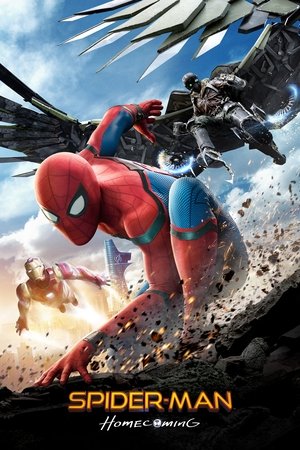
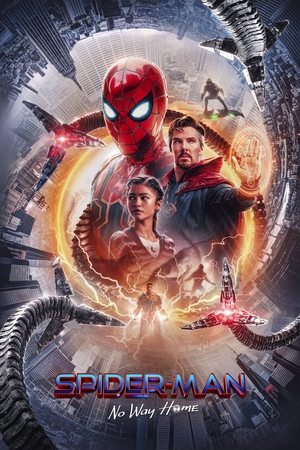
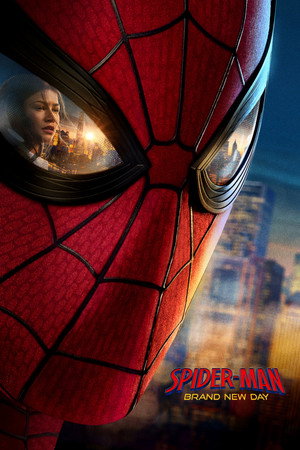
The Spider-Man (MCU) collection is a trilogy of superhero films centered on Peter Parker, a teenage superhero navigating the complexities of adolescence within the larger Marvel Cinematic Universe. Produced by Marvel Studios and distributed by Sony Pictures Releasing, the series marks the character's integration into the MCU following a landmark agreement between the two studios. The films follow Peter as he balances high school life with his secret identity, mentored by Tony Stark, and gradually confronts threats that escalate from local menaces to multiverse-shattering crises. This collection is defined by its coming-of-age narrative, blending the spectacle of superhero action with the relatable struggles of youth, friendship, and responsibility.
The trilogy explores Peter's evolution from an eager, inexperienced hero seeking approval to a self-reliant figure who understands the weight of his choices. Thematically, it grapples with identity, loss, and the consequences of living a double life, all while maintaining a light, humorous tone characteristic of the MCU's Spider-Man. The films are deeply interconnected with the broader MCU, with events from other films directly impacting Peter's journey, and his actions, in turn, sending ripples through the shared universe. This interconnectedness culminates in a narrative that not only honors the legacy of previous Spider-Man adaptations but also expands the possibilities of the character within a vast, interconnected superhero landscape.
Culturally, the collection has been a significant commercial and critical success, revitalizing the Spider-Man film brand for a new generation. It successfully reintroduced the character without retelling his origin story, instead focusing on his growth within an already established world of heroes. The trilogy's blend of high school comedy, heartfelt drama, and large-scale superhero action resonated with audiences, making it a standout within the MCU's sprawling narrative. Its impact is evident in its box office performance and its role in bridging different eras of Spider-Man cinema, creating a unique, celebratory event for fans.
The legacy of this collection lies in its innovative approach to a well-known character, proving that a fresh perspective can reinvigorate even the most familiar stories. By embedding Spider-Man firmly within the MCU, the trilogy allowed for character dynamics and plot developments impossible in a standalone series, while still delivering a deeply personal arc for Peter Parker. It stands as a testament to collaborative studio filmmaking and a defining chapter in the ongoing story of one of pop culture's most enduring heroes.