🎬 Thor (2011)
Part of Marvel Cinematic Universe (MCU)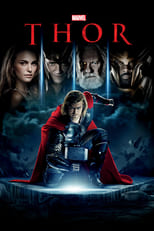
Kenneth Branagh's 2011 film "Thor" boldly brought the Norse god of thunder to the Marvel Cinematic Universe, taking a surprisingly Shakespearean approach to the cosmic superhero mythos. Rather than a straightforward action spectacle, Branagh infused the story with familial drama, betrayal, and themes of worthiness—echoing the character's comic book origins while grounding the fantastical elements in emotional stakes. The film opens with a sweeping prologue on Asgard, a gleaming realm that feels lifted from a Renaissance painting, before Thor's arrogance leads to his banishment to Earth, stripped of his powers and his hammer Mjolnir. This fish-out-of-water premise allows for both humor and heart as the god learns humility from mortal astrophysicist Jane Foster (Natalie Portman) and her team.
The casting was a masterstroke: Chris Hemsworth embodies Thor's journey from brash prince to worthy hero with charisma and physicality, while Tom Hiddleston's Loki emerges as a tragic, scene-stealing antagonist whose jealousy and identity crisis add layers of complexity. Anthony Hopkins brings gravitas as Odin, and the supporting cast—including Stellan Skarsgård, Kat Dennings, and Idris Elba—enriches the world. The film's visual effects, particularly the design of Asgard and the Destroyer armor, were praised for their epic scale, though some critics found the Earth-bound scenes less compelling. Notably, the film was shot in New Mexico to evoke the comic's original setting of Broxton, Oklahoma, and Branagh's background in Shakespearean theater influenced the dialogue's rhythm and the family dynamics at its core.
"Thor" was a critical and commercial success, grossing over $449 million worldwide and solidifying the MCU's ability to handle cosmic and mythological material. It set up key threads for future films, including the Tesseract and Loki's schemes, which would pay off in "The Avengers" (2012). While later Thor films would lean into comedy and retro-futurism, this first outing remains a earnest, operatic origin story that respects its source material while carving its own cinematic identity. The film's exploration of what it means to be worthy—both of a hammer and of redemption—resonates beyond the superhero genre, making it a standout in the MCU's early phase.

Thor is a superhero appearing in American comic books published by Marvel Comics. Created by writer Stan Lee, scripter Larry Lieber, and artist Jack Kirby, the character first appeared in Journey into Mystery #83 in August 1962. The character is based on the Norse mythological god of the same name, the Asgardian god of thunder whose enchanted hammer Mjolnir grants him the ability to fly and manipulate weather, among other superhuman attributes.
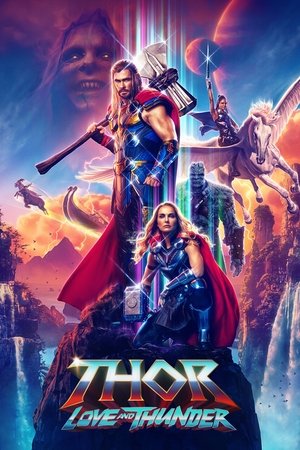
Debuting in the Silver Age of Comic Books, Thor became a founding member of the superhero team the Avengers and has starred in several ongoing series and limited series. Over the decades, the mantle of Thor has been taken up by other characters, most notably Jane Foster, who wielded Mjolnir and became the Mighty Thor during a critically acclaimed run by writer Jason Aaron in the 2010s. Aaron's run also introduced the villain Gorr the God Butcher, a being driven to slaughter gods across the universe after the death of his family.
Thor has become one of Marvel's most enduring and popular characters, appearing in animated television series, video games, and a major film franchise. The comics blend cosmic mythology with superhero action, exploring themes of worthiness, duty, and the intersection of ancient gods with the modern world.
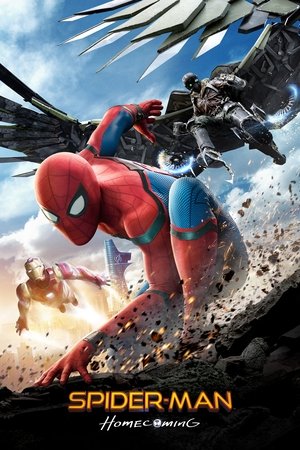
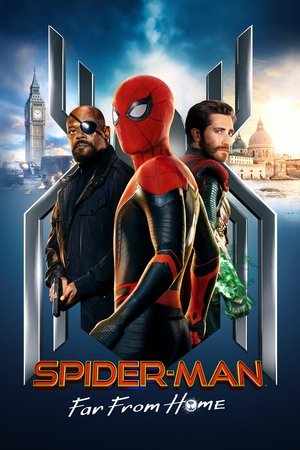
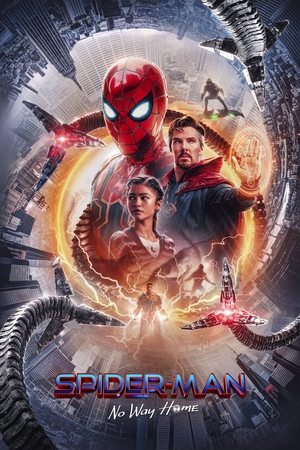
The Spider-Man (MCU) collection is a trilogy of superhero films centered on Peter Parker, a teenage superhero navigating the complexities of adolescence within the larger Marvel Cinematic Universe. Produced by Marvel Studios and distributed by Sony Pictures Releasing, the series marks the character's integration into the MCU following a landmark agreement between the two studios. The films follow Peter as he balances high school life with his secret identity, mentored by Tony Stark, and gradually confronts threats that escalate from local menaces to multiverse-shattering crises. This collection is defined by its coming-of-age narrative, blending the spectacle of superhero action with the relatable struggles of youth, friendship, and responsibility.
The trilogy explores Peter's evolution from an eager, inexperienced hero seeking approval to a self-reliant figure who understands the weight of his choices. Thematically, it grapples with identity, loss, and the consequences of living a double life, all while maintaining a light, humorous tone characteristic of the MCU's Spider-Man. The films are deeply interconnected with the broader MCU, with events from other films directly impacting Peter's journey, and his actions, in turn, sending ripples through the shared universe. This interconnectedness culminates in a narrative that not only honors the legacy of previous Spider-Man adaptations but also expands the possibilities of the character within a vast, interconnected superhero landscape.
Culturally, the collection has been a significant commercial and critical success, revitalizing the Spider-Man film brand for a new generation. It successfully reintroduced the character without retelling his origin story, instead focusing on his growth within an already established world of heroes. The trilogy's blend of high school comedy, heartfelt drama, and large-scale superhero action resonated with audiences, making it a standout within the MCU's sprawling narrative. Its impact is evident in its box office performance and its role in bridging different eras of Spider-Man cinema, creating a unique, celebratory event for fans.
The legacy of this collection lies in its innovative approach to a well-known character, proving that a fresh perspective can reinvigorate even the most familiar stories. By embedding Spider-Man firmly within the MCU, the trilogy allowed for character dynamics and plot developments impossible in a standalone series, while still delivering a deeply personal arc for Peter Parker. It stands as a testament to collaborative studio filmmaking and a defining chapter in the ongoing story of one of pop culture's most enduring heroes.
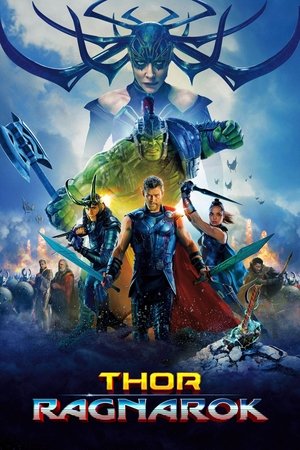
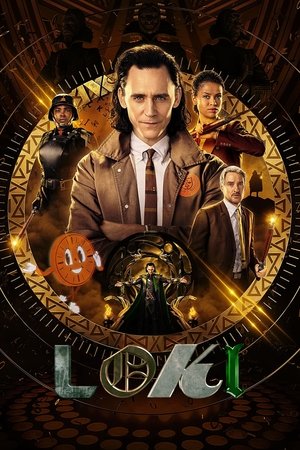
The Thor film series is a collection of superhero films within the Marvel Cinematic Universe, centered on the Asgardian god of thunder. Originating with the 2011 film, the series follows Thor's journey from a brash warrior to a wise and compassionate leader, exploring themes of worthiness, loss, and identity. The narrative spans cosmic realms, from the majestic Asgard to the chaotic planet Sakaar, blending mythological grandeur with science fiction elements. The series is notable for its evolving tone, shifting from Shakespearean drama and epic fantasy to a vibrant, comedic space opera under the direction of Taika Waititi. This reinvention revitalized the character and expanded the cosmic side of the larger cinematic universe. The collection also includes the television series 'Loki', which directly branches from Thor's story, exploring alternate timelines and the multiverse, further enriching the thematic tapestry of identity and destiny.