📺 Echo (2024)
Part of Marvel Cinematic Universe (MCU)
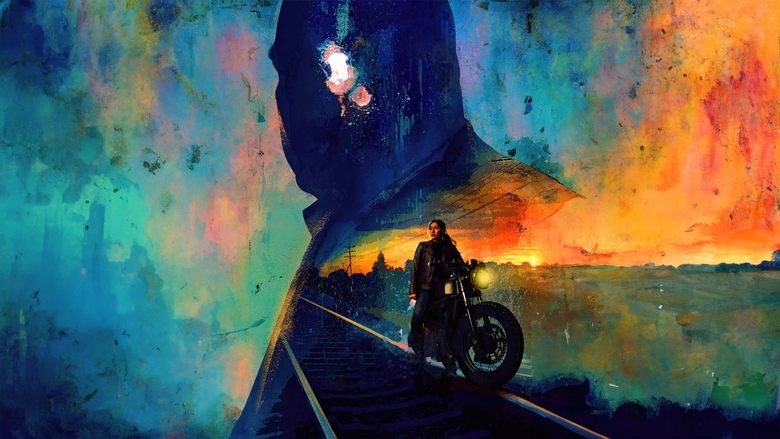
The 2024 Disney+ miniseries 'Echo' brings the Marvel Comics character Maya Lopez into the spotlight as the first Marvel Studios series to debut under the 'Marvel Spotlight' banner, a label for character-driven, grounded stories that don't require extensive knowledge of the wider Marvel Cinematic Universe. Created by David Mack and Joe Quesada, the character first appeared in the pages of 'Daredevil' in 1999 as a deaf Cheyenne anti-hero with the ability to perfectly mimic any physical movement she sees. The series serves as both a direct spin-off from the 2021 'Hawkeye' series, where Alaqua Cox first portrayed the character, and a deeper exploration of Maya's Native American heritage and criminal underworld ties.
The show distinguishes itself with a grittier, more violent tone than previous MCU Disney+ entries, earning a TV-MA rating. It sees Maya returning to her hometown in Oklahoma after shooting the Kingpin, Wilson Fisk, at the end of 'Hawkeye.' There, she must confront her past, reconnect with her Choctaw roots, and face the consequences of her actions as Fisk's empire and his lingering influence threaten to pull her back in. The cast features a significant number of Indigenous actors, including Chaske Spencer, Tantoo Cardinal, Devery Jacobs, and Graham Greene, with Vincent D'Onofrio reprising his menacing role as the Kingpin.
A notable departure from the source material is the expansion of Maya's powers. While the comics grant her photographic reflexes, the series infuses her lineage with a mystical ancestral connection, allowing her to momentarily channel the skills and strengths of her Choctaw forebears. This change roots her abilities in her cultural identity rather than a purely physiological quirk, weaving a supernatural element into the otherwise street-level crime drama. The series also marks a historic first for the MCU, featuring a deaf, Indigenous, amputee lead, with Alaqua Cox herself sharing those identities, bringing profound authenticity to the role.

Echo is a fictional superheroine appearing in American comic books published by Marvel Comics. The character was created by writer David Mack and artist Joe Quesada, first appearing in Daredevil vol. 2, #9 in December 1999. Her real name is Maya Lopez, a deaf Native American woman of the Cheyenne Nation who possesses the extraordinary ability to perfectly replicate any physical movement or action she observes, a skill referred to as photographic reflexes.
Maya's origin story is deeply tied to the Kingpin, Wilson Fisk, who raised her after the death of her father, Willie "Crazy Horse" Lincoln, a former enforcer for the crime lord. Fisk manipulated Maya into believing that Daredevil was responsible for her father's death, setting her on a path of vengeance. She eventually learned the truth, turned against Fisk, and forged her own heroic identity, at times taking on the mantle of Ronin and even hosting the Phoenix Force.
As one of the few prominent deaf and Indigenous superheroes in mainstream comics, Echo has been celebrated for her representation and complex character arc. Her stories often explore themes of identity, cultural heritage, and the blurred lines between perception and reality, making her a unique and compelling figure within the Marvel Universe.
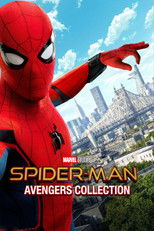
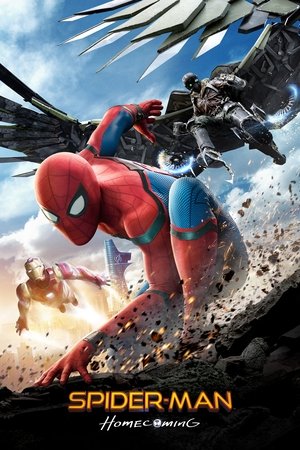
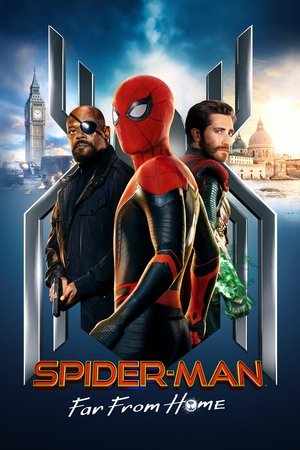
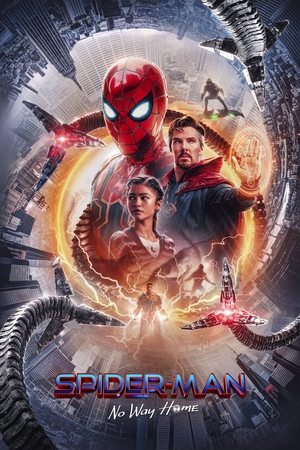
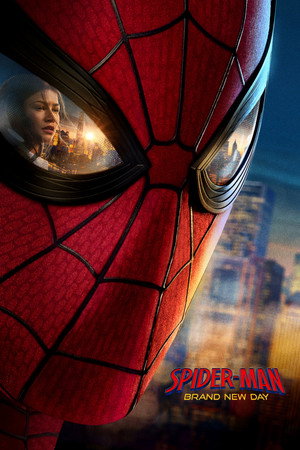
The Spider-Man (MCU) collection is a trilogy of superhero films centered on Peter Parker, a teenage superhero navigating the complexities of adolescence within the larger Marvel Cinematic Universe. Produced by Marvel Studios and distributed by Sony Pictures Releasing, the series marks the character's integration into the MCU following a landmark agreement between the two studios. The films follow Peter as he balances high school life with his secret identity, mentored by Tony Stark, and gradually confronts threats that escalate from local menaces to multiverse-shattering crises. This collection is defined by its coming-of-age narrative, blending the spectacle of superhero action with the relatable struggles of youth, friendship, and responsibility.
The trilogy explores Peter's evolution from an eager, inexperienced hero seeking approval to a self-reliant figure who understands the weight of his choices. Thematically, it grapples with identity, loss, and the consequences of living a double life, all while maintaining a light, humorous tone characteristic of the MCU's Spider-Man. The films are deeply interconnected with the broader MCU, with events from other films directly impacting Peter's journey, and his actions, in turn, sending ripples through the shared universe. This interconnectedness culminates in a narrative that not only honors the legacy of previous Spider-Man adaptations but also expands the possibilities of the character within a vast, interconnected superhero landscape.
Culturally, the collection has been a significant commercial and critical success, revitalizing the Spider-Man film brand for a new generation. It successfully reintroduced the character without retelling his origin story, instead focusing on his growth within an already established world of heroes. The trilogy's blend of high school comedy, heartfelt drama, and large-scale superhero action resonated with audiences, making it a standout within the MCU's sprawling narrative. Its impact is evident in its box office performance and its role in bridging different eras of Spider-Man cinema, creating a unique, celebratory event for fans.
The legacy of this collection lies in its innovative approach to a well-known character, proving that a fresh perspective can reinvigorate even the most familiar stories. By embedding Spider-Man firmly within the MCU, the trilogy allowed for character dynamics and plot developments impossible in a standalone series, while still delivering a deeply personal arc for Peter Parker. It stands as a testament to collaborative studio filmmaking and a defining chapter in the ongoing story of one of pop culture's most enduring heroes.