🎬 The Guardians of the Galaxy Holiday Special (2022)
Part of Marvel Cinematic Universe (MCU)
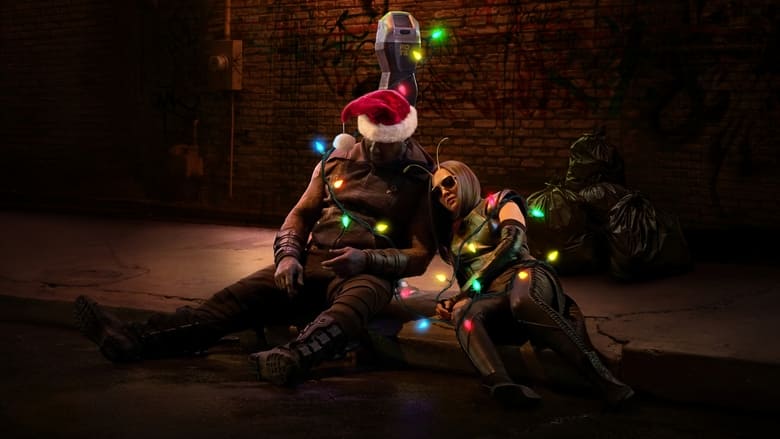
The Guardians of the Galaxy Holiday Special is a delightful Christmas-themed television special that brings Marvel's cosmic misfits into the holiday spirit. Written and directed by James Gunn, the special draws its characters from the Marvel Comics superhero team that first appeared in 1969, though the modern incarnation created by Dan Abnett and Andy Lanning in 2008 serves as the primary inspiration for the Marvel Cinematic Universe version. The special is set within the continuity of the MCU, taking place after the events of Thor: Love and Thunder and before Guardians of the Galaxy Vol. 3.
The plot follows Mantis and Drax as they embark on a mission to cheer up a despondent Peter Quill during the Christmas season. Learning that Quill's childhood hero is the actor Kevin Bacon, they travel to Earth with the simple but misguided plan of kidnapping Bacon and bringing him back as a Christmas present. The resulting chaos blends the franchise's signature humor with genuine holiday warmth, as the Guardians ultimately discover that family and togetherness are the greatest gifts of all. Kevin Bacon plays a fictionalized version of himself with game enthusiasm, and the special features original music performed by the band Old 97's.
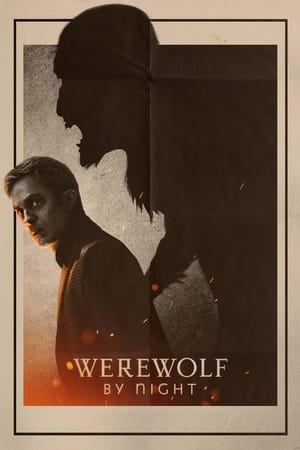
As the second Marvel Studios Special Presentation on Disney+, following Werewolf by Night, the Holiday Special was filmed concurrently with Guardians of the Galaxy Vol. 3 in Atlanta and Los Angeles. Gunn conceived the idea years earlier during production of Vol. 2, and the special allowed him to explore the characters in a lower-stakes, more intimate setting. It notably reveals that Mantis is Peter Quill's half-sister, a plot point that carries emotional weight into the subsequent feature film. The special was released on November 25, 2022, concluding Phase Four of the MCU, and received praise for its humor, heart, and the cast's performances, winning multiple Children's and Family Emmy Awards.

The Guardians of the Galaxy are a superhero team appearing in American comic books published by Marvel Comics. The original team debuted in Marvel Super-Heroes #18 in January 1969, created by writer Arnold Drake and artist Gene Colan. Set in the 31st century of an alternate timeline, this initial roster consisted of Vance Astro (Major Victory), Martinex T'Naga, Captain Charlie-27, and Yondu Udonta. They were freedom fighters from different planets united against the oppressive alien race known as the Badoon, who had conquered the solar system.
The concept was revitalized in 2008 by writers Dan Abnett and Andy Lanning, who introduced a modern-day team in the aftermath of the crossover event Annihilation: Conquest. This new iteration, which forms the basis for the popular film adaptations, brought together cosmic misfits including Star-Lord (Peter Quill), Gamora, Drax the Destroyer, Rocket Raccoon, and Groot. The team operated from the space station Knowhere, taking on galactic threats that larger heroes often overlooked.
The 2008 relaunch transformed the Guardians from obscure cult favorites into one of Marvel's most recognizable properties. The blend of irreverent humor, found-family dynamics, and cosmic spectacle distinguished the series from traditional superhero fare. Subsequent comic runs have expanded the roster to include characters like Venom, Kitty Pryde, and the Thing, while the core theme of unlikely allies becoming a family has remained central to the team's enduring appeal.
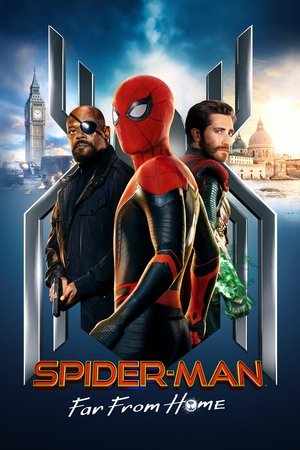
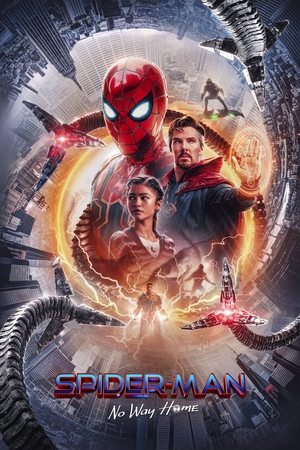
The Spider-Man (MCU) collection is a trilogy of superhero films centered on Peter Parker, a teenage superhero navigating the complexities of adolescence within the larger Marvel Cinematic Universe. Produced by Marvel Studios and distributed by Sony Pictures Releasing, the series marks the character's integration into the MCU following a landmark agreement between the two studios. The films follow Peter as he balances high school life with his secret identity, mentored by Tony Stark, and gradually confronts threats that escalate from local menaces to multiverse-shattering crises. This collection is defined by its coming-of-age narrative, blending the spectacle of superhero action with the relatable struggles of youth, friendship, and responsibility.
The trilogy explores Peter's evolution from an eager, inexperienced hero seeking approval to a self-reliant figure who understands the weight of his choices. Thematically, it grapples with identity, loss, and the consequences of living a double life, all while maintaining a light, humorous tone characteristic of the MCU's Spider-Man. The films are deeply interconnected with the broader MCU, with events from other films directly impacting Peter's journey, and his actions, in turn, sending ripples through the shared universe. This interconnectedness culminates in a narrative that not only honors the legacy of previous Spider-Man adaptations but also expands the possibilities of the character within a vast, interconnected superhero landscape.
Culturally, the collection has been a significant commercial and critical success, revitalizing the Spider-Man film brand for a new generation. It successfully reintroduced the character without retelling his origin story, instead focusing on his growth within an already established world of heroes. The trilogy's blend of high school comedy, heartfelt drama, and large-scale superhero action resonated with audiences, making it a standout within the MCU's sprawling narrative. Its impact is evident in its box office performance and its role in bridging different eras of Spider-Man cinema, creating a unique, celebratory event for fans.
The legacy of this collection lies in its innovative approach to a well-known character, proving that a fresh perspective can reinvigorate even the most familiar stories. By embedding Spider-Man firmly within the MCU, the trilogy allowed for character dynamics and plot developments impossible in a standalone series, while still delivering a deeply personal arc for Peter Parker. It stands as a testament to collaborative studio filmmaking and a defining chapter in the ongoing story of one of pop culture's most enduring heroes.
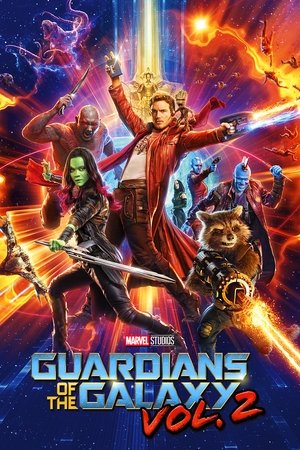
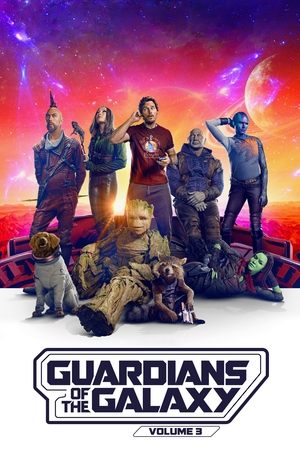
The Guardians of the Galaxy series is a collection of Marvel Studios films and television productions centered on a ragtag group of intergalactic misfits. Originating from a relatively obscure Marvel Comics team, the property gained mainstream popularity through its 2014 cinematic adaptation, which introduced audiences to a new corner of the Marvel Cinematic Universe. The series quickly evolved from a standalone gamble into a cornerstone of the broader shared universe, blending cosmic adventure with grounded character drama. Its narrative foundation rests on a found family of outlaws, each carrying profound personal trauma, who must learn to trust one another while navigating the vast and dangerous expanse of space. The series includes three feature films, a holiday special, and an animated short series, all interconnected by the same irreverent tone and emotional core.
Thematically, the series explores identity, redemption, and the transformative power of chosen family. Rather than relying on traditional superhero tropes, it emphasizes emotional vulnerability and humor as tools for survival and connection. The characters' journeys are deeply personal, often focusing on overcoming past mistakes and reconciling with complicated familial legacies—whether it is Peter Quill's search for belonging, Gamora's escape from a tyrannical father figure, or Rocket's struggle with self-worth. This approach has resonated strongly with audiences, offering a refreshing contrast to more conventional heroic narratives. The series also examines the tension between selfishness and sacrifice, showing how a group of self-interested individuals can become a cohesive, loving unit.
Culturally, the Guardians of the Galaxy series has left a lasting impact on modern blockbuster filmmaking by successfully merging high-concept sci-fi with intimate character studies. Its distinctive soundtrack, featuring classic pop and rock hits from the 1970s and 1980s, became a defining element that influenced other films and marketing campaigns. The vibrant visual style, irreverent humor, and commitment to emotional authenticity set a new standard for genre storytelling within the Marvel Cinematic Universe. The series proved that smaller-scale, character-driven stories could achieve massive commercial and critical success while maintaining a cohesive overarching mythology. It also expanded the boundaries of its shared universe, introducing cosmic entities and locales that would become integral to later crossover events. The enduring popularity of characters like Groot and Rocket Raccoon has spawned additional media, cementing the Guardians as beloved figures in contemporary pop culture.