🎬 Spider-Man: Far From Home (2019)
Part of Marvel Cinematic Universe (MCU)
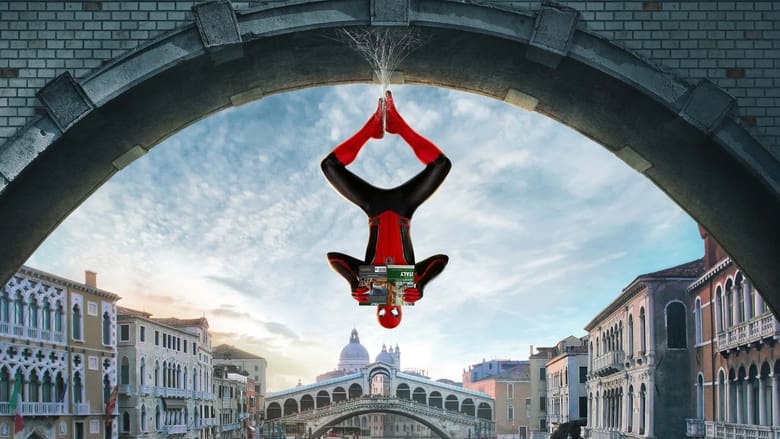
Spider-Man: Far From Home is the 2019 sequel to Spider-Man: Homecoming and the 23rd entry in the Marvel Cinematic Universe, once again directed by Jon Watts and starring Tom Holland as the web-slinging hero. The film picks up after the cataclysmic events of Avengers: Endgame, with Peter Parker grieving the loss of his mentor Tony Stark while attempting to enjoy a normal European school trip with his friends. That hope is quickly dashed when Nick Fury recruits him to team up with Quentin Beck, a mysterious hero from another Earth who calls himself Mysterio, to battle destructive creatures known as the Elementals.
The film draws from the deep well of Spider-Man comics created by Stan Lee and Steve Ditko in 1962, particularly in its use of Mysterio—a classic villain who first appeared in The Amazing Spider-Man #13 in 1964. In the comics, Mysterio is a master of illusion and special effects, a former stuntman and FX artist who uses his talents to commit crimes and frame Spider-Man. Far From Home cleverly adapts this concept for the modern MCU, reimagining Beck as a disgruntled former Stark Industries employee who weaponizes holographic drone technology to fabricate threats and cast himself as a hero, a twist that shocked audiences and gave Jake Gyllenhaal a memorable MCU debut.
As the final film in Phase Three of the MCU, Far From Home carries the weight of a universe forever changed by the Blip and Iron Man's sacrifice. Peter's arc centers on stepping out of Stark's shadow and becoming his own hero, a journey symbolized by his eventual embrace of Tony's glasses-based AI system E.D.I.T.H. and his construction of a new suit using Happy Hogan's jet lab. The mid-credits scene, in which J. Jonah Jameson—played once again by J.K. Simmons—broadcasts Mysterio's doctored footage framing Spider-Man and revealing his secret identity, set the stage for the multiverse-shattering events of Spider-Man: No Way Home.

Spider-Man is a superhero created by writer-editor Stan Lee and writer-artist Steve Ditko, first appearing in the comic book Amazing Fantasy #15 in August 1962. The character is the alter ego of Peter Parker, a teenage orphan living in Queens, New York City, who gains spider-like abilities after being bitten by a radioactive spider. These powers include superhuman strength, agility, the ability to cling to surfaces, and a precognitive "spider-sense" that warns him of danger. Parker initially uses his powers for personal gain but, after failing to stop a thief who later kills his Uncle Ben, learns the iconic lesson that "with great power comes great responsibility."
The character quickly became one of Marvel Comics' most popular and enduring icons, known for his relatable struggles with adolescence, financial hardship, and balancing his personal life with his superhero duties. Spider-Man's rogues' gallery includes the Green Goblin, Doctor Octopus, Venom, and the Sandman, among many others. The character has been featured in numerous comic series, animated and live-action television shows, films, video games, and merchandise, making him one of the most recognizable and commercially successful superheroes in the world.
The Spider-Man (MCU) collection is a trilogy of superhero films centered on Peter Parker, a teenage superhero navigating the complexities of adolescence within the larger Marvel Cinematic Universe. Produced by Marvel Studios and distributed by Sony Pictures Releasing, the series marks the character's integration into the MCU following a landmark agreement between the two studios. The films follow Peter as he balances high school life with his secret identity, mentored by Tony Stark, and gradually confronts threats that escalate from local menaces to multiverse-shattering crises. This collection is defined by its coming-of-age narrative, blending the spectacle of superhero action with the relatable struggles of youth, friendship, and responsibility.
The trilogy explores Peter's evolution from an eager, inexperienced hero seeking approval to a self-reliant figure who understands the weight of his choices. Thematically, it grapples with identity, loss, and the consequences of living a double life, all while maintaining a light, humorous tone characteristic of the MCU's Spider-Man. The films are deeply interconnected with the broader MCU, with events from other films directly impacting Peter's journey, and his actions, in turn, sending ripples through the shared universe. This interconnectedness culminates in a narrative that not only honors the legacy of previous Spider-Man adaptations but also expands the possibilities of the character within a vast, interconnected superhero landscape.
Culturally, the collection has been a significant commercial and critical success, revitalizing the Spider-Man film brand for a new generation. It successfully reintroduced the character without retelling his origin story, instead focusing on his growth within an already established world of heroes. The trilogy's blend of high school comedy, heartfelt drama, and large-scale superhero action resonated with audiences, making it a standout within the MCU's sprawling narrative. Its impact is evident in its box office performance and its role in bridging different eras of Spider-Man cinema, creating a unique, celebratory event for fans.
The legacy of this collection lies in its innovative approach to a well-known character, proving that a fresh perspective can reinvigorate even the most familiar stories. By embedding Spider-Man firmly within the MCU, the trilogy allowed for character dynamics and plot developments impossible in a standalone series, while still delivering a deeply personal arc for Peter Parker. It stands as a testament to collaborative studio filmmaking and a defining chapter in the ongoing story of one of pop culture's most enduring heroes.
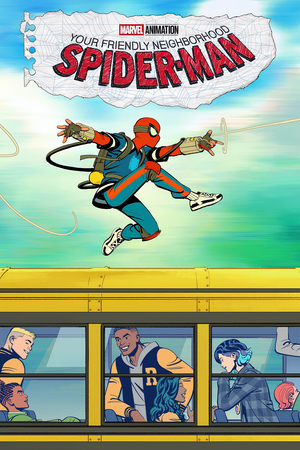
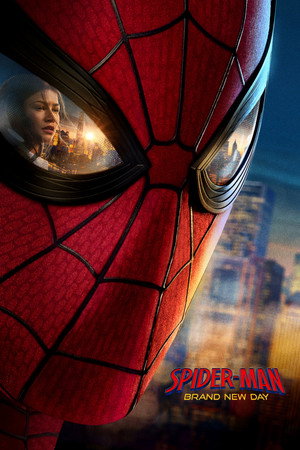
Marvel's Spider-Man is a collection of interconnected films and television series that reimagines the iconic superhero within the Marvel Cinematic Universe (MCU) and beyond. Launched in 2017 with Spider-Man: Homecoming, the series is a collaborative effort between Marvel Studios and Sony Pictures, marking the first time the character appeared alongside the Avengers. The story centers on a teenage Peter Parker, portrayed by Tom Holland, as he balances the challenges of high school with the responsibilities of being a superhero under the mentorship of Tony Stark. The subsequent films, Far From Home (2019) and No Way Home (2021), expand his journey across Europe and into the multiverse, while the upcoming Brand New Day (2026) promises a fresh start. The animated series Your Friendly Neighborhood Spider-Man (2025) offers an alternate take on the hero's early days, broadening the collection's scope.
At its core, the series explores timeless themes of responsibility, identity, and sacrifice. Peter's arc is defined by his struggle to forge his own path while living up to the legacy of his mentors and dealing with the consequences of his choices. The narrative delves into the tension between personal desires and public duty, as Peter grapples with loss, guilt, and the weight of his secret identity. The multiverse storyline in No Way Home elevates these themes by confronting Peter with alternate versions of himself and forcing him to make a profound sacrifice, resetting his life and relationships. This emotional grounding, combined with spectacular action, has resonated deeply with audiences.
Culturally, this collection has left an indelible mark on modern superhero cinema. The integration of Spider-Man into the MCU was a historic deal that delighted fans and proved the viability of shared universes. The films have been both critically acclaimed and commercially successful, with No Way Home becoming a global phenomenon by uniting three generations of Spider-Man actors. The series' innovative approach to legacy and multiversal storytelling has influenced the broader MCU and demonstrated the enduring appeal of the character. The upcoming animated series further showcases the flexibility of the Spider-Man mythos, appealing to new audiences while honoring the character's rich history.
As the collection continues to evolve with Brand New Day and Your Friendly Neighborhood Spider-Man, it reflects Marvel's commitment to expanding its storytelling across film and television. The series has redefined Spider-Man for a contemporary audience, emphasizing his humanity and relatability. By blending standalone adventures with larger universe connections, it maintains a delicate balance that keeps the character fresh and relevant. The legacy of this collection lies in its ability to honor the past while charting a new future for one of pop culture's most beloved heroes.