🎬 Spider-Man (2002)
Part of Spider-Man
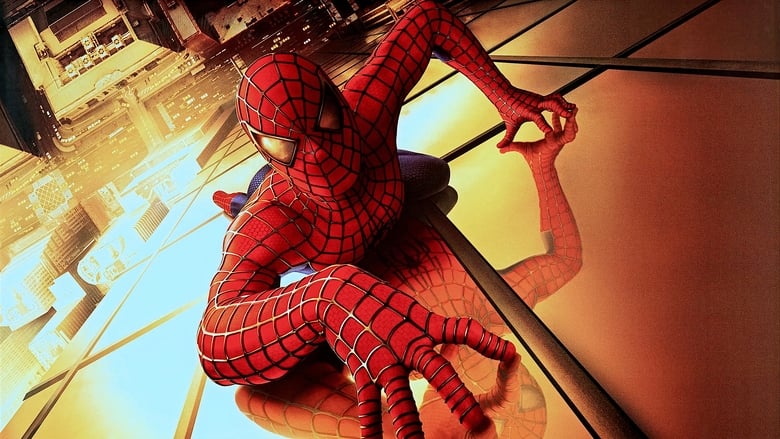
Sam Raimi's Spider-Man, released in 2002, was the film that finally brought Marvel's most beloved superhero to the big screen after nearly 25 years of development hell. The project had bounced between studios and directors since the late 1970s, with rights issues and financial disputes keeping Spider-Man grounded. When Columbia Pictures finally secured the license in 1999, they hired David Koepp to write the screenplay, which drew heavily from the character's classic origin story first told in Amazing Fantasy #15. Raimi, a lifelong Spider-Man fan, infused the film with the earnest, heartfelt tone of the early Stan Lee and Steve Ditko comics, balancing spectacular action with the very human story of a teenager learning that with great power comes great responsibility.
The film stars Tobey Maguire as Peter Parker, a timid high school student who gains incredible arachnid-like abilities after being bitten by a genetically engineered spider. Willem Dafoe delivers a memorably unhinged performance as Norman Osborn, the industrialist who transforms into the Green Goblin after a failed experiment. Kirsten Dunst plays Mary Jane Watson, the girl-next-door who has always been just out of Peter's reach. The casting proved inspired — Maguire's understated vulnerability and Dafoe's manic intensity created a compelling hero-villain dynamic that grounded the film's more fantastical elements.
Spider-Man was a watershed moment for the superhero genre. Released just two years after X-Men helped revive comic book movies, it shattered box office records, becoming the first film to earn over $100 million in a single weekend. Its $826.8 million worldwide gross proved that superhero films could be massive blockbusters, paving the way for the modern era of comic book cinema. Danny Elfman's soaring score and the film's groundbreaking visual effects — particularly the web-swinging sequences through Manhattan's concrete canyons — set a new standard for what audiences could expect from a superhero spectacle.
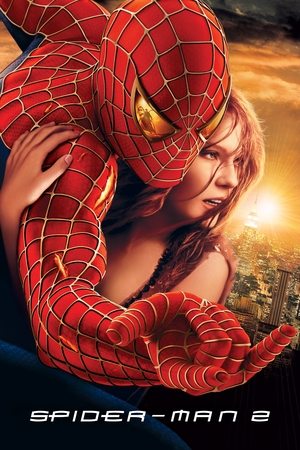
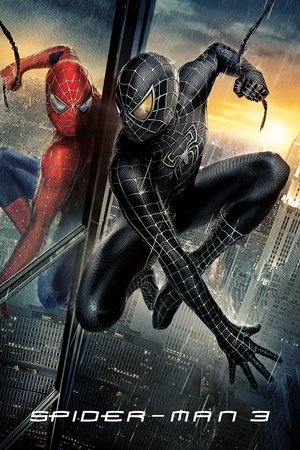
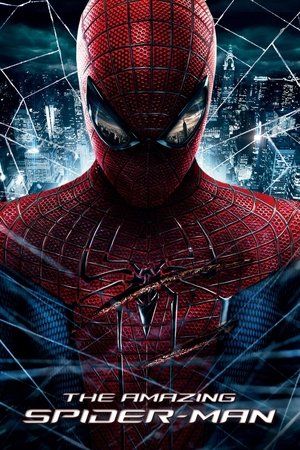
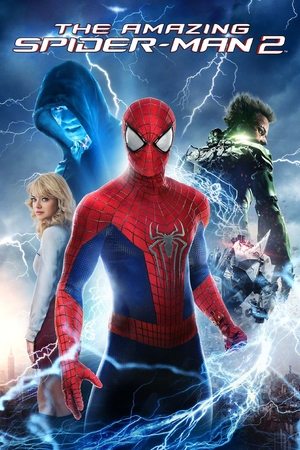
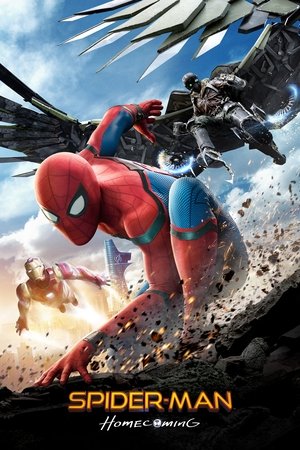
Raimi's film launched a trilogy that continued with Spider-Man 2 (2004), widely considered one of the greatest superhero films ever made, and Spider-Man 3 (2007). The trilogy's influence can be felt in every Spider-Man adaptation that followed, from Marc Webb's Amazing Spider-Man films to Tom Holland's integration into the Marvel Cinematic Universe. More than two decades later, the image of Tobey Maguire's Spider-Man swinging between skyscrapers remains an enduring symbol of the moment comic book movies truly took flight.

Spider-Man is a superhero created by writer-editor Stan Lee and writer-artist Steve Ditko, first appearing in the comic book Amazing Fantasy #15 in August 1962. The character is the alter ego of Peter Parker, a teenage orphan living in Queens, New York City, who gains spider-like abilities after being bitten by a radioactive spider. These powers include superhuman strength, agility, the ability to cling to surfaces, and a precognitive "spider-sense" that warns him of danger. Parker initially uses his powers for personal gain but, after failing to stop a thief who later kills his Uncle Ben, learns the iconic lesson that "with great power comes great responsibility."
The character quickly became one of Marvel Comics' most popular and enduring icons, known for his relatable struggles with adolescence, financial hardship, and balancing his personal life with his superhero duties. Spider-Man's rogues' gallery includes the Green Goblin, Doctor Octopus, Venom, and the Sandman, among many others. The character has been featured in numerous comic series, animated and live-action television shows, films, video games, and merchandise, making him one of the most recognizable and commercially successful superheroes in the world.
Sam Raimi's Spider-Man trilogy is a landmark superhero film series that brought the beloved Marvel character to life on the big screen with a blend of earnest emotion, thrilling action, and groundbreaking visual effects. Centered on Tobey Maguire's portrayal of Peter Parker, the series follows his origin as a bitten teenager in Queens who learns that with great power comes great responsibility, and charts his evolving struggles to balance personal relationships with his duty as a hero. Across three films, the narrative deepens the internal conflicts of its protagonist while introducing iconic adversaries such as the Green Goblin, Doctor Octopus, and Venom, each representing a dark mirror to Peter's own journey. The trilogy is unified by Raimi's distinctive directorial style, which infuses the comic-book spectacle with a sincere, sometimes operatic, emotional core, making it a touchstone for character-driven superhero storytelling.\n\nThe series began with *Spider-Man* (2002), a film that shattered box office records and demonstrated the massive commercial potential of the superhero genre, paving the way for the modern blockbuster landscape. Its sequel, *Spider-Man 2* (2004), is widely regarded as one of the greatest superhero films ever made, praised for its deeper exploration of Peter's sacrifices and its masterful villain in Alfred Molina's Doctor Octopus. The trilogy concluded with *Spider-Man 3* (2007), a more divisive entry that nonetheless expanded the scope with multiple villains and a darker examination of pride and revenge. Together, these films form a cohesive narrative arc that traces Peter Parker's growth from uncertain high schooler to a mature, selfless hero, all while maintaining a strong focus on the people and city he loves.\n\nCulturally, Raimi's trilogy left an indelible mark on popular cinema, establishing narrative and tonal templates that influenced countless subsequent superhero films. Its mix of practical effects and then-cutting-edge CGI set new standards for visualizing comic-book action, and its earnest tone provided a counterpoint to the more cynical approaches that would later emerge. The series also cemented the Spider-Man mythos in the public consciousness, making the character's origin, catchphrases, and iconic upside-down kiss instantly recognizable worldwide. Though later iterations would reinterpret the character, this trilogy remains a foundational and beloved chapter in Spider-Man's cinematic legacy.