Spider-Man
Collection 🎬 Collection
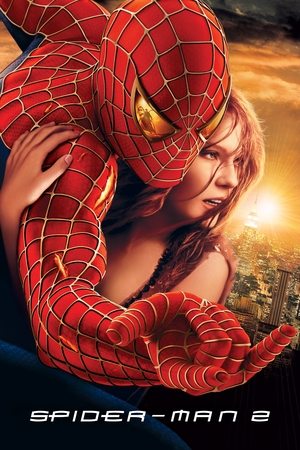
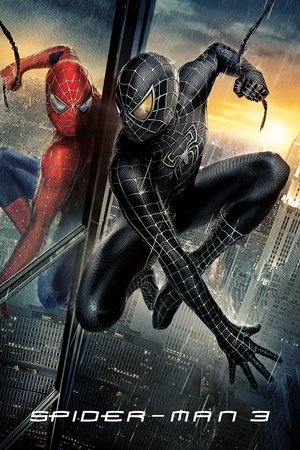
Sam Raimi's Spider-Man trilogy is a landmark superhero film series that brought the beloved Marvel character to life on the big screen with a blend of earnest emotion, thrilling action, and groundbreaking visual effects. Centered on Tobey Maguire's portrayal of Peter Parker, the series follows his origin as a bitten teenager in Queens who learns that with great power comes great responsibility, and charts his evolving struggles to balance personal relationships with his duty as a hero. Across three films, the narrative deepens the internal conflicts of its protagonist while introducing iconic adversaries such as the Green Goblin, Doctor Octopus, and Venom, each representing a dark mirror to Peter's own journey. The trilogy is unified by Raimi's distinctive directorial style, which infuses the comic-book spectacle with a sincere, sometimes operatic, emotional core, making it a touchstone for character-driven superhero storytelling.\n\nThe series began with *Spider-Man* (2002), a film that shattered box office records and demonstrated the massive commercial potential of the superhero genre, paving the way for the modern blockbuster landscape. Its sequel, *Spider-Man 2* (2004), is widely regarded as one of the greatest superhero films ever made, praised for its deeper exploration of Peter's sacrifices and its masterful villain in Alfred Molina's Doctor Octopus. The trilogy concluded with *Spider-Man 3* (2007), a more divisive entry that nonetheless expanded the scope with multiple villains and a darker examination of pride and revenge. Together, these films form a cohesive narrative arc that traces Peter Parker's growth from uncertain high schooler to a mature, selfless hero, all while maintaining a strong focus on the people and city he loves.\n\nCulturally, Raimi's trilogy left an indelible mark on popular cinema, establishing narrative and tonal templates that influenced countless subsequent superhero films. Its mix of practical effects and then-cutting-edge CGI set new standards for visualizing comic-book action, and its earnest tone provided a counterpoint to the more cynical approaches that would later emerge. The series also cemented the Spider-Man mythos in the public consciousness, making the character's origin, catchphrases, and iconic upside-down kiss instantly recognizable worldwide. Though later iterations would reinterpret the character, this trilogy remains a foundational and beloved chapter in Spider-Man's cinematic legacy.