🎬 Captain America: The Winter Soldier (2014)
Part of Marvel Cinematic Universe (MCU)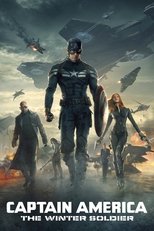
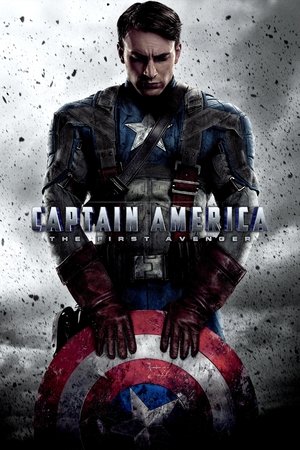
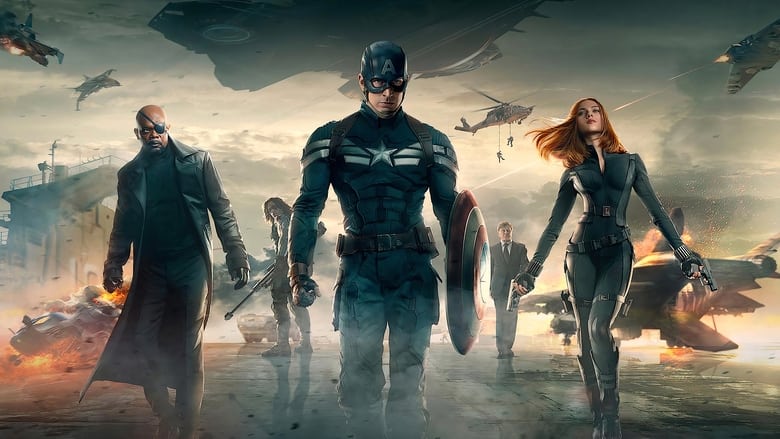
Captain America: The Winter Soldier is the 2014 sequel to 2011's Captain America: The First Avenger and the ninth entry in the Marvel Cinematic Universe. Directed by Anthony and Joe Russo, the film takes its title and core premise from Ed Brubaker's acclaimed 2005 comic book storyline, which reintroduced Bucky Barnes as a brainwashed Soviet operative. The film transplants this concept into a modern-day political thriller, pitting Steve Rogers against a conspiracy that has infiltrated S.H.I.E.L.D. to its highest levels. The Russo brothers deliberately drew inspiration from 1970s paranoia thrillers like Three Days of the Condor, giving the film a grittier, more grounded tone than its predecessor.
The Winter Soldier storyline was a landmark in Captain America comics, running from 2005 to 2006 and winning multiple Eisner Awards. Brubaker's run redefined the character for a new generation, blending superhero action with espionage and moral complexity. The film adaptation streamlines the comic's sprawling narrative but retains its emotional core: the devastating revelation that Rogers' best friend is now his deadliest enemy. Sebastian Stan's portrayal of the Winter Soldier brought a haunted physicality to the role, while Chris Evans continued to ground the super-soldier with earnestness and vulnerability.
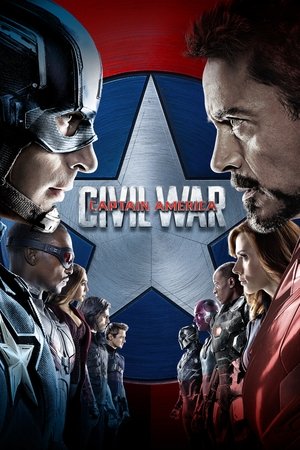
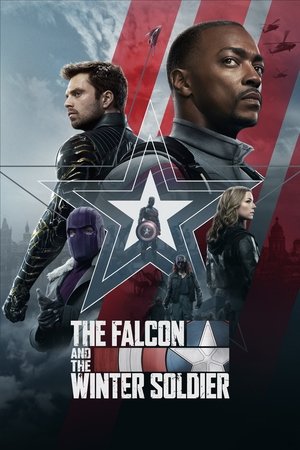
As part of the MCU, The Winter Soldier had significant ripple effects across the franchise, most notably by dismantling S.H.I.E.L.D. and forcing the heroes to operate without institutional support. This set the stage for the ideological conflict in Captain America: Civil War and the subsequent fallout in Avengers: Infinity War and Endgame. The film also introduced Anthony Mackie's Sam Wilson, who would later inherit the mantle of Captain America in the Disney+ series The Falcon and the Winter Soldier. The movie was both a critical and commercial success, praised for its action choreography, thematic depth, and the chemistry between its leads.

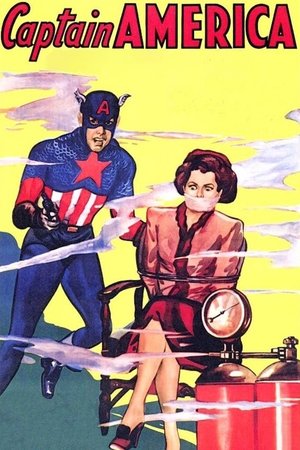
Captain America is a superhero created by Joe Simon and Jack Kirby, first appearing in Captain America Comics #1, published by Timely Comics (the predecessor of Marvel Comics) in December 1940, with a cover date of March 1941. The character is the alter ego of Steve Rogers, a frail young man who was enhanced to the peak of human physicality by an experimental serum in order to aid the United States war effort during World War II. Clad in a patriotic costume and wielding an indestructible shield, Captain America became Timely's most popular character and a symbol of American ideals during the war. After the war's end, the character's popularity waned, and he was briefly revived in the 1950s before being fully reintroduced by Stan Lee and Jack Kirby in The Avengers #4 (1964), where it was revealed he had been frozen in ice since the war.
The character has since become a cornerstone of the Marvel Universe, often serving as its moral compass and a central figure in major crossover events. Over the decades, Captain America's stories have explored themes of patriotism, duty, and the tension between national loyalty and personal ethics. Notable creative runs include those by Steve Englehart, Mark Gruenwald, and Ed Brubaker, the latter of whom introduced the Winter Soldier storyline in 2005, revealing that Rogers' wartime sidekick Bucky Barnes had survived and been brainwashed into a Soviet assassin.
Captain America's shield, made of a unique vibranium-steel alloy, is one of the most iconic props in comic book history. The character has been adapted into numerous media, including serials, animated series, video games, and a major film franchise within the Marvel Cinematic Universe. His enduring appeal lies in his representation of timeless values and his ability to question authority while remaining a steadfast hero.
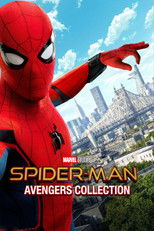
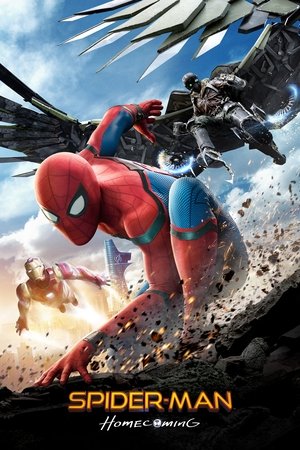
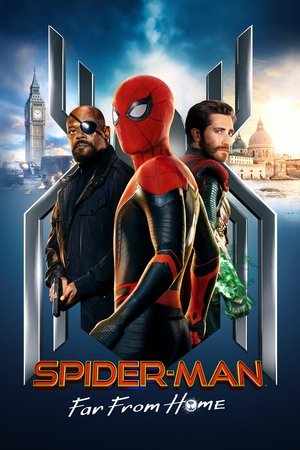
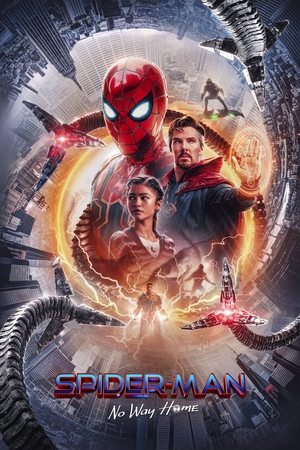
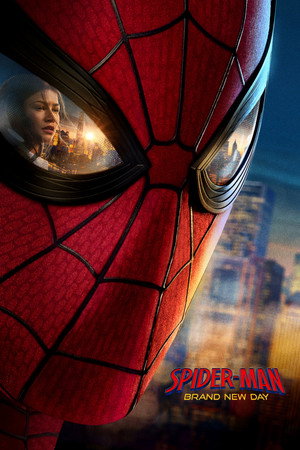
The Spider-Man (MCU) collection is a trilogy of superhero films centered on Peter Parker, a teenage superhero navigating the complexities of adolescence within the larger Marvel Cinematic Universe. Produced by Marvel Studios and distributed by Sony Pictures Releasing, the series marks the character's integration into the MCU following a landmark agreement between the two studios. The films follow Peter as he balances high school life with his secret identity, mentored by Tony Stark, and gradually confronts threats that escalate from local menaces to multiverse-shattering crises. This collection is defined by its coming-of-age narrative, blending the spectacle of superhero action with the relatable struggles of youth, friendship, and responsibility.
The trilogy explores Peter's evolution from an eager, inexperienced hero seeking approval to a self-reliant figure who understands the weight of his choices. Thematically, it grapples with identity, loss, and the consequences of living a double life, all while maintaining a light, humorous tone characteristic of the MCU's Spider-Man. The films are deeply interconnected with the broader MCU, with events from other films directly impacting Peter's journey, and his actions, in turn, sending ripples through the shared universe. This interconnectedness culminates in a narrative that not only honors the legacy of previous Spider-Man adaptations but also expands the possibilities of the character within a vast, interconnected superhero landscape.
Culturally, the collection has been a significant commercial and critical success, revitalizing the Spider-Man film brand for a new generation. It successfully reintroduced the character without retelling his origin story, instead focusing on his growth within an already established world of heroes. The trilogy's blend of high school comedy, heartfelt drama, and large-scale superhero action resonated with audiences, making it a standout within the MCU's sprawling narrative. Its impact is evident in its box office performance and its role in bridging different eras of Spider-Man cinema, creating a unique, celebratory event for fans.
The legacy of this collection lies in its innovative approach to a well-known character, proving that a fresh perspective can reinvigorate even the most familiar stories. By embedding Spider-Man firmly within the MCU, the trilogy allowed for character dynamics and plot developments impossible in a standalone series, while still delivering a deeply personal arc for Peter Parker. It stands as a testament to collaborative studio filmmaking and a defining chapter in the ongoing story of one of pop culture's most enduring heroes.
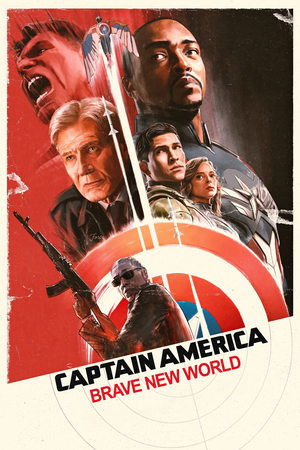
The Captain America film series is a collection of superhero films within the Marvel Cinematic Universe, centered on the character Steve Rogers, a World War II-era super-soldier who becomes the iconic hero Captain America. The series explores his origins, his struggle to adapt to the modern world after being frozen in ice, and his evolving role as a moral compass and leader among the Avengers. The narrative spans decades, beginning with his fight against Hydra in the 1940s and continuing into contemporary conflicts involving espionage, government oversight, and personal loyalties. The series also extends to television with the series The Falcon and the Winter Soldier, which deals with the legacy of the Captain America mantle after Steve Rogers' retirement. Overarching themes include patriotism versus nationalism, the nature of freedom, the cost of war, and the enduring power of friendship and integrity. The series is known for blending genres, from the period war adventure of the first installment to the paranoid political thriller tone of its sequels, while maintaining a strong character-driven focus. Culturally, the Captain America films have been significant for their commentary on American identity and security in the 21st century, often sparking discussion about the balance between liberty and control. The series has been both critically acclaimed and commercially successful, solidifying Chris Evans' portrayal as a defining interpretation of the character and leaving a lasting impact on superhero cinema.