🎬 Thor: Ragnarok (2017)
Part of Marvel Cinematic Universe (MCU)
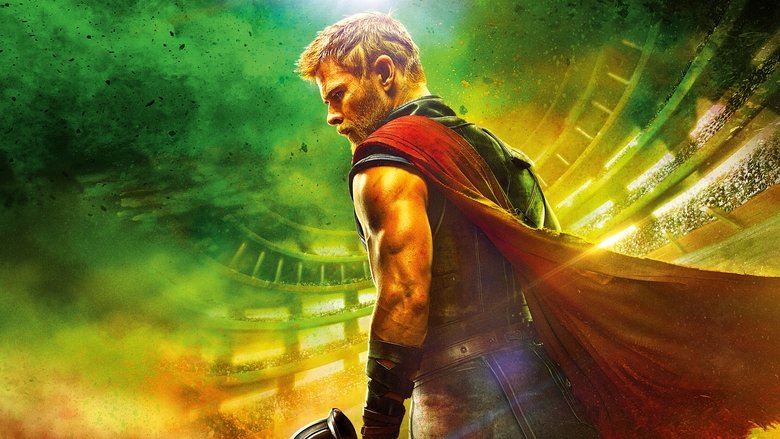
With Thor: Ragnarok, director Taika Waititi didn't just make another Thor sequel; he essentially detonated the franchise and rebuilt it from the rubble. Gone were the dutiful Shakespearean overtones and dutch angles of Kenneth Branagh's first film, replaced by a vibrant, irreverent cosmic road trip drenched in the neon hues of 1980s sci-fi fantasy. The film boldly borrows the bones of the beloved "Planet Hulk" comic storyline, stranding the God of Thunder on the gladiatorial world of Sakaar without his hammer, his hair, or his usual support system. This narrative detour allows Waititi to strip Thor down to his essence, forcing him to realize that his power doesn't come from Mjolnir, but from within—a lesson delivered with a heavy dose of Kiwi humor and a fantastic Mark Mothersbaugh synth score.
Perhaps the most significant change from the source material is the introduction of Hela, the Goddess of Death. While the comics feature a Hela with a more traditional, gothic design and a complex, often neutral relationship with Thor, Cate Blanchett's version is reimagined as Thor's secret older sister and the film's primary antagonist. Her power is absolute and terrifying, casually shattering Mjolnir in the film's opening act to establish a threat level the previous films never achieved. This familial conflict reframes the entire history of Asgard, revealing it to be built on a bloody, colonialist foundation that Odin had whitewashed. The film's climax isn't about preventing Ragnarök, the prophesied destruction of Asgard, but about actively causing it, a radical solution that prioritizes the Asgardian people over their physical homeland.
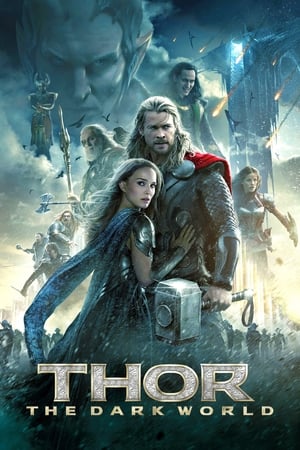
Waititi's direction also fundamentally reshaped the character of Thor himself, pushing Chris Hemsworth's comedic talents to the forefront. The film's improvisational style, heavily encouraged on set, resulted in a looser, funnier, and more relatable god. This reinvention extended to the supporting cast, transforming the Hulk from a monosyllabic brute into a petulant celebrity toddler and introducing Tessa Thompson's Valkyrie, a hard-drinking former elite warrior whose traumatic past is a far cry from the traditional comic book character. The film was a critical and commercial juggernaut, widely praised for its bold visual style, humor, and the chemistry of its cast, and is largely credited with saving the Thor franchise from the mediocrity of its predecessor, Thor: The Dark World.
While it adapts specific comic arcs like "Planet Hulk" and the concept of Ragnarök, the film is a loose, confident remix rather than a faithful translation. It cherry-picks iconic imagery—Thor's gladiator look, the Grandmaster's games—and filters them through a singular comedic lens. The result is a film that feels less like a traditional superhero origin sequel and more like a Flash Gordon-inspired buddy comedy that happens to star gods and monsters, proving that sometimes the best way to honor a character's legacy is to have the courage to completely reinvent it.

Thor is a superhero appearing in American comic books published by Marvel Comics. Created by writer Stan Lee, scripter Larry Lieber, and artist Jack Kirby, the character first appeared in Journey into Mystery #83 in August 1962. The character is based on the Norse mythological god of the same name, the Asgardian god of thunder whose enchanted hammer Mjolnir grants him the ability to fly and manipulate weather, among other superhuman attributes.
Debuting in the Silver Age of Comic Books, Thor became a founding member of the superhero team the Avengers and has starred in several ongoing series and limited series. Over the decades, the mantle of Thor has been taken up by other characters, most notably Jane Foster, who wielded Mjolnir and became the Mighty Thor during a critically acclaimed run by writer Jason Aaron in the 2010s. Aaron's run also introduced the villain Gorr the God Butcher, a being driven to slaughter gods across the universe after the death of his family.
Thor has become one of Marvel's most enduring and popular characters, appearing in animated television series, video games, and a major film franchise. The comics blend cosmic mythology with superhero action, exploring themes of worthiness, duty, and the intersection of ancient gods with the modern world.
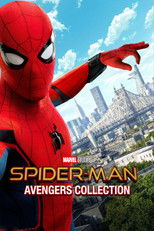
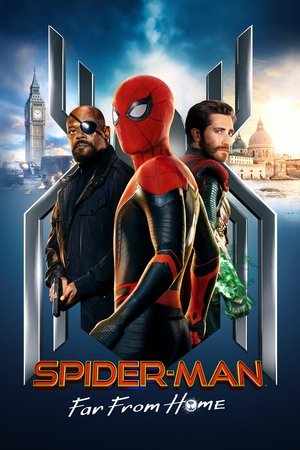
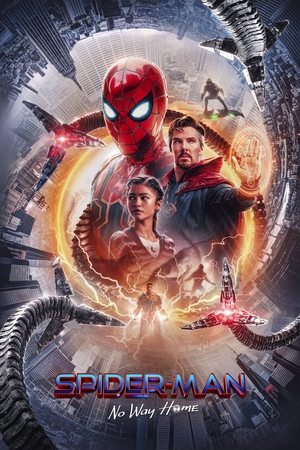
The Spider-Man (MCU) collection is a trilogy of superhero films centered on Peter Parker, a teenage superhero navigating the complexities of adolescence within the larger Marvel Cinematic Universe. Produced by Marvel Studios and distributed by Sony Pictures Releasing, the series marks the character's integration into the MCU following a landmark agreement between the two studios. The films follow Peter as he balances high school life with his secret identity, mentored by Tony Stark, and gradually confronts threats that escalate from local menaces to multiverse-shattering crises. This collection is defined by its coming-of-age narrative, blending the spectacle of superhero action with the relatable struggles of youth, friendship, and responsibility.
The trilogy explores Peter's evolution from an eager, inexperienced hero seeking approval to a self-reliant figure who understands the weight of his choices. Thematically, it grapples with identity, loss, and the consequences of living a double life, all while maintaining a light, humorous tone characteristic of the MCU's Spider-Man. The films are deeply interconnected with the broader MCU, with events from other films directly impacting Peter's journey, and his actions, in turn, sending ripples through the shared universe. This interconnectedness culminates in a narrative that not only honors the legacy of previous Spider-Man adaptations but also expands the possibilities of the character within a vast, interconnected superhero landscape.
Culturally, the collection has been a significant commercial and critical success, revitalizing the Spider-Man film brand for a new generation. It successfully reintroduced the character without retelling his origin story, instead focusing on his growth within an already established world of heroes. The trilogy's blend of high school comedy, heartfelt drama, and large-scale superhero action resonated with audiences, making it a standout within the MCU's sprawling narrative. Its impact is evident in its box office performance and its role in bridging different eras of Spider-Man cinema, creating a unique, celebratory event for fans.
The legacy of this collection lies in its innovative approach to a well-known character, proving that a fresh perspective can reinvigorate even the most familiar stories. By embedding Spider-Man firmly within the MCU, the trilogy allowed for character dynamics and plot developments impossible in a standalone series, while still delivering a deeply personal arc for Peter Parker. It stands as a testament to collaborative studio filmmaking and a defining chapter in the ongoing story of one of pop culture's most enduring heroes.
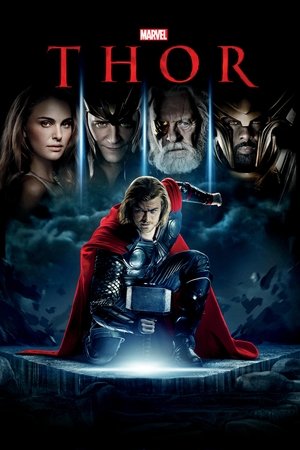
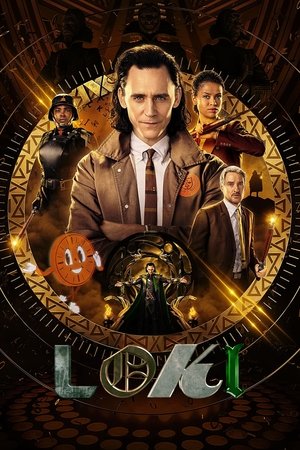
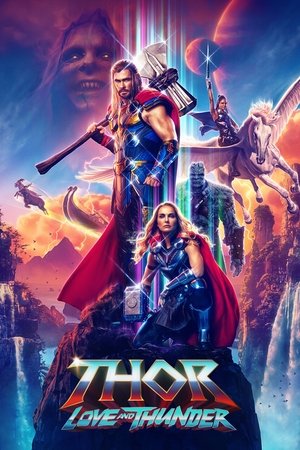
The Thor film series is a collection of superhero films within the Marvel Cinematic Universe, centered on the Asgardian god of thunder. Originating with the 2011 film, the series follows Thor's journey from a brash warrior to a wise and compassionate leader, exploring themes of worthiness, loss, and identity. The narrative spans cosmic realms, from the majestic Asgard to the chaotic planet Sakaar, blending mythological grandeur with science fiction elements. The series is notable for its evolving tone, shifting from Shakespearean drama and epic fantasy to a vibrant, comedic space opera under the direction of Taika Waititi. This reinvention revitalized the character and expanded the cosmic side of the larger cinematic universe. The collection also includes the television series 'Loki', which directly branches from Thor's story, exploring alternate timelines and the multiverse, further enriching the thematic tapestry of identity and destiny.

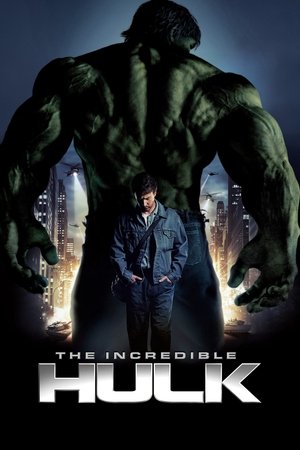
The Hulk franchise within the Marvel Cinematic Universe follows Bruce Banner's struggle to contain and harness the destructive power of the Hulk. Beginning with The Incredible Hulk (2008), one of the earliest entries in the MCU, the character's journey explores themes of inner conflict, the ethics of scientific experimentation, and the challenge of controlling rage. Though the character has not received a standalone sequel, the Hulk has remained a central figure in the broader MCU, appearing in ensemble films where his arc evolves from outcast to reluctant hero.
The franchise as defined here reflects the character's recurring presence across the MCU timeline, notably in Thor: Ragnarok where Banner's personality re-emerges after years trapped as the Hulk. This transition marked a significant evolution for the character, exploring the psychological toll of living as two beings in constant conflict and ultimately leading to the fusion of Banner's intellect with the Hulk's strength in Professor Hulk.
While distinct from the classic The Incredible Hulk Collection — which encompasses the earlier non-MCU films — this collection tracks the character's modern cinematic journey within the shared Marvel universe.