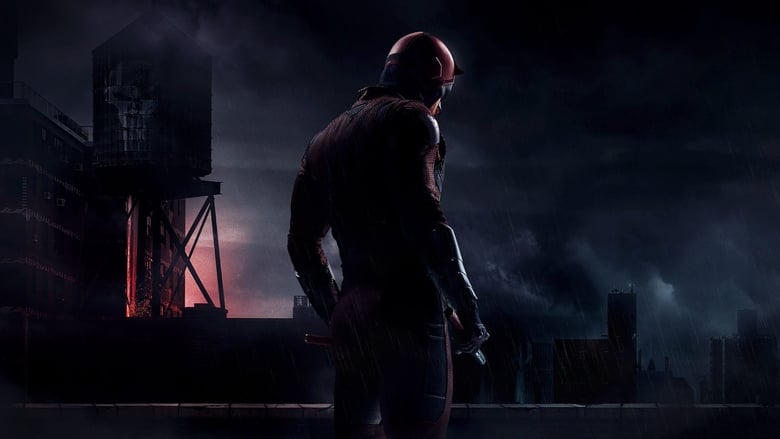
📺 Marvel's Daredevil (2015)
Part of Marvel Cinematic Universe (MCU)
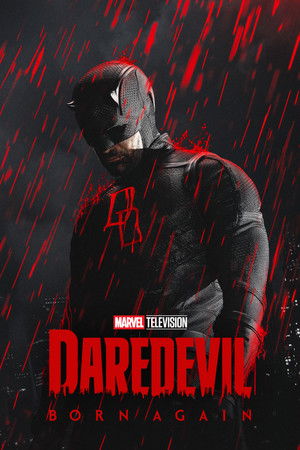
Marvel's Daredevil is a Netflix original series that premiered in 2015, bringing the Man Without Fear into the Marvel Cinematic Universe with a level of grit and violence previously unseen in the franchise. Created by Drew Goddard, the show stars Charlie Cox as Matt Murdock, a blind lawyer who patrols the streets of Hell's Kitchen at night as the vigilante Daredevil. The series draws heavily from Frank Miller's influential 1980s run on the comics, particularly the noir-tinged tone, the grounded street-level crime, and the complex characterization of Wilson Fisk, the Kingpin, played with terrifying intensity by Vincent D'Onofrio.
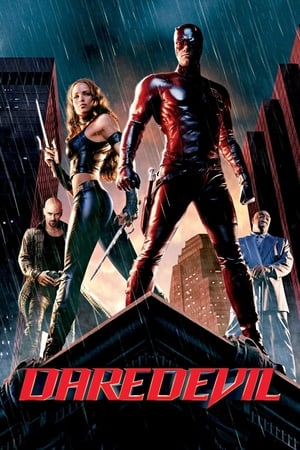
Unlike the 2003 feature film starring Ben Affleck, which condensed the origin and leaned into early-2000s superhero tropes, the Netflix series takes a slow-burn approach. The first season dedicates significant time to Matt's childhood, his relationship with his boxer father Battlin' Jack Murdock, and his training under the mysterious Stick, before fully unleashing him in the iconic black mask and later the red armored suit. The hallway fight scene in episode two, shot in a single continuous take, became an instant classic and set a new standard for action choreography in television.
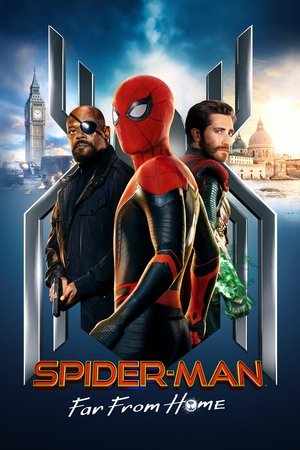
The series ran for three seasons, with season two introducing Jon Bernthal as Frank Castle, the Punisher, and Élodie Yung as Elektra Natchios, a deadly assassin and Matt's former lover. The third season adapted elements of Miller's "Born Again" storyline, pitting a broken Murdock against a fully unleashed Kingpin. Though canceled by Netflix in 2018, the show's passionate fanbase campaigned for its return, and Cox's Daredevil eventually reappeared in the MCU proper, first in Spider-Man: No Way Home and later in the Disney+ series She-Hulk: Attorney at Law, before headlining his own revival series, Daredevil: Born Again.

Daredevil is a superhero appearing in American comic books published by Marvel Comics. Created by writer-editor Stan Lee and artist Bill Everett, with an unspecified amount of input from Jack Kirby, the character first appeared in Daredevil #1 in April 1964. The character's origin story revolves around Matt Murdock, a young boy growing up in the Hell's Kitchen neighborhood of New York City. Blinded by a radioactive substance that falls from an oncoming vehicle, Murdock discovers that his other senses have been heightened to superhuman levels. By day, he becomes a respected lawyer; by night, he fights crime as the masked vigilante Daredevil, navigating a world of shadows with a radar-like sense.
The comic series initially blended superhero action with lighthearted adventure, but it was transformed in the late 1970s and especially the 1980s under writer-artist Frank Miller. Miller's run introduced a darker, grittier tone, incorporating elements of crime noir, martial arts, and deeply personal tragedy. He redefined the character's rogues' gallery, most notably elevating the assassin Bullseye and the Kingpin of Crime—originally a Spider-Man villain—into Daredevil's arch-nemeses. Miller also crafted the seminal origin story "Daredevil: The Man Without Fear" and the dystopian future tale "Daredevil: Born Again," both considered landmarks of the medium.
Daredevil has remained one of Marvel's most consistently acclaimed titles, attracting legendary creators like Brian Michael Bendis, Ed Brubaker, and Mark Waid, each adding layers of legal drama, psychological depth, and moral complexity. The character's Catholic guilt, his struggle to balance vigilantism with the rule of law, and his doomed romantic relationships have made him a uniquely tragic and human figure in the superhero pantheon. The comic's legacy extends beyond the page, influencing a wide range of adaptations in film, television, and video games.
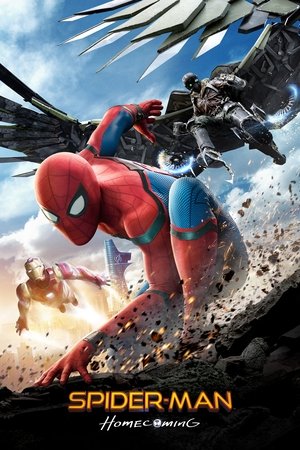
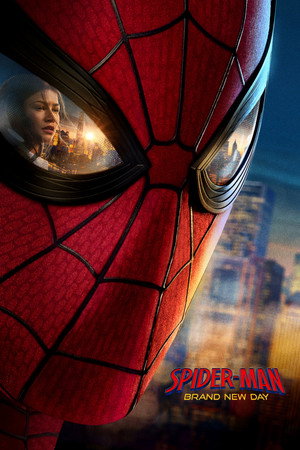
The Spider-Man (MCU) collection is a trilogy of superhero films centered on Peter Parker, a teenage superhero navigating the complexities of adolescence within the larger Marvel Cinematic Universe. Produced by Marvel Studios and distributed by Sony Pictures Releasing, the series marks the character's integration into the MCU following a landmark agreement between the two studios. The films follow Peter as he balances high school life with his secret identity, mentored by Tony Stark, and gradually confronts threats that escalate from local menaces to multiverse-shattering crises. This collection is defined by its coming-of-age narrative, blending the spectacle of superhero action with the relatable struggles of youth, friendship, and responsibility.
The trilogy explores Peter's evolution from an eager, inexperienced hero seeking approval to a self-reliant figure who understands the weight of his choices. Thematically, it grapples with identity, loss, and the consequences of living a double life, all while maintaining a light, humorous tone characteristic of the MCU's Spider-Man. The films are deeply interconnected with the broader MCU, with events from other films directly impacting Peter's journey, and his actions, in turn, sending ripples through the shared universe. This interconnectedness culminates in a narrative that not only honors the legacy of previous Spider-Man adaptations but also expands the possibilities of the character within a vast, interconnected superhero landscape.
Culturally, the collection has been a significant commercial and critical success, revitalizing the Spider-Man film brand for a new generation. It successfully reintroduced the character without retelling his origin story, instead focusing on his growth within an already established world of heroes. The trilogy's blend of high school comedy, heartfelt drama, and large-scale superhero action resonated with audiences, making it a standout within the MCU's sprawling narrative. Its impact is evident in its box office performance and its role in bridging different eras of Spider-Man cinema, creating a unique, celebratory event for fans.
The legacy of this collection lies in its innovative approach to a well-known character, proving that a fresh perspective can reinvigorate even the most familiar stories. By embedding Spider-Man firmly within the MCU, the trilogy allowed for character dynamics and plot developments impossible in a standalone series, while still delivering a deeply personal arc for Peter Parker. It stands as a testament to collaborative studio filmmaking and a defining chapter in the ongoing story of one of pop culture's most enduring heroes.
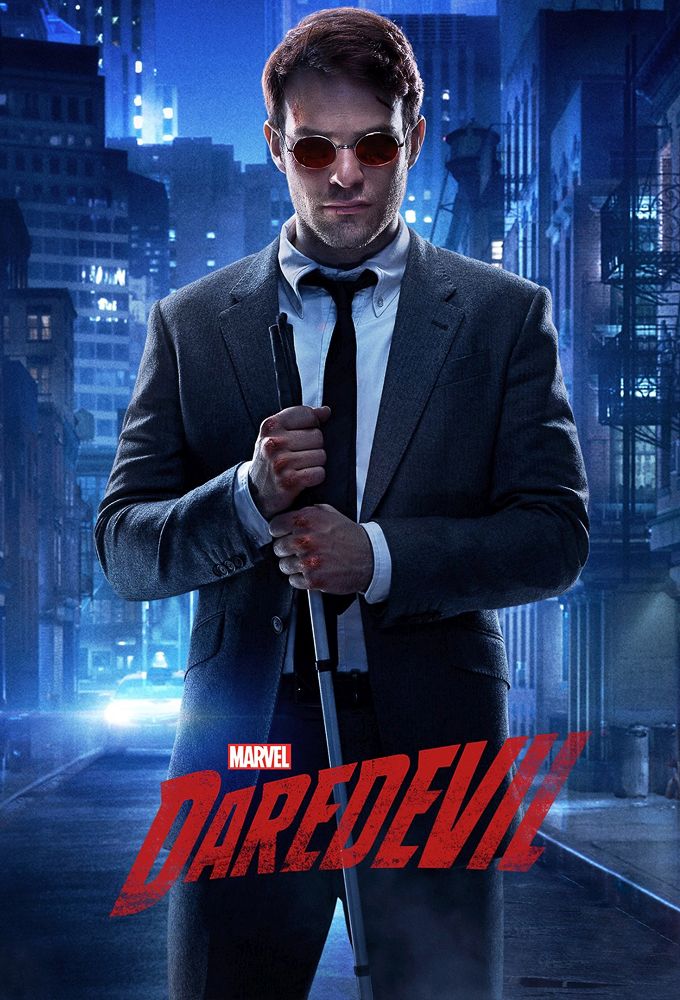
The grouping titled "Marvel's The Punisher" is a misnomer, as the provided members consist solely of two television series centered on the character Daredevil: "Marvel's Daredevil" (2015) and "Daredevil: Born Again" (2025). This collection represents the live-action television adaptations of the Marvel Comics hero Daredevil, also known as Matt Murdock, a blind lawyer who fights crime as a vigilante in Hell's Kitchen, New York. The narrative is grounded in street-level crime, legal drama, and the protagonist's internal struggle between his Catholic faith and his violent methods.
The original series, "Marvel's Daredevil," was a critical and commercial success that helped launch the darker, more mature corner of the Marvel Cinematic Universe on Netflix. It was praised for its complex characters, brutal fight choreography, and exploration of systemic corruption. "Daredevil: Born Again" serves as a revival and continuation, integrating the character more directly into the broader Marvel Studios continuity while retaining the core themes of redemption and justice.
As a duology of television series, this collection is defined by its focus on a single, deeply flawed hero navigating a morally ambiguous world. The shows are connected by their shared protagonist, supporting cast, and a consistent tone that emphasizes the human cost of vigilantism. The grouping does not constitute a franchise in the commercial sense but rather a serialized narrative arc that has evolved across different platforms and production eras.
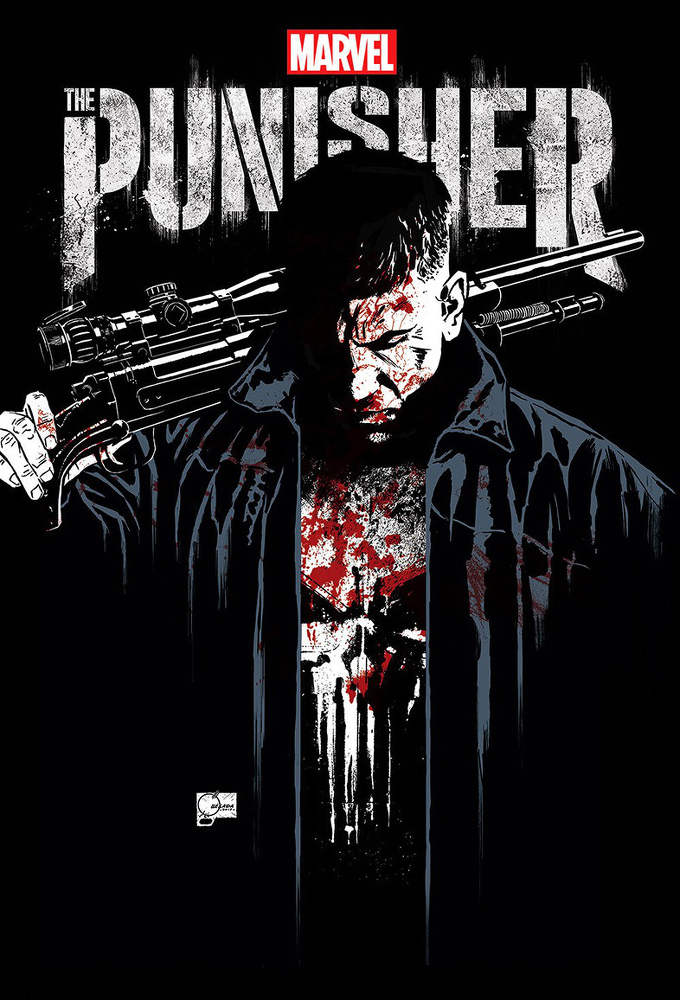
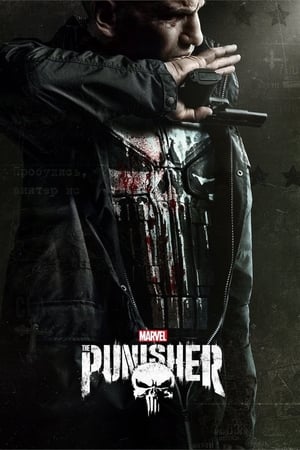
Marvel's The Punisher is a collection of live-action television series centered on Frank Castle, a former Marine turned relentless vigilante who wages a one-man war on crime after the murder of his family. Originating within the darker, street-level corner of the Marvel universe, this grouping explores the psychological and moral consequences of vengeance without superpowers, focusing on raw, visceral storytelling. The character first appeared in live-action form as a guest in the series Marvel's Daredevil, where his lethal methods created a stark philosophical contrast with the titular hero's no-kill code, before spinning off into his own standalone series, Marvel's The Punisher.
The collection delves deeply into themes of trauma, grief, and the cyclical nature of violence, portraying Castle not as a traditional hero but as a fractured antihero whose crusade is as much a personal damnation as it is a mission. The narrative examines how the iconic skull emblem serves both as a weapon of intimidation and a permanent scar on Castle's psyche. Through its interconnected stories, the series builds a grim, character-driven saga that prioritizes emotional weight over spectacle, grounding its action in the real-world aftermath of military service and loss.
Later entries, including the film The Punisher: One Last Kill, continue to follow Castle's bloody path, expanding the mythology while maintaining the core focus on a man who has nothing left to lose. The grouping's evolution from a supporting role in Daredevil to a headlining presence reflects a broader cultural appetite for morally complex protagonists operating outside conventional heroism. Though modest in size, this collection offers a cohesive and intense exploration of justice stripped of idealism, set against the backdrop of a shared universe that rarely sees such unflinching brutality.