🎬 Captain Marvel (2019)
Part of Captain Marvel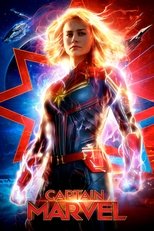
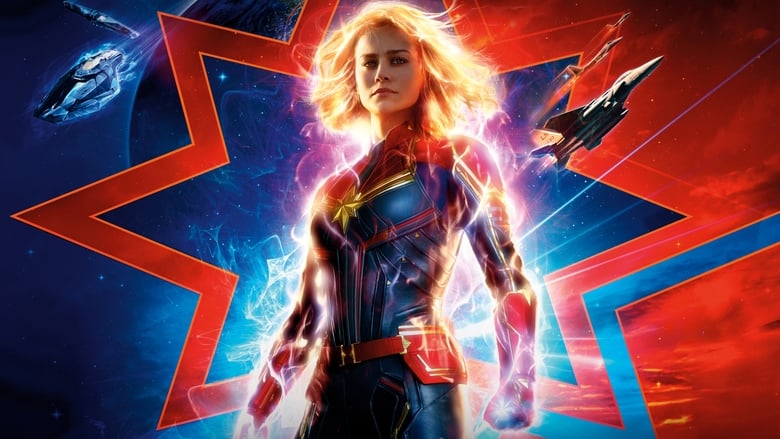
Captain Marvel soared into theaters in 2019 as the Marvel Cinematic Universe's first female-led solo superhero film, introducing Brie Larson as Carol Danvers, a former U.S. Air Force pilot who becomes one of the most powerful heroes in the galaxy. Directed by Anna Boden and Ryan Fleck, the film cleverly unfolds as a 1990s period piece, complete with Blockbuster Video stores, Nine Inch Nails T-shirts, and a de-aged Samuel L. Jackson as a younger, two-eyed Nick Fury. The story follows Carol, known as 'Vers' to her Kree Starforce team, as she uncovers her true human identity and the suppressed memories of her past on Earth, all while caught in the middle of the Kree-Skrull War.
The film draws heavily from the comics but makes significant changes to Carol's origin. In the source material, Carol Danvers gains her powers after being caught in an explosion of a Kree Psyche-Magnitron device, which fuses her DNA with that of the original Captain Marvel, Mar-Vell. The MCU reimagines this by making Mar-Vell a female scientist (played by Annette Bening) who creates an experimental light-speed engine powered by the Tesseract, and Carol absorbs its energy while destroying it to keep it from Kree hands. The Skrulls, traditionally portrayed as villainous shape-shifters in the comics, are given a sympathetic twist as refugees seeking a home, a subversion that surprised longtime comic readers.
Captain Marvel was a massive box office success, grossing over $1.1 billion worldwide, but its release was not without controversy. Review-bombing campaigns targeted the film on sites like Rotten Tomatoes before its release, fueled by online backlash against Larson's comments about diversity in film criticism. Despite this, the film received generally positive reviews, with praise for Larson's performance, the 1990s nostalgia, and the dynamic between Carol and Fury. The film also introduced Goose the cat—actually a Flerken, an alien creature with tentacles and pocket dimensions inside its mouth—who became an instant fan-favorite and scene-stealer.
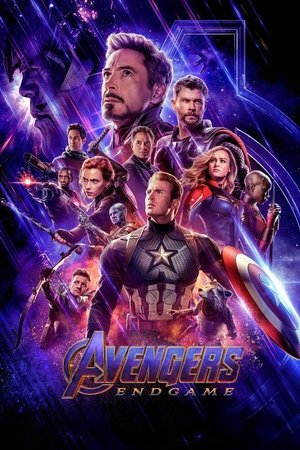
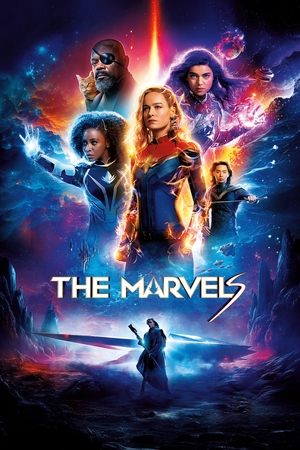
The character of Captain Marvel was positioned as a cornerstone of the MCU's future, with Avengers: Endgame released just weeks later featuring Carol as a key player in the battle against Thanos. The film's mid-credits scene directly tied into Endgame, showing Carol responding to Fury's pager signal. A sequel, The Marvels, was released in 2023, teaming Carol with Monica Rambeau (introduced as a child in the first film) and Kamala Khan, the young hero from the Ms. Marvel Disney+ series.
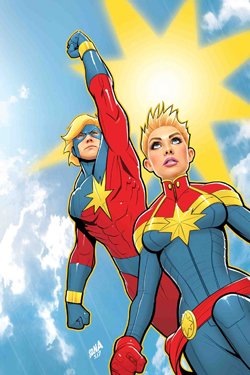
Captain Marvel is a superhero identity used by several characters in American comic books published by Marvel Comics. The original Captain Marvel was created by writer-editor Stan Lee and artist Gene Colan, first appearing in Marvel Super-Heroes #12 in December 1967, with his own series launching in 1968. This character was a male alien Kree soldier named Mar-Vell, sent to Earth as a spy who eventually becomes its protector. The mantle has since been held by several other characters, most notably Carol Danvers, who first appeared as an Air Force officer and colleague of Mar-Vell in 1968's Marvel Super-Heroes #13. Carol Danvers gained superhuman powers after being caught in the explosion of a Kree device, becoming the superhero Ms. Marvel in 1977. Decades later, in 2012, writer Kelly Sue DeConnick re-branded the character as Captain Marvel, giving her a new costume and a higher profile within the Marvel Universe. The character has become a symbol of female empowerment in superhero comics, leading the Avengers and representing Marvel's commitment to diverse heroes.
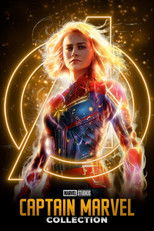
The Captain Marvel film series centers on Carol Danvers, a former U.S. Air Force pilot who becomes one of the most powerful heroes in the Marvel Cinematic Universe. The narrative explores her journey of self-discovery, as she reclaims her human identity after being manipulated into serving an alien empire. Themes of memory, identity, and empowerment are central to her story, which unfolds across cosmic and Earth-bound settings.
The series is notable for bringing the Marvel Cinematic Universe's first female-led solo film to the screen, marking a significant step in the franchise's expansion. It blends 1990s nostalgia with high-stakes interstellar conflict, introducing the shape-shifting Skrulls and the militaristic Kree into the broader narrative tapestry. The visual style combines grounded character moments with spectacular displays of cosmic power.
As a collection, these films contribute to the larger Marvel Cinematic Universe by establishing Captain Marvel as a pivotal force capable of shifting the balance of power in galactic conflicts. The character's immense abilities and her connections to both Earth and the wider cosmos position her as a bridge between terrestrial heroes and cosmic-level threats.
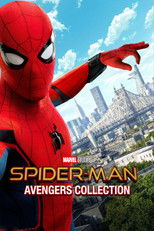
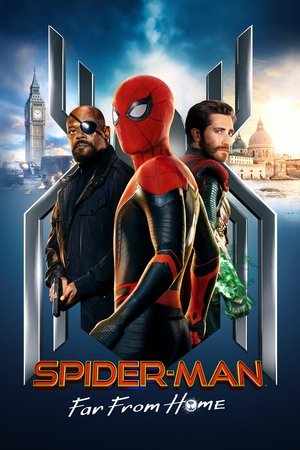
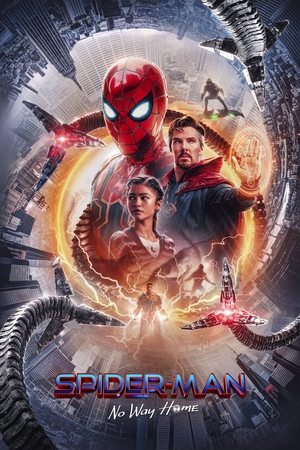
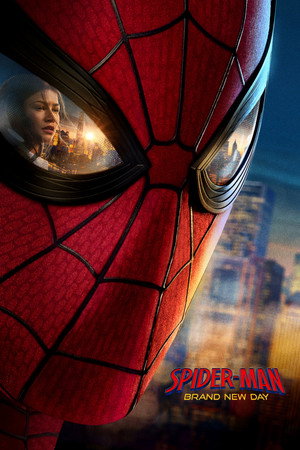
The Spider-Man (MCU) collection is a trilogy of superhero films centered on Peter Parker, a teenage superhero navigating the complexities of adolescence within the larger Marvel Cinematic Universe. Produced by Marvel Studios and distributed by Sony Pictures Releasing, the series marks the character's integration into the MCU following a landmark agreement between the two studios. The films follow Peter as he balances high school life with his secret identity, mentored by Tony Stark, and gradually confronts threats that escalate from local menaces to multiverse-shattering crises. This collection is defined by its coming-of-age narrative, blending the spectacle of superhero action with the relatable struggles of youth, friendship, and responsibility.
The trilogy explores Peter's evolution from an eager, inexperienced hero seeking approval to a self-reliant figure who understands the weight of his choices. Thematically, it grapples with identity, loss, and the consequences of living a double life, all while maintaining a light, humorous tone characteristic of the MCU's Spider-Man. The films are deeply interconnected with the broader MCU, with events from other films directly impacting Peter's journey, and his actions, in turn, sending ripples through the shared universe. This interconnectedness culminates in a narrative that not only honors the legacy of previous Spider-Man adaptations but also expands the possibilities of the character within a vast, interconnected superhero landscape.
Culturally, the collection has been a significant commercial and critical success, revitalizing the Spider-Man film brand for a new generation. It successfully reintroduced the character without retelling his origin story, instead focusing on his growth within an already established world of heroes. The trilogy's blend of high school comedy, heartfelt drama, and large-scale superhero action resonated with audiences, making it a standout within the MCU's sprawling narrative. Its impact is evident in its box office performance and its role in bridging different eras of Spider-Man cinema, creating a unique, celebratory event for fans.
The legacy of this collection lies in its innovative approach to a well-known character, proving that a fresh perspective can reinvigorate even the most familiar stories. By embedding Spider-Man firmly within the MCU, the trilogy allowed for character dynamics and plot developments impossible in a standalone series, while still delivering a deeply personal arc for Peter Parker. It stands as a testament to collaborative studio filmmaking and a defining chapter in the ongoing story of one of pop culture's most enduring heroes.