📺 Marvel's Agents of S.H.I.E.L.D. (2013)
Part of Marvel Cinematic Universe (MCU)
When "Marvel's Agents of S.H.I.E.L.D." premiered in 2013, it faced a unique challenge: building a weekly television series around an organization that, in the comics, is often a supporting player to the superheroes themselves. The show’s masterstroke was centering its narrative on Agent Phil Coulson, a character resurrected from his dramatic death in "The Avengers," and surrounding him with a new team of specialists who were not pulled directly from the four-color page. This allowed the series to explore the human cost and bureaucratic machinery behind the cinematic spectacle, transforming the vast intelligence agency into a story about a scrappy, underdog family operating from the shadows of gods and monsters.
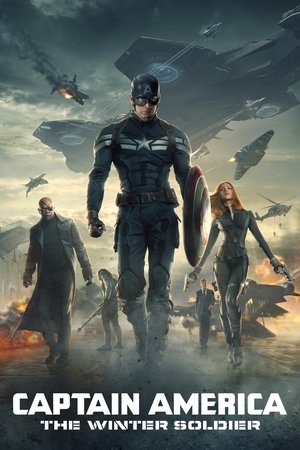
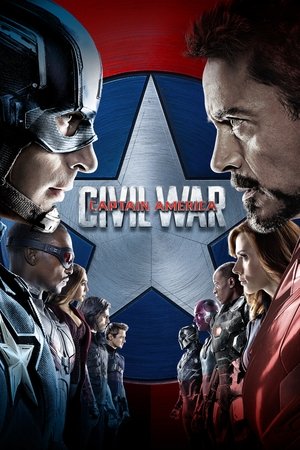
The series’ relationship with its source material is one of inspired reinvention rather than direct adaptation. While the comics provide the iconic Helicarrier, the Hydra infiltration, and the agency's acronym, the show repurposed these elements to serve its own long-form storytelling. The most seismic shift came with the tie-in to "Captain America: The Winter Soldier," which revealed that Hydra had been secretly growing inside S.H.I.E.L.D. for decades. This narrative bomb not only shattered the agency but also fundamentally altered the show’s DNA, forcing the team to become fugitives and proving that the series could react to and enrich the larger Marvel Cinematic Universe in real-time, a feat no other television show had attempted on that scale.
As the series progressed, it delved deeper into Marvel lore, introducing the Inhumans as a way to explore superpowered individuals without the A-list Avengers, and later embracing wildly ambitious concepts like Life Model Decoys, time travel, and a virtual reality framework. These later seasons saw the show drift further from its grounded, spy-thriller roots into full-blown science fiction, a move that divided some viewers but allowed for a creative freedom unshackled from the strict continuity of the films. The introduction of Ghost Rider and the journey into a dystopian future in season five demonstrated a willingness to take bold swings that the comics themselves often take between different creative runs.
Ultimately, "Agents of S.H.I.E.L.D." carved out its own legacy by proving that the quiet, competent agents in the background could carry a story just as compelling as the heroes in the spotlight. It took the Cold War espionage template of the 1965 comic and evolved it for a modern audience, focusing on themes of found family, identity, and the moral compromises of spycraft. While it began as a show that many watched to spot connections to the movies, it ended as a beloved, self-contained saga that had built its own rich mythology, earning a dedicated fanbase that championed its heart, humor, and the unbreakable bond of its core team.

S.H.I.E.L.D., which stands for Strategic Homeland Intervention, Enforcement and Logistics Division, is a fictional espionage and intelligence agency in the Marvel Comics universe. It first appeared in Strange Tales #135 in 1965, created by writer Stan Lee and artist Jack Kirby. The organization serves as a peacekeeping force tasked with protecting Earth from superhuman threats, advanced technology, and global dangers in a world populated by superheroes and villains.
Led by director Nick Fury, S.H.I.E.L.D. employs highly trained agents, advanced weaponry, and specialized divisions like the Howling Commandos and H.A.M.M.E.R. The agency's operations often intersect with the Avengers, Fantastic Four, and other heroes, combating organizations such as Hydra and A.I.M. Its premise explores themes of government oversight in a superpowered world, covert operations, and the moral ambiguities of espionage. Iconic elements include the Helicarrier, a massive flying aircraft carrier that symbolizes the agency's technological prowess.
S.H.I.E.L.D. has become one of Marvel's cornerstone organizations, appearing in thousands of comic issues across decades. Its enduring legacy lies in embodying Cold War-era spy thriller tropes adapted to superhero narratives, influencing countless stories and establishing a template for institutional heroes in comics.
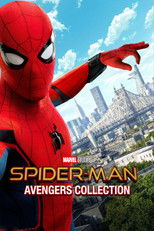
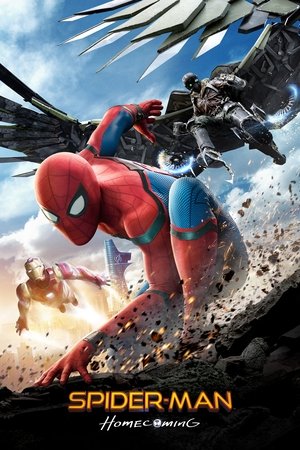
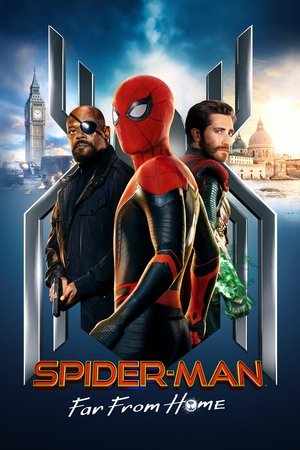
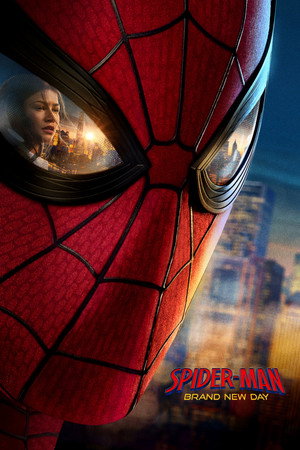
The Spider-Man (MCU) collection is a trilogy of superhero films centered on Peter Parker, a teenage superhero navigating the complexities of adolescence within the larger Marvel Cinematic Universe. Produced by Marvel Studios and distributed by Sony Pictures Releasing, the series marks the character's integration into the MCU following a landmark agreement between the two studios. The films follow Peter as he balances high school life with his secret identity, mentored by Tony Stark, and gradually confronts threats that escalate from local menaces to multiverse-shattering crises. This collection is defined by its coming-of-age narrative, blending the spectacle of superhero action with the relatable struggles of youth, friendship, and responsibility.
The trilogy explores Peter's evolution from an eager, inexperienced hero seeking approval to a self-reliant figure who understands the weight of his choices. Thematically, it grapples with identity, loss, and the consequences of living a double life, all while maintaining a light, humorous tone characteristic of the MCU's Spider-Man. The films are deeply interconnected with the broader MCU, with events from other films directly impacting Peter's journey, and his actions, in turn, sending ripples through the shared universe. This interconnectedness culminates in a narrative that not only honors the legacy of previous Spider-Man adaptations but also expands the possibilities of the character within a vast, interconnected superhero landscape.
Culturally, the collection has been a significant commercial and critical success, revitalizing the Spider-Man film brand for a new generation. It successfully reintroduced the character without retelling his origin story, instead focusing on his growth within an already established world of heroes. The trilogy's blend of high school comedy, heartfelt drama, and large-scale superhero action resonated with audiences, making it a standout within the MCU's sprawling narrative. Its impact is evident in its box office performance and its role in bridging different eras of Spider-Man cinema, creating a unique, celebratory event for fans.
The legacy of this collection lies in its innovative approach to a well-known character, proving that a fresh perspective can reinvigorate even the most familiar stories. By embedding Spider-Man firmly within the MCU, the trilogy allowed for character dynamics and plot developments impossible in a standalone series, while still delivering a deeply personal arc for Peter Parker. It stands as a testament to collaborative studio filmmaking and a defining chapter in the ongoing story of one of pop culture's most enduring heroes.