🎬 Captain America: Civil War (2016)
Part of Marvel Cinematic Universe (MCU)
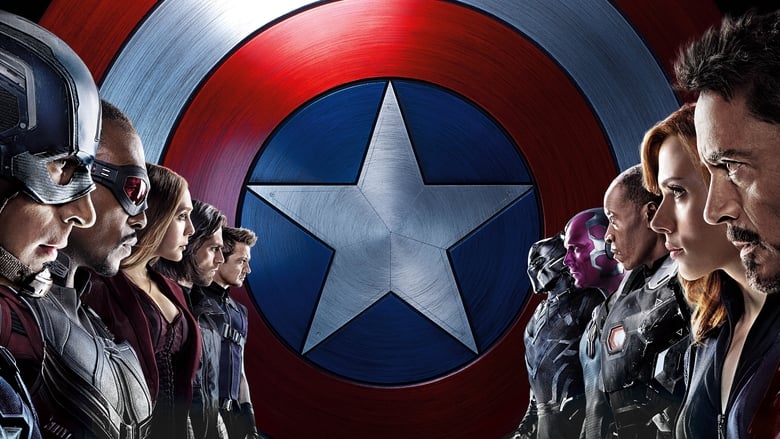
Captain America: Civil War is the 2016 culmination of the Captain America trilogy within the Marvel Cinematic Universe, directed by Anthony and Joe Russo. The film adapts the core ideological conflict of Marvel's 2006 "Civil War" comic book crossover while grounding it in the established MCU continuity. Instead of the Superhuman Registration Act, the film's catalyst is the Sokovia Accords, a UN-driven response to the collateral damage caused by the Avengers in previous films. The story pits Steve Rogers, who distrusts government oversight after the fall of S.H.I.E.L.D., against Tony Stark, who is driven by guilt and a desire for accountability.
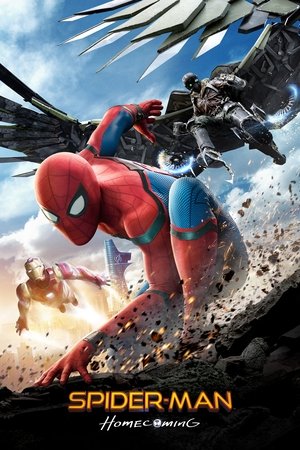
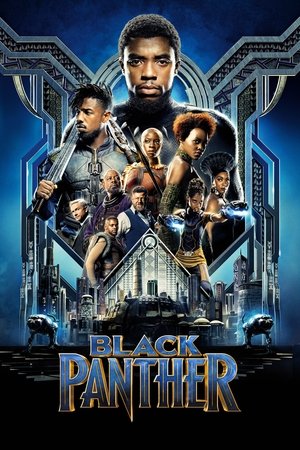
The film streamlines the sprawling comic event by focusing the conflict on the personal relationship between Rogers and Stark, and by introducing key new MCU characters Black Panther and Spider-Man into the fray. The central airport battle in Germany, a sequence famously shot partially with IMAX digital cameras, became an instant fan-favorite for its inventive hero-on-hero matchups and the debut of Tom Holland's Spider-Man. The movie also serves as a backdoor pilot of sorts for Black Panther, introducing Wakanda and Chadwick Boseman's T'Challa before his solo film.
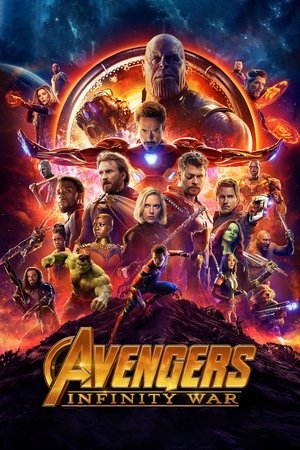
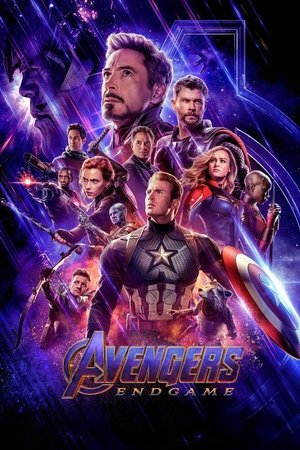
Where the comic ended with Captain America's assassination, the film takes a different path: Rogers survives but abandons his shield and goes underground, leaving the Avengers fractured. This ending directly set the stage for Avengers: Infinity War and Endgame, making Civil War one of the most consequential entries in the entire MCU saga. The film was both a critical and commercial smash, grossing over $1.1 billion worldwide and being praised for its balance of spectacle, character drama, and thematic weight.

"Civil War" is a 2006–2007 Marvel Comics crossover storyline written by Mark Millar and penciled by Steve McNiven. The seven-issue limited series, along with numerous tie-in books, centers on a conflict that fractures the superhero community after a catastrophic incident involving the New Warriors leads to the passage of the Superhuman Registration Act. The act requires all superpowered individuals to register their identities with the government and become licensed agents, pitting those who support the legislation, led by Iron Man, against those who oppose it on civil liberties grounds, led by Captain America.
The event was one of Marvel's most commercially successful and culturally impactful storylines of the 2000s, sparking debate among fans about security versus freedom. It explored complex moral questions, with neither side presented as entirely right or wrong, and its consequences reverberated through the Marvel Universe for years, including the death of Captain America and the restructuring of the Avengers. The storyline's central ideological clash and its large-scale hero-versus-hero battles made it a landmark in modern superhero comics.
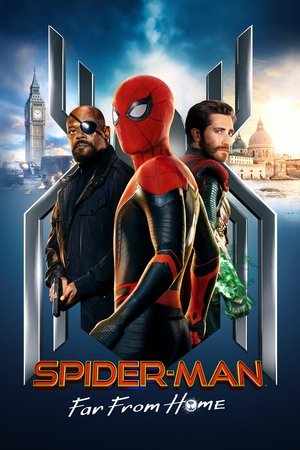
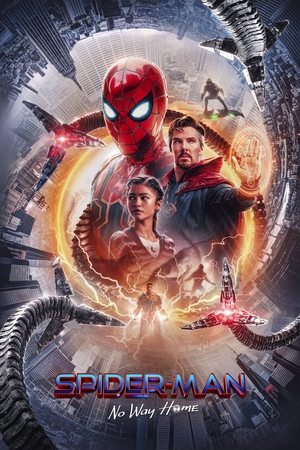
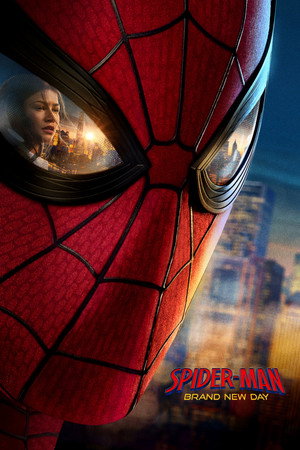
The Spider-Man (MCU) collection is a trilogy of superhero films centered on Peter Parker, a teenage superhero navigating the complexities of adolescence within the larger Marvel Cinematic Universe. Produced by Marvel Studios and distributed by Sony Pictures Releasing, the series marks the character's integration into the MCU following a landmark agreement between the two studios. The films follow Peter as he balances high school life with his secret identity, mentored by Tony Stark, and gradually confronts threats that escalate from local menaces to multiverse-shattering crises. This collection is defined by its coming-of-age narrative, blending the spectacle of superhero action with the relatable struggles of youth, friendship, and responsibility.
The trilogy explores Peter's evolution from an eager, inexperienced hero seeking approval to a self-reliant figure who understands the weight of his choices. Thematically, it grapples with identity, loss, and the consequences of living a double life, all while maintaining a light, humorous tone characteristic of the MCU's Spider-Man. The films are deeply interconnected with the broader MCU, with events from other films directly impacting Peter's journey, and his actions, in turn, sending ripples through the shared universe. This interconnectedness culminates in a narrative that not only honors the legacy of previous Spider-Man adaptations but also expands the possibilities of the character within a vast, interconnected superhero landscape.
Culturally, the collection has been a significant commercial and critical success, revitalizing the Spider-Man film brand for a new generation. It successfully reintroduced the character without retelling his origin story, instead focusing on his growth within an already established world of heroes. The trilogy's blend of high school comedy, heartfelt drama, and large-scale superhero action resonated with audiences, making it a standout within the MCU's sprawling narrative. Its impact is evident in its box office performance and its role in bridging different eras of Spider-Man cinema, creating a unique, celebratory event for fans.
The legacy of this collection lies in its innovative approach to a well-known character, proving that a fresh perspective can reinvigorate even the most familiar stories. By embedding Spider-Man firmly within the MCU, the trilogy allowed for character dynamics and plot developments impossible in a standalone series, while still delivering a deeply personal arc for Peter Parker. It stands as a testament to collaborative studio filmmaking and a defining chapter in the ongoing story of one of pop culture's most enduring heroes.
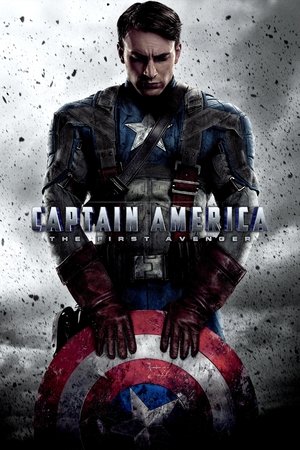
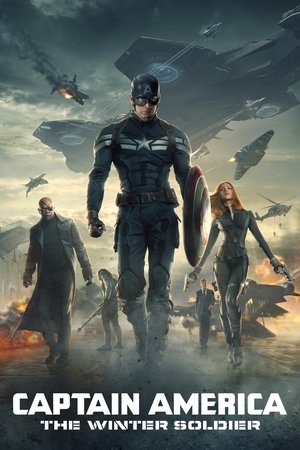
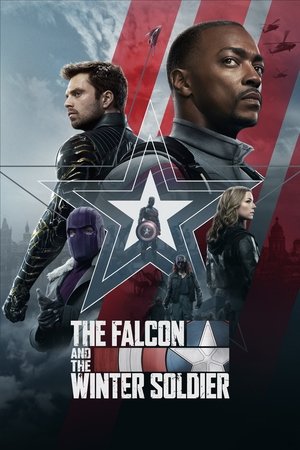
The Captain America film series is a collection of superhero films within the Marvel Cinematic Universe, centered on the character Steve Rogers, a World War II-era super-soldier who becomes the iconic hero Captain America. The series explores his origins, his struggle to adapt to the modern world after being frozen in ice, and his evolving role as a moral compass and leader among the Avengers. The narrative spans decades, beginning with his fight against Hydra in the 1940s and continuing into contemporary conflicts involving espionage, government oversight, and personal loyalties. The series also extends to television with the series The Falcon and the Winter Soldier, which deals with the legacy of the Captain America mantle after Steve Rogers' retirement. Overarching themes include patriotism versus nationalism, the nature of freedom, the cost of war, and the enduring power of friendship and integrity. The series is known for blending genres, from the period war adventure of the first installment to the paranoid political thriller tone of its sequels, while maintaining a strong character-driven focus. Culturally, the Captain America films have been significant for their commentary on American identity and security in the 21st century, often sparking discussion about the balance between liberty and control. The series has been both critically acclaimed and commercially successful, solidifying Chris Evans' portrayal as a defining interpretation of the character and leaving a lasting impact on superhero cinema.