📺 Marvel's The Punisher (2017)
Part of Marvel Cinematic Universe (MCU)
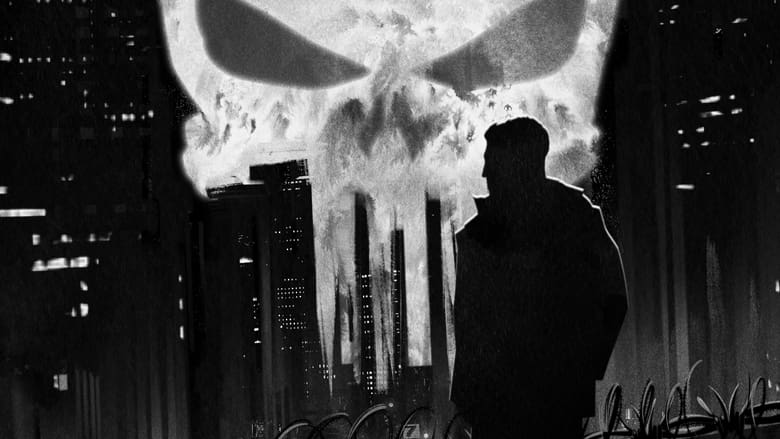
Marvel's The Punisher arrived on Netflix in November 2017 as a spin-off from Daredevil, where Jon Bernthal's intense, wounded portrayal of Frank Castle had already made a seismic impression. Created by Steve Lightfoot, the series strips away the broader Marvel Cinematic Universe's super-powered spectacle to focus on a raw, grounded exploration of trauma, military corruption, and the psychological cost of violence. Bernthal's Castle is a man hollowed out by grief, whose quest for vengeance against those who murdered his family expands into a reckoning with the systems that create and protect such men.
The character first appeared in The Amazing Spider-Man #129 in 1974, created by Gerry Conway, John Romita Sr., and Ross Andru. Originally a one-off antagonist hired to kill Spider-Man, the Punisher's stark visual design — a black costume with a white skull — and his lethal, no-compromise approach resonated with readers in the morally ambiguous post-Vietnam era. Over the following decades, Frank Castle evolved from a supporting villain into one of Marvel's most popular and controversial antiheroes, headlining multiple solo series and crossing paths with nearly every major character in the Marvel universe, from Daredevil to Wolverine.
The Netflix adaptation makes significant changes while honoring the character's brutal essence. The series invents a military backstory involving a covert death squad in Afghanistan, expanding Castle's origin beyond the simple mob hit of the comics. Ben Barnes plays Billy Russo, a reinvention of the comic villain Jigsaw, here reimagined as Castle's former best friend and brother-in-arms whose betrayal cuts deeper than any physical wound. The show also incorporates the Punisher's comic-book ally Microchip, played by Ebon Moss-Bachrach, transforming him from a portly hacker into a paranoid former NSA analyst with a complicated family life. The second season introduces the character of John Pilgrim and adapts elements from the comics' "Suicide Run" and "The Slavers" storylines.
Marvel's The Punisher ran for two seasons before Netflix cancelled all its Marvel series as Disney prepared to launch its own streaming platform. The show's unflinching depiction of gun violence and its appropriation of the Punisher skull by real-world military and law enforcement sparked considerable debate during its run. Bernthal's performance was universally praised for bringing unexpected vulnerability and humanity to a character often dismissed as a one-dimensional killing machine, cementing this iteration as a definitive screen portrayal.

The Punisher is a fictional antihero appearing in American comic books published by Marvel Comics. The character was created by writer Gerry Conway and artists John Romita Sr. and Ross Andru, making his first appearance in The Amazing Spider-Man #129 in February 1974. Originally introduced as an antagonist and assassin hunting Spider-Man, the Punisher's striking skull emblem and uncompromising lethality quickly captured reader interest.
Frank Castle is a former United States Marine who turns to a one-man war on crime after his wife and two children are murdered by the mob for witnessing a gangland execution. Unlike most Marvel heroes, the Punisher has no superpowers; he relies on his extensive military training, tactical genius, and a vast arsenal of weaponry. His methods are brutal and permanent — he kills criminals without hesitation, a moral absolutism that sets him apart from traditional superheroes and often puts him in conflict with them.
The character's popularity surged in the late 1980s and early 1990s, leading to multiple ongoing series, graphic novels, and crossovers. The Punisher has been reinterpreted through various lenses over the decades — as a supernatural avenger, a Frankenstein-like resurrected monster, and a grounded vigilante — but the core remains a deeply traumatized man waging an endless, personal war. His skull symbol has transcended comics to become a controversial icon in military and law enforcement culture, a phenomenon the creators have publicly criticized.
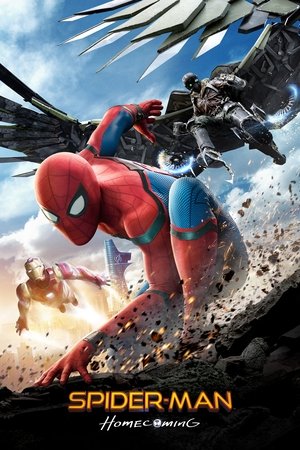
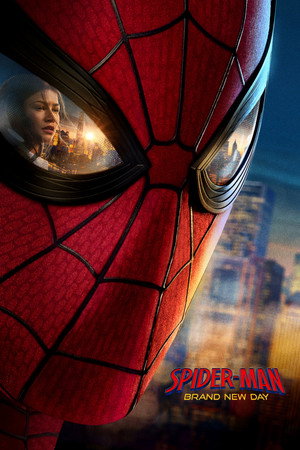
The Spider-Man (MCU) collection is a trilogy of superhero films centered on Peter Parker, a teenage superhero navigating the complexities of adolescence within the larger Marvel Cinematic Universe. Produced by Marvel Studios and distributed by Sony Pictures Releasing, the series marks the character's integration into the MCU following a landmark agreement between the two studios. The films follow Peter as he balances high school life with his secret identity, mentored by Tony Stark, and gradually confronts threats that escalate from local menaces to multiverse-shattering crises. This collection is defined by its coming-of-age narrative, blending the spectacle of superhero action with the relatable struggles of youth, friendship, and responsibility.
The trilogy explores Peter's evolution from an eager, inexperienced hero seeking approval to a self-reliant figure who understands the weight of his choices. Thematically, it grapples with identity, loss, and the consequences of living a double life, all while maintaining a light, humorous tone characteristic of the MCU's Spider-Man. The films are deeply interconnected with the broader MCU, with events from other films directly impacting Peter's journey, and his actions, in turn, sending ripples through the shared universe. This interconnectedness culminates in a narrative that not only honors the legacy of previous Spider-Man adaptations but also expands the possibilities of the character within a vast, interconnected superhero landscape.
Culturally, the collection has been a significant commercial and critical success, revitalizing the Spider-Man film brand for a new generation. It successfully reintroduced the character without retelling his origin story, instead focusing on his growth within an already established world of heroes. The trilogy's blend of high school comedy, heartfelt drama, and large-scale superhero action resonated with audiences, making it a standout within the MCU's sprawling narrative. Its impact is evident in its box office performance and its role in bridging different eras of Spider-Man cinema, creating a unique, celebratory event for fans.
The legacy of this collection lies in its innovative approach to a well-known character, proving that a fresh perspective can reinvigorate even the most familiar stories. By embedding Spider-Man firmly within the MCU, the trilogy allowed for character dynamics and plot developments impossible in a standalone series, while still delivering a deeply personal arc for Peter Parker. It stands as a testament to collaborative studio filmmaking and a defining chapter in the ongoing story of one of pop culture's most enduring heroes.
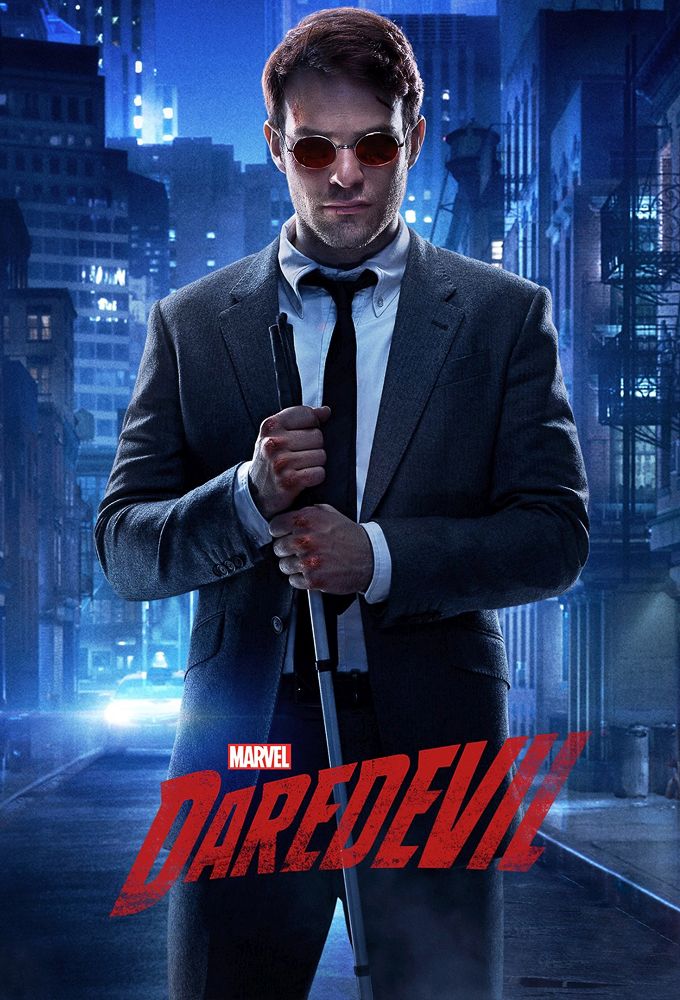
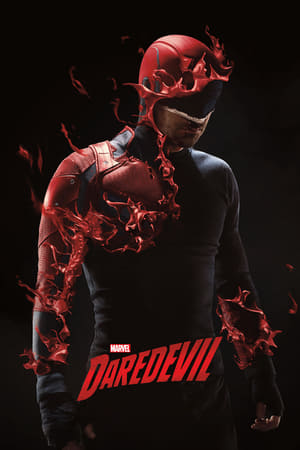
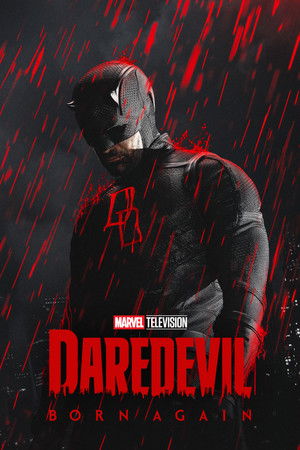
The grouping titled "Marvel's The Punisher" is a misnomer, as the provided members consist solely of two television series centered on the character Daredevil: "Marvel's Daredevil" (2015) and "Daredevil: Born Again" (2025). This collection represents the live-action television adaptations of the Marvel Comics hero Daredevil, also known as Matt Murdock, a blind lawyer who fights crime as a vigilante in Hell's Kitchen, New York. The narrative is grounded in street-level crime, legal drama, and the protagonist's internal struggle between his Catholic faith and his violent methods.
The original series, "Marvel's Daredevil," was a critical and commercial success that helped launch the darker, more mature corner of the Marvel Cinematic Universe on Netflix. It was praised for its complex characters, brutal fight choreography, and exploration of systemic corruption. "Daredevil: Born Again" serves as a revival and continuation, integrating the character more directly into the broader Marvel Studios continuity while retaining the core themes of redemption and justice.
As a duology of television series, this collection is defined by its focus on a single, deeply flawed hero navigating a morally ambiguous world. The shows are connected by their shared protagonist, supporting cast, and a consistent tone that emphasizes the human cost of vigilantism. The grouping does not constitute a franchise in the commercial sense but rather a serialized narrative arc that has evolved across different platforms and production eras.
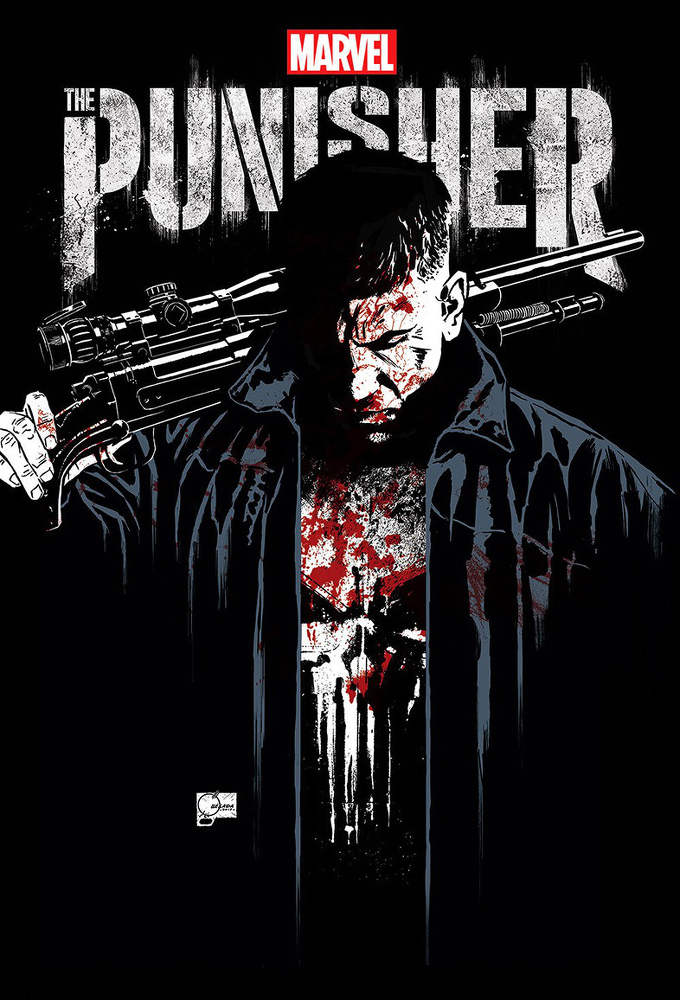
Marvel's The Punisher is a collection of live-action television series centered on Frank Castle, a former Marine turned relentless vigilante who wages a one-man war on crime after the murder of his family. Originating within the darker, street-level corner of the Marvel universe, this grouping explores the psychological and moral consequences of vengeance without superpowers, focusing on raw, visceral storytelling. The character first appeared in live-action form as a guest in the series Marvel's Daredevil, where his lethal methods created a stark philosophical contrast with the titular hero's no-kill code, before spinning off into his own standalone series, Marvel's The Punisher.
The collection delves deeply into themes of trauma, grief, and the cyclical nature of violence, portraying Castle not as a traditional hero but as a fractured antihero whose crusade is as much a personal damnation as it is a mission. The narrative examines how the iconic skull emblem serves both as a weapon of intimidation and a permanent scar on Castle's psyche. Through its interconnected stories, the series builds a grim, character-driven saga that prioritizes emotional weight over spectacle, grounding its action in the real-world aftermath of military service and loss.
Later entries, including the film The Punisher: One Last Kill, continue to follow Castle's bloody path, expanding the mythology while maintaining the core focus on a man who has nothing left to lose. The grouping's evolution from a supporting role in Daredevil to a headlining presence reflects a broader cultural appetite for morally complex protagonists operating outside conventional heroism. Though modest in size, this collection offers a cohesive and intense exploration of justice stripped of idealism, set against the backdrop of a shared universe that rarely sees such unflinching brutality.