🎬 Marvel One-Shot: A Funny Thing Happened on the Way to Thor's Hammer (2011)
Part of Marvel Cinematic Universe (MCU)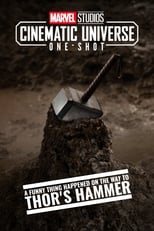
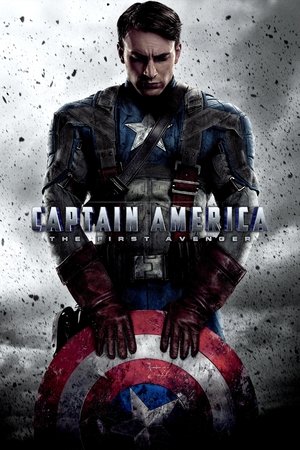
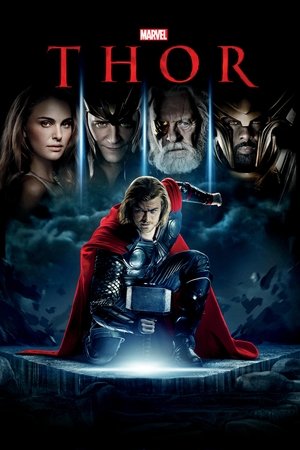
Marvel One-Shot: A Funny Thing Happened on the Way to Thor's Hammer is a 2011 short film produced by Marvel Studios as part of their Marvel One-Shots series of direct-to-video shorts. It was included as a bonus feature on the Blu-ray release of Captain America: The First Avenger. The short is set within the Marvel Cinematic Universe (MCU) and takes place during the events of Thor (2011), specifically filling in a small narrative gap.
The film follows S.H.I.E.L.D. agent Phil Coulson, played by Clark Gregg, as he stops at a gas station convenience store on his way to investigate the discovery of Thor's hammer in New Mexico. What seems like a routine pit stop quickly escalates when two armed robbers enter the store. Coulson, ever the unflappable professional, calmly and efficiently disarms both criminals using his spy training and trademark deadpan demeanor, revealing the quiet competence that made him a fan-favorite character across Phase One of the MCU.
Directed by Leythum and written by Eric Pearson, the short is a small but charming character piece that showcases Coulson's resourcefulness outside the context of world-ending threats. It runs just over four minutes and is notable for being one of the few MCU projects to focus entirely on a non-powered S.H.I.E.L.D. agent. The title is a playful reference to the Stephen Sondheim musical A Funny Thing Happened on the Way to the Forum, while the short itself is an original story not directly adapted from any specific comic book issue, though the character of Phil Coulson and the world of Thor originate from the Marvel Comics created by Stan Lee, Larry Lieber, and Jack Kirby in 1962.

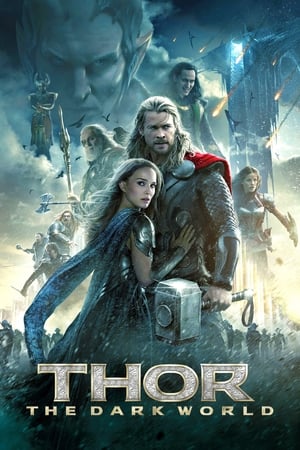
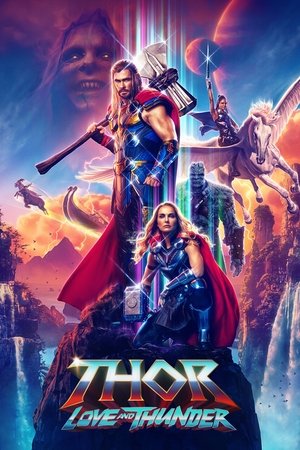
Thor is a superhero appearing in American comic books published by Marvel Comics. The character, based on the Norse mythological god of the same name, was created by writer Stan Lee, scripter Larry Lieber, and artist Jack Kirby. He first appeared in the anthology title Journey into Mystery #83 in August 1962.
The comic follows Thor Odinson, the Asgardian god of thunder, who is cast down to Earth by his father Odin to learn humility. Taking the mortal guise of the lame physician Dr. Donald Blake, Thor wields the enchanted hammer Mjolnir, which grants him the power of flight and weather manipulation. Over the decades, the series has expanded to encompass the Nine Realms, epic cosmic battles, and a rich supporting cast including Loki, Odin, Sif, and the Warriors Three.
Thor quickly became one of Marvel's flagship characters, a founding member of the Avengers, and a cornerstone of the publisher's interconnected universe. The comic has been continuously published in various volumes and has been helmed by legendary creators such as Walt Simonson, whose 1980s run is considered one of the greatest in superhero comics history. The series blends superhero action with high fantasy and Norse mythology, exploring themes of worthiness, duty, and the burden of power.
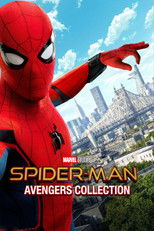
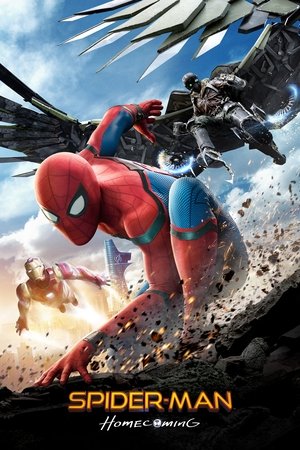
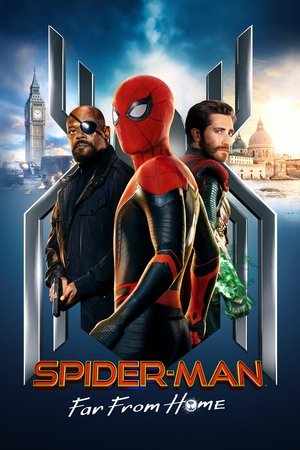
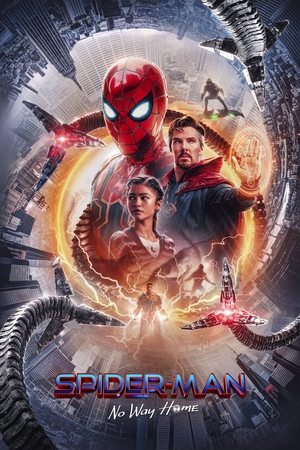
The Spider-Man (MCU) collection is a trilogy of superhero films centered on Peter Parker, a teenage superhero navigating the complexities of adolescence within the larger Marvel Cinematic Universe. Produced by Marvel Studios and distributed by Sony Pictures Releasing, the series marks the character's integration into the MCU following a landmark agreement between the two studios. The films follow Peter as he balances high school life with his secret identity, mentored by Tony Stark, and gradually confronts threats that escalate from local menaces to multiverse-shattering crises. This collection is defined by its coming-of-age narrative, blending the spectacle of superhero action with the relatable struggles of youth, friendship, and responsibility.
The trilogy explores Peter's evolution from an eager, inexperienced hero seeking approval to a self-reliant figure who understands the weight of his choices. Thematically, it grapples with identity, loss, and the consequences of living a double life, all while maintaining a light, humorous tone characteristic of the MCU's Spider-Man. The films are deeply interconnected with the broader MCU, with events from other films directly impacting Peter's journey, and his actions, in turn, sending ripples through the shared universe. This interconnectedness culminates in a narrative that not only honors the legacy of previous Spider-Man adaptations but also expands the possibilities of the character within a vast, interconnected superhero landscape.
Culturally, the collection has been a significant commercial and critical success, revitalizing the Spider-Man film brand for a new generation. It successfully reintroduced the character without retelling his origin story, instead focusing on his growth within an already established world of heroes. The trilogy's blend of high school comedy, heartfelt drama, and large-scale superhero action resonated with audiences, making it a standout within the MCU's sprawling narrative. Its impact is evident in its box office performance and its role in bridging different eras of Spider-Man cinema, creating a unique, celebratory event for fans.
The legacy of this collection lies in its innovative approach to a well-known character, proving that a fresh perspective can reinvigorate even the most familiar stories. By embedding Spider-Man firmly within the MCU, the trilogy allowed for character dynamics and plot developments impossible in a standalone series, while still delivering a deeply personal arc for Peter Parker. It stands as a testament to collaborative studio filmmaking and a defining chapter in the ongoing story of one of pop culture's most enduring heroes.