📺 What If...? (2021)
Part of Marvel Cinematic Universe (MCU)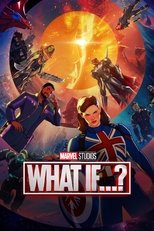
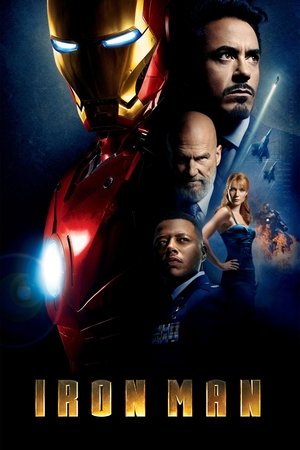
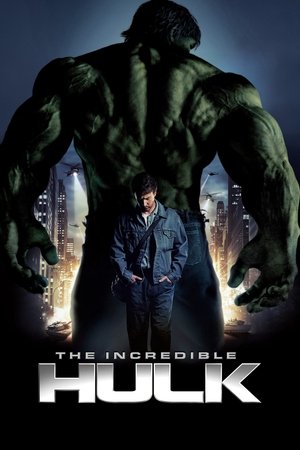
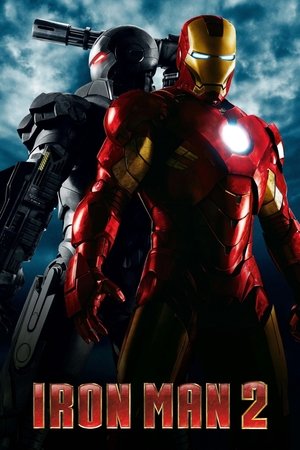
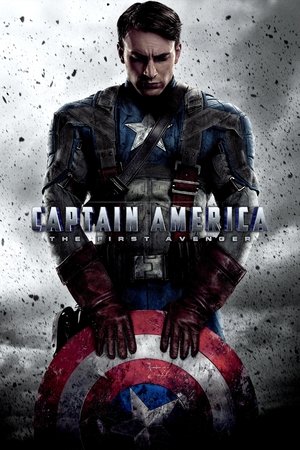
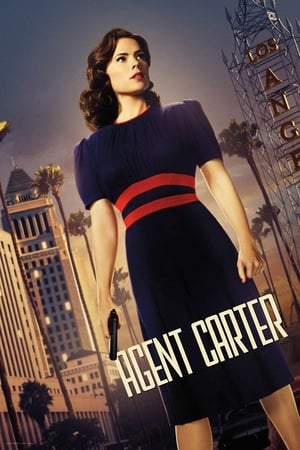
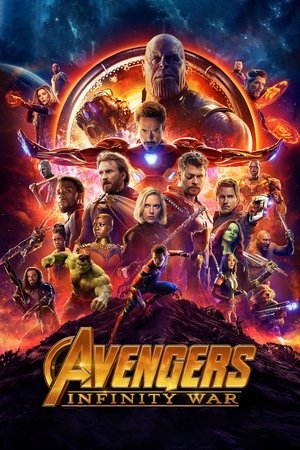
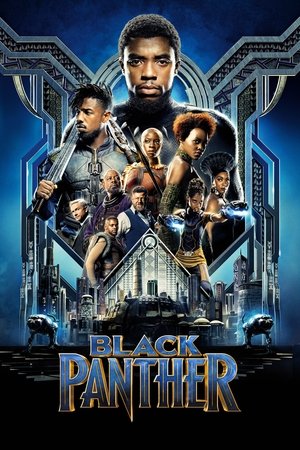
Marvel's What If...? animated series brings the classic comic book concept to life in spectacular fashion on Disney+. Based on the Marvel Comics anthology series that began in 1977, the show explores alternate timelines in the Marvel Cinematic Universe, reimagining pivotal moments from the films with unexpected twists. Each episode asks a tantalizing question: What if Peggy Carter took the super-soldier serum? What if T'Challa became Star-Lord? What if Doctor Strange lost his heart instead of his hands?
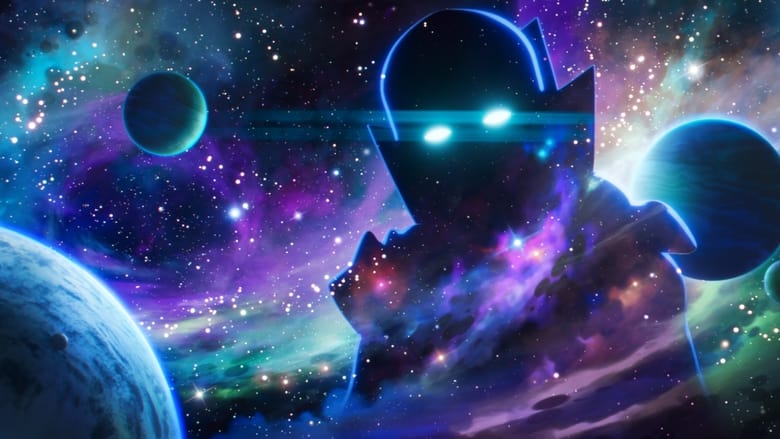
The series marks several firsts for Marvel Studios — it is their first animated series, the first produced by Marvel Studios Animation, and the first MCU series to fully embrace the multiverse concept that would later become central to films like Spider-Man: No Way Home and Doctor Strange in the Multiverse of Madness. Jeffrey Wright voices the Watcher, a cosmic being who serves as narrator and occasional participant, much like his comic book counterpart who has guided readers through What If stories since 1977.
One of the show's greatest achievements is reuniting much of the original MCU cast to voice their animated counterparts. The late Chadwick Boseman recorded his final performance as T'Challa for the series, lending particular poignancy to an episode where his character becomes Star-Lord. The cel-shaded animation style, developed under the guidance of Marvel Studios' head of visual development Ryan Meinerding, draws inspiration from classic American illustrators and gives each episode a distinctive look that honors both the films and the comic book medium.
What If...? demonstrates how a simple comic book premise — asking 'what if?' — can evolve into compelling television that deepens our appreciation for the characters and stories we thought we knew. By showing alternate paths not taken, the series highlights what makes the main MCU timeline so special while celebrating the infinite possibilities of storytelling.

What If is a long-running comic book anthology series published by Marvel Comics. The series explores alternate realities and hypothetical scenarios within the Marvel Universe, asking questions like 'What if Spider-Man had joined the Fantastic Four?' or 'What if the Avengers had never been?' Each issue is typically narrated by the Watcher, a cosmic being who observes all realities.
The first volume of What If launched in February 1977 and ran for 47 issues until 1984. The concept proved so popular that Marvel revived it multiple times over the decades, with a second volume running from 1989 to 1998. Subsequent volumes and specials have continued to appear, making it one of Marvel's most recognizable anthology titles.
The series allows writers and artists to break free from mainstream continuity and explore bold, often tragic, twists on established Marvel lore. Many stories serve as cautionary tales, showing how small changes can lead to catastrophic outcomes. The Watcher's presence as narrator provides a consistent framing device across the various volumes and creative teams.
What If has become a beloved part of Marvel's publishing history, giving fans a chance to see their favorite heroes in radically different circumstances. Its influence extends beyond comics, inspiring the animated series of the same name and shaping how audiences think about multiverse storytelling in superhero fiction.
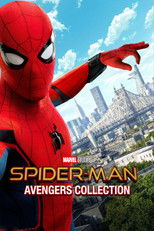
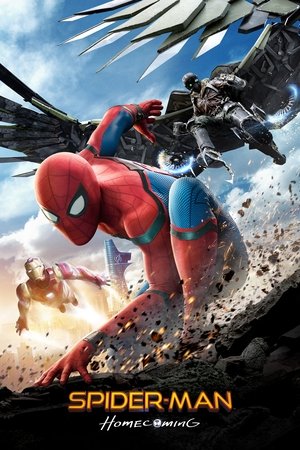
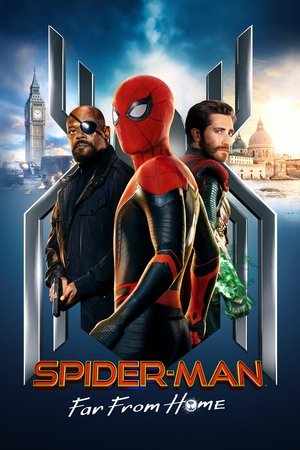
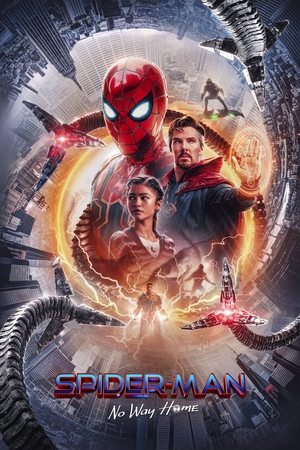
The Spider-Man (MCU) collection is a trilogy of superhero films centered on Peter Parker, a teenage superhero navigating the complexities of adolescence within the larger Marvel Cinematic Universe. Produced by Marvel Studios and distributed by Sony Pictures Releasing, the series marks the character's integration into the MCU following a landmark agreement between the two studios. The films follow Peter as he balances high school life with his secret identity, mentored by Tony Stark, and gradually confronts threats that escalate from local menaces to multiverse-shattering crises. This collection is defined by its coming-of-age narrative, blending the spectacle of superhero action with the relatable struggles of youth, friendship, and responsibility.
The trilogy explores Peter's evolution from an eager, inexperienced hero seeking approval to a self-reliant figure who understands the weight of his choices. Thematically, it grapples with identity, loss, and the consequences of living a double life, all while maintaining a light, humorous tone characteristic of the MCU's Spider-Man. The films are deeply interconnected with the broader MCU, with events from other films directly impacting Peter's journey, and his actions, in turn, sending ripples through the shared universe. This interconnectedness culminates in a narrative that not only honors the legacy of previous Spider-Man adaptations but also expands the possibilities of the character within a vast, interconnected superhero landscape.
Culturally, the collection has been a significant commercial and critical success, revitalizing the Spider-Man film brand for a new generation. It successfully reintroduced the character without retelling his origin story, instead focusing on his growth within an already established world of heroes. The trilogy's blend of high school comedy, heartfelt drama, and large-scale superhero action resonated with audiences, making it a standout within the MCU's sprawling narrative. Its impact is evident in its box office performance and its role in bridging different eras of Spider-Man cinema, creating a unique, celebratory event for fans.
The legacy of this collection lies in its innovative approach to a well-known character, proving that a fresh perspective can reinvigorate even the most familiar stories. By embedding Spider-Man firmly within the MCU, the trilogy allowed for character dynamics and plot developments impossible in a standalone series, while still delivering a deeply personal arc for Peter Parker. It stands as a testament to collaborative studio filmmaking and a defining chapter in the ongoing story of one of pop culture's most enduring heroes.