📺 WandaVision (2021)
Part of Captain Marvel
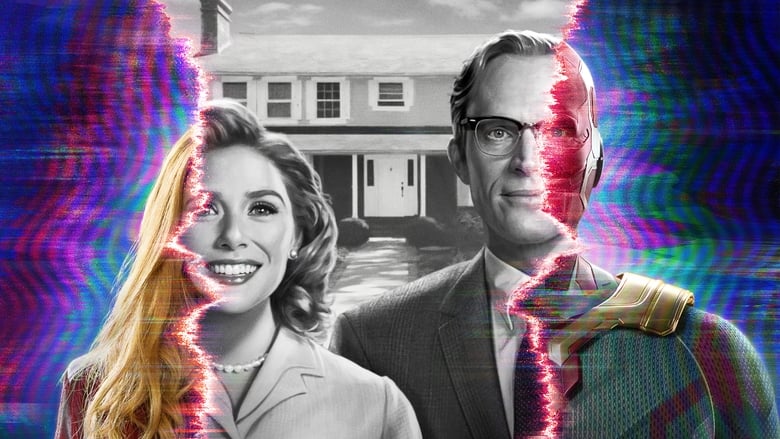
WandaVision is the Marvel Cinematic Universe’s first television series, premiering on Disney+ in 2021 and masterfully blending sitcom tropes with superhero drama. Created by Jac Schaeffer, the series draws from decades of Marvel Comics but takes its most direct inspiration from the 1982–1983 limited series The Vision and the Scarlet Witch by Bill Mantlo and Rick Leonardi, which imagined the synthezoid Avenger and the mutant sorceress trying to build a conventional married life in the suburbs. The show also channels the eerie, domestic-surreal tone of Tom King’s 2015 Vision solo run, while the exploration of Wanda’s reality-bending grief echoes the catastrophic House of M storyline.
Elizabeth Olsen and Paul Bettany reprised their film roles, but the series transformed them into pastiches of classic TV couples across decades, from 1950s black-and-white family sitcoms to 2000s mockumentary cringe comedy. This framing device allowed WandaVision to deconstruct Wanda’s trauma after the death of Vision in Avengers: Endgame, revealing her subconscious creation of a grief-soaked fantasy world. The homage extended beyond aesthetics—each episode was shot with era-appropriate cameras, lighting, and even live studio audiences for the earlier sitcom sequences.
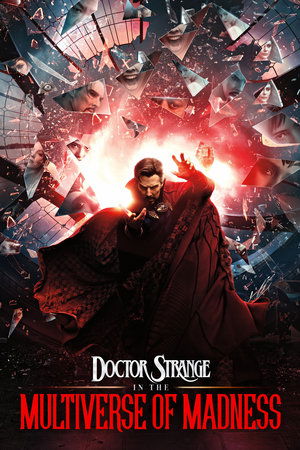
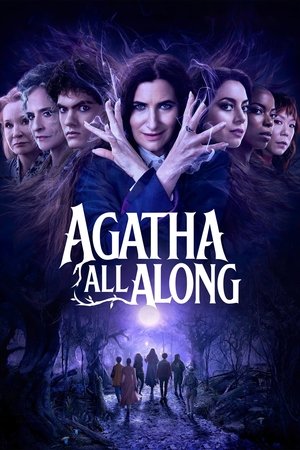
Supporting casts like Kathryn Hahn’s nosy neighbor Agnes—who unmasks as the witch Agatha Harkness—and Teyonah Parris’s adult Monica Rambeau added depth and set up future MCU expansions. The series became a cultural phenomenon, spawning the viral song "Agatha All Along" and directly leading to the spin-off series Agatha All Along (2024) and the upcoming Vision Quest. Wanda’s arc continued in the film Doctor Strange in the Multiverse of Madness (2022), which picked up the devastating aftermath of her actions in Westview.
WandaVision earned critical acclaim for its inventive storytelling and bold structure, winning multiple Emmy Awards and cementing Marvel Studios’ ability to experiment beyond the blockbuster format. It demonstrated that superhero narratives could be intimate, metatextual, and deeply human, all while nodding to the quirky comic book stories that dared to imagine a robot and a witch just wanting a quiet life in the suburbs.

The Vision and the Scarlet Witch is a Marvel Comics limited series created by writer Bill Mantlo and artist Rick Leonardi, first published in 1982. It was followed by a second volume in 1985. The series centers on the unusual domestic life of the synthezoid Vision and the mutant Scarlet Witch (Wanda Maximoff), two long-standing members of the Avengers who have married and attempt to settle down in suburbia. Their stories blend superhero action with intimate drama as they confront prejudice, family secrets, and supernatural threats while trying to live a quiet life.
The series was groundbreaking at the time for portraying a superhero marriage and exploring the human desires of non-human and superpowered characters. It delved into Wanda’s Romani heritage and her complicated relationship with her brother Quicksilver and father Magneto, as well as Vision’s struggle to understand humanity. Later comic runs, such as the 2015–2016 solo series The Vision by Tom King, reimagined Vision’s attempt to create a suburban family, which further influenced the visual and thematic style of adaptations.
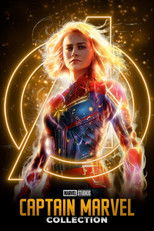
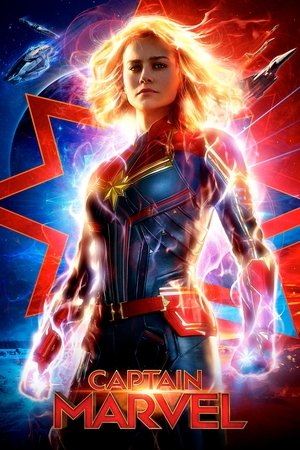
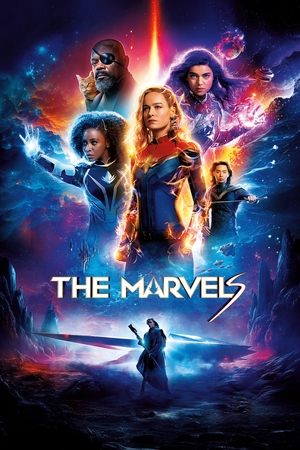
The Captain Marvel film series centers on Carol Danvers, a former U.S. Air Force pilot who becomes one of the most powerful heroes in the Marvel Cinematic Universe. The narrative explores her journey of self-discovery, as she reclaims her human identity after being manipulated into serving an alien empire. Themes of memory, identity, and empowerment are central to her story, which unfolds across cosmic and Earth-bound settings.
The series is notable for bringing the Marvel Cinematic Universe's first female-led solo film to the screen, marking a significant step in the franchise's expansion. It blends 1990s nostalgia with high-stakes interstellar conflict, introducing the shape-shifting Skrulls and the militaristic Kree into the broader narrative tapestry. The visual style combines grounded character moments with spectacular displays of cosmic power.
As a collection, these films contribute to the larger Marvel Cinematic Universe by establishing Captain Marvel as a pivotal force capable of shifting the balance of power in galactic conflicts. The character's immense abilities and her connections to both Earth and the wider cosmos position her as a bridge between terrestrial heroes and cosmic-level threats.
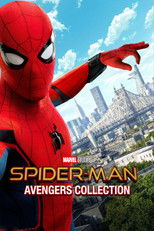
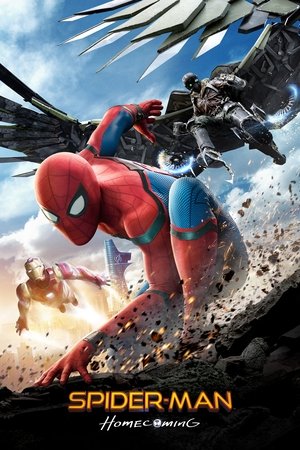
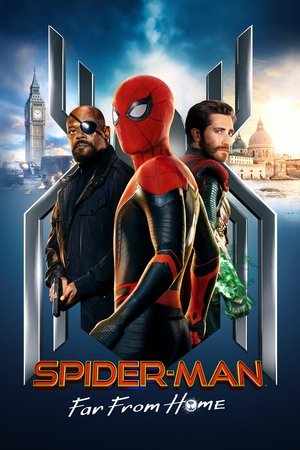
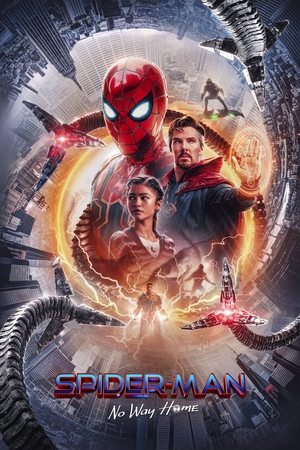
The Spider-Man (MCU) collection is a trilogy of superhero films centered on Peter Parker, a teenage superhero navigating the complexities of adolescence within the larger Marvel Cinematic Universe. Produced by Marvel Studios and distributed by Sony Pictures Releasing, the series marks the character's integration into the MCU following a landmark agreement between the two studios. The films follow Peter as he balances high school life with his secret identity, mentored by Tony Stark, and gradually confronts threats that escalate from local menaces to multiverse-shattering crises. This collection is defined by its coming-of-age narrative, blending the spectacle of superhero action with the relatable struggles of youth, friendship, and responsibility.
The trilogy explores Peter's evolution from an eager, inexperienced hero seeking approval to a self-reliant figure who understands the weight of his choices. Thematically, it grapples with identity, loss, and the consequences of living a double life, all while maintaining a light, humorous tone characteristic of the MCU's Spider-Man. The films are deeply interconnected with the broader MCU, with events from other films directly impacting Peter's journey, and his actions, in turn, sending ripples through the shared universe. This interconnectedness culminates in a narrative that not only honors the legacy of previous Spider-Man adaptations but also expands the possibilities of the character within a vast, interconnected superhero landscape.
Culturally, the collection has been a significant commercial and critical success, revitalizing the Spider-Man film brand for a new generation. It successfully reintroduced the character without retelling his origin story, instead focusing on his growth within an already established world of heroes. The trilogy's blend of high school comedy, heartfelt drama, and large-scale superhero action resonated with audiences, making it a standout within the MCU's sprawling narrative. Its impact is evident in its box office performance and its role in bridging different eras of Spider-Man cinema, creating a unique, celebratory event for fans.
The legacy of this collection lies in its innovative approach to a well-known character, proving that a fresh perspective can reinvigorate even the most familiar stories. By embedding Spider-Man firmly within the MCU, the trilogy allowed for character dynamics and plot developments impossible in a standalone series, while still delivering a deeply personal arc for Peter Parker. It stands as a testament to collaborative studio filmmaking and a defining chapter in the ongoing story of one of pop culture's most enduring heroes.

The franchise centers on a brilliant but arrogant neurosurgeon whose life is upended by a catastrophic accident, forcing him to abandon his reliance on science and embrace the mystical arts. This journey from skepticism to mastery forms the core narrative arc, exploring the intersection of modern medicine and ancient magic.
The stories consistently delve into complex metaphysical concepts, including time manipulation, alternate realities, and the delicate balance between different dimensions. Visually, the series is renowned for its groundbreaking practical and digital effects that bring spellcasting, astral projection, and cosmic landscapes to life, establishing a distinct aesthetic that blends psychedelic art with high-concept fantasy.
As a cornerstone of modern superhero cinema, the series has expanded the boundaries of the genre by introducing deeply philosophical questions about fate, free will, and the consequences of tampering with reality. Its protagonist has become an iconic figure representing the protector of Earth's mystical realms, bridging the gap between grounded human drama and expansive cosmic mythology while influencing a generation of fantasy storytelling.