📺 Wonder Man (2026)
Part of Marvel Cinematic Universe (MCU)
The upcoming Disney+ series 'Wonder Man' marks the live-action debut of one of Marvel Comics' most complex and long-running characters. Created by Stan Lee, Don Heck, and Jack Kirby, Simon Williams first appeared in the pages of 'The Avengers' #9 in 1964 as a tragic villain imbued with ionic energy by Baron Zemo. After a heroic sacrifice, he was resurrected and went on to become a mainstay of the Avengers, even forging a second career as a Hollywood actor and stuntman. This meta-textual element—a superhero who plays a superhero on screen—makes him a perfect fit for the Marvel Cinematic Universe's foray into satirical, behind-the-scenes storytelling.
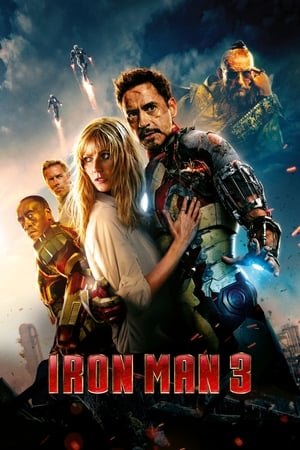
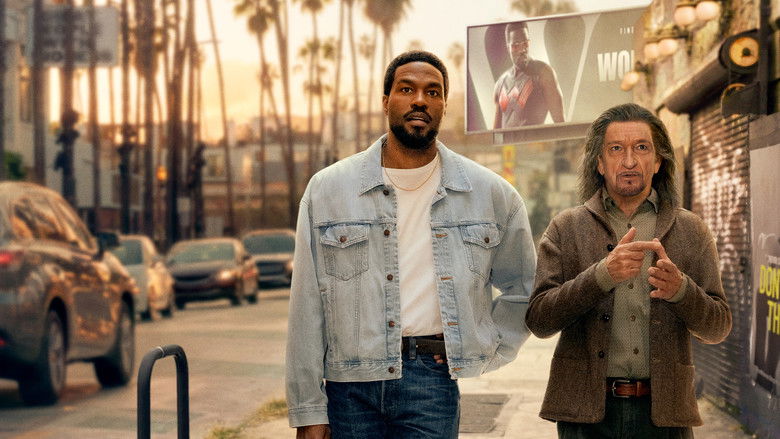
The series, developed by Destin Daniel Cretton and Andrew Guest, takes a unique approach by combining two separate initial concepts: one focused on Simon Williams and the other on the established MCU character Trevor Slattery, the hapless actor who impersonated the Mandarin in 'Iron Man 3.' Ben Kingsley reprises his role as Slattery, with Yahya Abdul-Mateen II stepping into the ionic-energy-charged shoes of Simon Williams. This blending of a classic comic book origin with the MCU's existing lore about the entertainment industry's fringes promises a comedic yet character-driven exploration of fame, failure, and what it truly means to be a hero.
As the 17th television series in the sprawling Marvel Cinematic Universe, 'Wonder Man' shares continuity with the films and is produced under the Marvel Television banner. The show's development was announced as part of Cretton's overall deal with Marvel Studios, and it notably brings a Hollywood satire flavor to the franchise, following Williams as he navigates auditions and the absurdities of show business while grappling with his emerging powers. Filming took place on location in Los Angeles, grounding the superheroics in a real-world setting, though production faced delays during the 2023 Writers Guild of America strike before resuming in early 2024.
While the character has appeared in animated series and video games, this series represents his first major live-action portrayal. The choice to frame the story around an actor's journey allows the MCU to comment on its own cultural dominance while introducing a character whose comic book history is deeply tied to themes of redemption and identity. By pairing the fresh-faced Williams with the disgraced Slattery, 'Wonder Man' looks to be a buddy-comedy of errors that expands the MCU's tonal range, proving that not every hero's journey begins with a perfectly heroic motive—sometimes it starts with a desperate man, a villainous bargain, and a really good agent.

Wonder Man is a fictional superhero appearing in American comic books published by Marvel Comics. The character, whose alter ego is Simon Williams, was created by writer Stan Lee and artists Don Heck and Jack Kirby, making his first appearance in The Avengers #9 in October 1964. Initially introduced as a supervillain, Simon Williams was a businessman who, after facing financial ruin blamed on Tony Stark, was given ionic energy powers by Baron Zemo and the Masters of Evil to infiltrate and destroy the Avengers. However, Williams ultimately had a change of heart and sacrificed himself to save the team, a defining moment that set the stage for his eventual resurrection and redemption.
After being resurrected years later, Wonder Man evolved from a tragic villain into a full-fledged superhero and a prominent member of the Avengers. His ionic-energy physiology grants him a vast array of powers including superhuman strength, speed, stamina, virtual invulnerability, flight, and even immortality. Over the decades, the character has been a core member of multiple Avengers lineups, including the West Coast Avengers, and has also pursued a career as a Hollywood actor and stuntman, leveraging his powers for the silver screen. His complex relationship with his brother, the Grim Reaper, and his romantic entanglements with fellow Avengers like the Scarlet Witch have been central to his narrative.
Wonder Man's journey from villain to hero and celebrity has made him a unique and enduring figure in the Marvel Universe. He represents themes of redemption, the nature of humanity after transformation, and the struggle to find one's identity beyond superpowers. His dual life as both a world-saving Avenger and a Hollywood star provides a distinctive lens through which stories about fame, ego, and heroism are explored. The character has remained a fan favorite for his humor, pathos, and the sheer visual spectacle of his ionic powers.
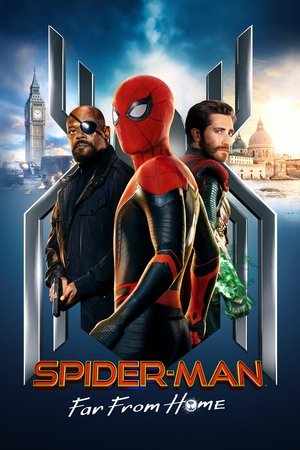
The Spider-Man (MCU) collection is a trilogy of superhero films centered on Peter Parker, a teenage superhero navigating the complexities of adolescence within the larger Marvel Cinematic Universe. Produced by Marvel Studios and distributed by Sony Pictures Releasing, the series marks the character's integration into the MCU following a landmark agreement between the two studios. The films follow Peter as he balances high school life with his secret identity, mentored by Tony Stark, and gradually confronts threats that escalate from local menaces to multiverse-shattering crises. This collection is defined by its coming-of-age narrative, blending the spectacle of superhero action with the relatable struggles of youth, friendship, and responsibility.
The trilogy explores Peter's evolution from an eager, inexperienced hero seeking approval to a self-reliant figure who understands the weight of his choices. Thematically, it grapples with identity, loss, and the consequences of living a double life, all while maintaining a light, humorous tone characteristic of the MCU's Spider-Man. The films are deeply interconnected with the broader MCU, with events from other films directly impacting Peter's journey, and his actions, in turn, sending ripples through the shared universe. This interconnectedness culminates in a narrative that not only honors the legacy of previous Spider-Man adaptations but also expands the possibilities of the character within a vast, interconnected superhero landscape.
Culturally, the collection has been a significant commercial and critical success, revitalizing the Spider-Man film brand for a new generation. It successfully reintroduced the character without retelling his origin story, instead focusing on his growth within an already established world of heroes. The trilogy's blend of high school comedy, heartfelt drama, and large-scale superhero action resonated with audiences, making it a standout within the MCU's sprawling narrative. Its impact is evident in its box office performance and its role in bridging different eras of Spider-Man cinema, creating a unique, celebratory event for fans.
The legacy of this collection lies in its innovative approach to a well-known character, proving that a fresh perspective can reinvigorate even the most familiar stories. By embedding Spider-Man firmly within the MCU, the trilogy allowed for character dynamics and plot developments impossible in a standalone series, while still delivering a deeply personal arc for Peter Parker. It stands as a testament to collaborative studio filmmaking and a defining chapter in the ongoing story of one of pop culture's most enduring heroes.