📺 Eyes of Wakanda (2025)
Part of Marvel Cinematic Universe (MCU)
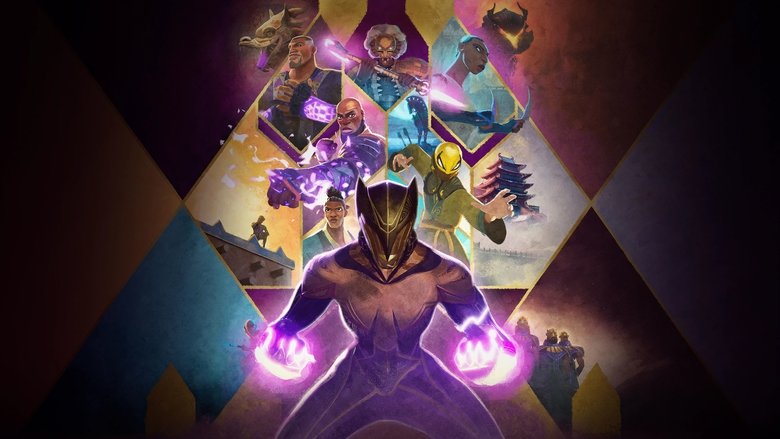
Eyes of Wakanda is a 2025 animated anthology series that delves deep into the history of the Marvel Cinematic Universe's most secretive nation. Created by Todd Harris for Disney+, the series breaks from Marvel Animation's previous multiversal focus to tell stories firmly set within the MCU's Sacred Timeline. Instead of following the Black Panther, the narrative spotlights the Hatut Zaraze, a group of elite Wakandan warriors who have carried out covert, dangerous missions across the globe throughout history to protect their nation's secrets.
The series draws its inspiration directly from the Marvel Comics concept of Wakanda, the fictional East African nation first introduced by Stan Lee and Jack Kirby in 1966's Fantastic Four #52. In the comics, Wakanda is a technological utopia built on a mountain of vibranium, a nation that has never been conquered. Eyes of Wakanda translates this rich, decades-long comic book lore into a visually distinct animated format, employing a hand-painted style inspired by African-American fine artists like Ernie Barnes and illustrator Dean Cornwell.
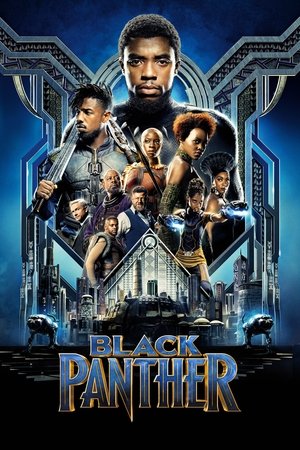
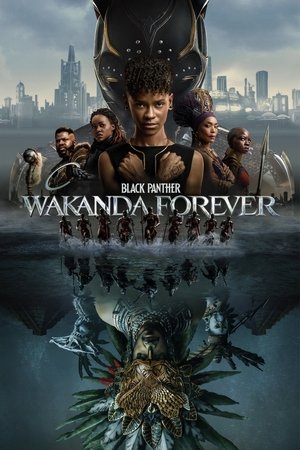
As part of the sprawling Marvel Cinematic Universe, Eyes of Wakanda is a direct spin-off from the world established in films like Black Panther and its sequel. It marks a significant expansion of the franchise, exploring corners of Wakandan history that the live-action films have only hinted at. The voice cast includes Winnie Harlow, Cress Williams, and Steve Toussaint, bringing to life the unsung heroes who have shaped Wakanda's destiny from the shadows.

Wakanda is a fictional nation appearing in American comic books published by Marvel Comics. Created by writer Stan Lee and artist Jack Kirby, it first appeared in Fantastic Four #52 in July 1966. Depicted as a small, landlocked country in East Africa, Wakanda is famously known as the most technologically advanced civilization on Earth, a status achieved and protected by its exclusive access to the rare and powerful metal vibranium.
The nation is a monarchy, traditionally ruled by the Black Panther, a title held by the king who also serves as the country's spiritual and military protector. The Black Panther mantle grants enhanced physical abilities through a heart-shaped herb and a connection to the Panther God, Bast. For centuries, Wakanda isolated itself from the outside world, posing as a developing nation to safeguard its resources and advanced culture from exploitation and conflict.
Beyond its technological marvels, Wakanda is defined by its rich cultural heritage, complex political structures, and deep-rooted traditions. The nation is home to various tribes, a powerful council, and elite forces like the Dora Milaje, the king's all-female royal guard. Storylines often explore the tension between isolationism and global responsibility, making Wakanda a unique and significant setting within the Marvel Universe.
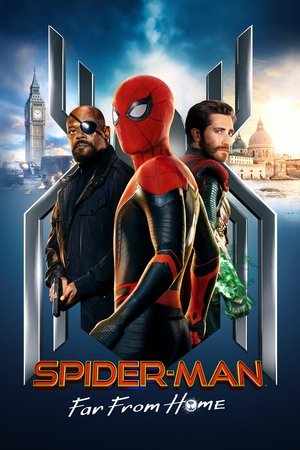
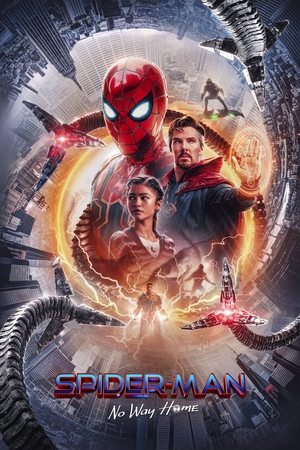
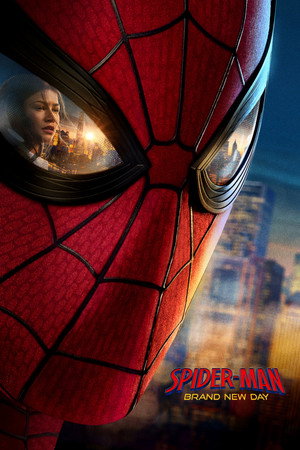
The Spider-Man (MCU) collection is a trilogy of superhero films centered on Peter Parker, a teenage superhero navigating the complexities of adolescence within the larger Marvel Cinematic Universe. Produced by Marvel Studios and distributed by Sony Pictures Releasing, the series marks the character's integration into the MCU following a landmark agreement between the two studios. The films follow Peter as he balances high school life with his secret identity, mentored by Tony Stark, and gradually confronts threats that escalate from local menaces to multiverse-shattering crises. This collection is defined by its coming-of-age narrative, blending the spectacle of superhero action with the relatable struggles of youth, friendship, and responsibility.
The trilogy explores Peter's evolution from an eager, inexperienced hero seeking approval to a self-reliant figure who understands the weight of his choices. Thematically, it grapples with identity, loss, and the consequences of living a double life, all while maintaining a light, humorous tone characteristic of the MCU's Spider-Man. The films are deeply interconnected with the broader MCU, with events from other films directly impacting Peter's journey, and his actions, in turn, sending ripples through the shared universe. This interconnectedness culminates in a narrative that not only honors the legacy of previous Spider-Man adaptations but also expands the possibilities of the character within a vast, interconnected superhero landscape.
Culturally, the collection has been a significant commercial and critical success, revitalizing the Spider-Man film brand for a new generation. It successfully reintroduced the character without retelling his origin story, instead focusing on his growth within an already established world of heroes. The trilogy's blend of high school comedy, heartfelt drama, and large-scale superhero action resonated with audiences, making it a standout within the MCU's sprawling narrative. Its impact is evident in its box office performance and its role in bridging different eras of Spider-Man cinema, creating a unique, celebratory event for fans.
The legacy of this collection lies in its innovative approach to a well-known character, proving that a fresh perspective can reinvigorate even the most familiar stories. By embedding Spider-Man firmly within the MCU, the trilogy allowed for character dynamics and plot developments impossible in a standalone series, while still delivering a deeply personal arc for Peter Parker. It stands as a testament to collaborative studio filmmaking and a defining chapter in the ongoing story of one of pop culture's most enduring heroes.