🎬 Avengers: Doomsday (2026)
Part of Marvel Cinematic Universe (MCU) 🔥 Trending this week
Avengers: Doomsday (2026), directed by Anthony and Joe Russo, draws from Marvel's legendary comic team The Avengers, which debuted in 1963 under Stan Lee and Jack Kirby. This upcoming MCU blockbuster, the 39th film in the franchise and sequel to Avengers: Endgame, pivots from its original 'Kang Dynasty' concept—scrapped amid legal issues with actor Jonathan Majors—to spotlight Doctor Doom, played by Robert Downey Jr. in a shocking return. The plot unites Avengers, Wakandans, New Avengers, Fantastic Four, and X-Men across multiversal collisions to battle Doom, blending actors from the MCU and Fox's X-Men era.
Unlike prior Avengers films that loosely riffed on comic arcs like Infinity or Ultron, Doomsday leans into multiverse mayhem inspired by Secret Wars events, though no direct 'Doomsday' comic exists. Key changes include the villain swap and massive crossover cast—featuring Chris Hemsworth, Anthony Mackie, Vanessa Kirby, and X-Men vets like Patrick Stewart—promising epic scale. Filming began in 2025 for a December 18, 2026 release, building on the saga's box-office dominance, from The Avengers' 2012 launch to Endgame's cultural phenomenon.

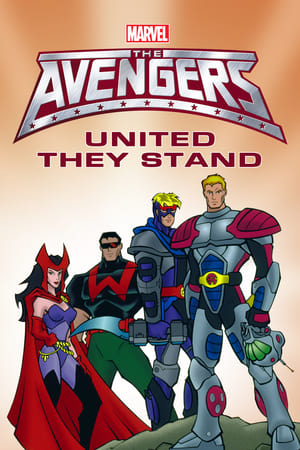
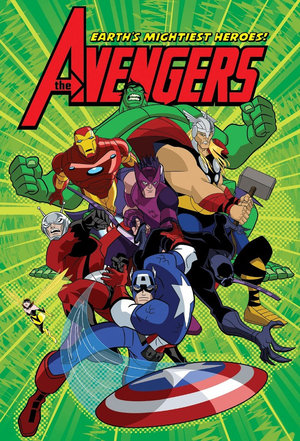
The Avengers are a superhero team appearing in American comic books published by Marvel Comics. Created by writer-editor Stan Lee and artist/co-plotter Jack Kirby, the team made its debut in The Avengers #1, cover-dated September 1963. Labeled 'Earth's Mightiest Heroes,' the original roster brought together some of Marvel's most popular characters—Iron Man, Ant-Man, the Hulk, Thor, and the Wasp—with Captain America joining the team in issue #4 after being discovered frozen in ice.
The concept was groundbreaking for its time: an all-star ensemble of established heroes from separate solo titles who occasionally assemble to face threats too great for any single one of them. This distinguished the Avengers from teams like the X-Men, whose members were created specifically to function as a group. The rotating roster became a hallmark of the series, allowing lesser-known characters such as Hawkeye, Quicksilver, and the Scarlet Witch to gain prominence alongside marquee names.
Over the decades, the Avengers have grown into one of Marvel's flagship properties, anchoring massive crossover events and spawning numerous spin-off titles including West Coast Avengers, Young Avengers, and New Avengers. The team's core dynamic—flawed individuals learning to work together despite clashing egos and ideologies—has proven endlessly adaptable, resonating across generations of readers.
The franchise's cultural footprint expanded dramatically in the 21st century, culminating in a blockbuster film series that began in 2008 and redefined the modern cinematic landscape. The comics remain in publication, continually reinventing the team's lineup and mission for new eras while maintaining the foundational idea that even the mightiest heroes are stronger together.
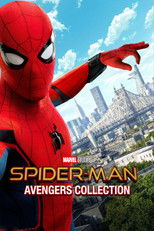
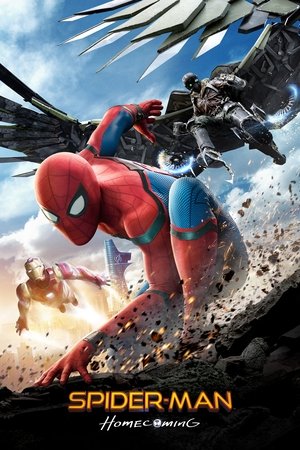
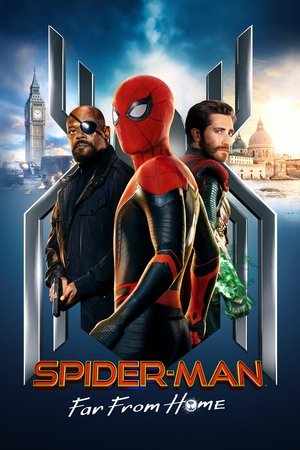
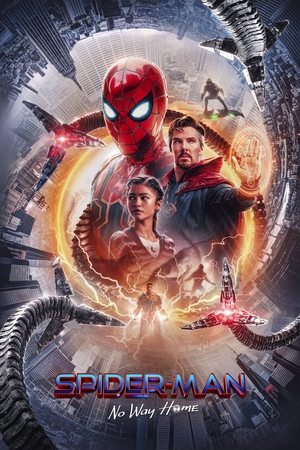
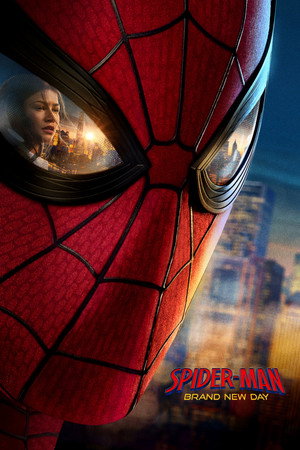
The Spider-Man (MCU) collection is a trilogy of superhero films centered on Peter Parker, a teenage superhero navigating the complexities of adolescence within the larger Marvel Cinematic Universe. Produced by Marvel Studios and distributed by Sony Pictures Releasing, the series marks the character's integration into the MCU following a landmark agreement between the two studios. The films follow Peter as he balances high school life with his secret identity, mentored by Tony Stark, and gradually confronts threats that escalate from local menaces to multiverse-shattering crises. This collection is defined by its coming-of-age narrative, blending the spectacle of superhero action with the relatable struggles of youth, friendship, and responsibility.
The trilogy explores Peter's evolution from an eager, inexperienced hero seeking approval to a self-reliant figure who understands the weight of his choices. Thematically, it grapples with identity, loss, and the consequences of living a double life, all while maintaining a light, humorous tone characteristic of the MCU's Spider-Man. The films are deeply interconnected with the broader MCU, with events from other films directly impacting Peter's journey, and his actions, in turn, sending ripples through the shared universe. This interconnectedness culminates in a narrative that not only honors the legacy of previous Spider-Man adaptations but also expands the possibilities of the character within a vast, interconnected superhero landscape.
Culturally, the collection has been a significant commercial and critical success, revitalizing the Spider-Man film brand for a new generation. It successfully reintroduced the character without retelling his origin story, instead focusing on his growth within an already established world of heroes. The trilogy's blend of high school comedy, heartfelt drama, and large-scale superhero action resonated with audiences, making it a standout within the MCU's sprawling narrative. Its impact is evident in its box office performance and its role in bridging different eras of Spider-Man cinema, creating a unique, celebratory event for fans.
The legacy of this collection lies in its innovative approach to a well-known character, proving that a fresh perspective can reinvigorate even the most familiar stories. By embedding Spider-Man firmly within the MCU, the trilogy allowed for character dynamics and plot developments impossible in a standalone series, while still delivering a deeply personal arc for Peter Parker. It stands as a testament to collaborative studio filmmaking and a defining chapter in the ongoing story of one of pop culture's most enduring heroes.

The Avengers film series represents a landmark achievement in blockbuster cinema, bringing together Marvel Comics' premier superhero team for escalating cosmic and existential threats. Originating from the pages of Marvel Comics, the concept was adapted into a shared cinematic universe where characters from individual film series could cross over and unite under the strategic guidance of S.H.I.E.L.D. to defend Earth from dangers beyond any single hero's reach.
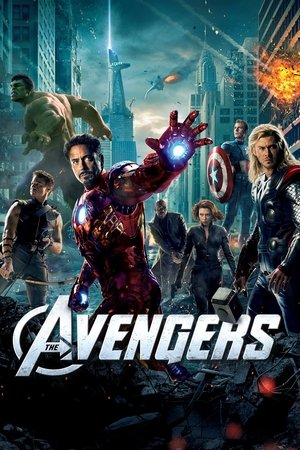
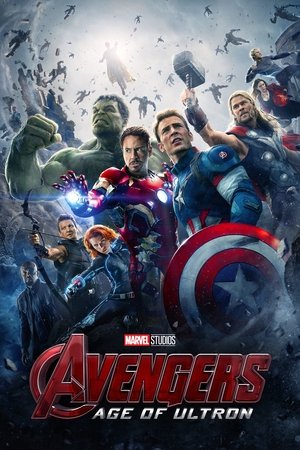
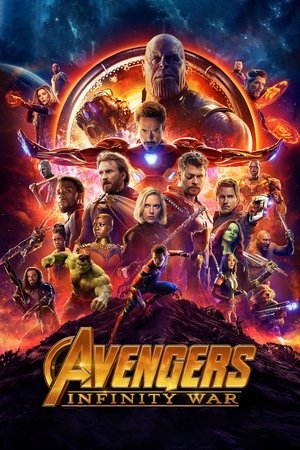
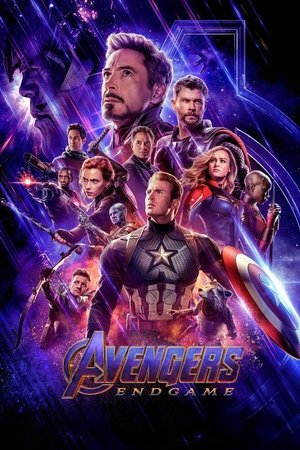
The saga began with The Avengers (2012), in which Iron Man, Captain America, Thor, Hulk, Black Widow and Hawkeye assemble for the first time to stop Loki's alien invasion of New York. Avengers: Age of Ultron (2015) tests the team's cohesion against an artificial intelligence of their own making, while Avengers: Infinity War (2018) and Avengers: Endgame (2019) chronicle their desperate, universe-spanning battle against Thanos and its devastating, reality-altering aftermath. The next chapter, Avengers: Doomsday (2026), is set to continue the team's story.
The series is renowned for its ambitious scale, weaving together complex, long-form narratives that span multiple films and phases. It explores profound themes of heroism, sacrifice, and the moral ambiguities of power, often pitting its protagonists against not only external villains but also their own internal conflicts and ideological differences. Culturally, the franchise redefined the modern blockbuster landscape, popularizing the concept of a shared cinematic universe and setting new standards for interconnected storytelling.