📺 The Avengers: Earth's Mightiest Heroes (2010)
Based on comic
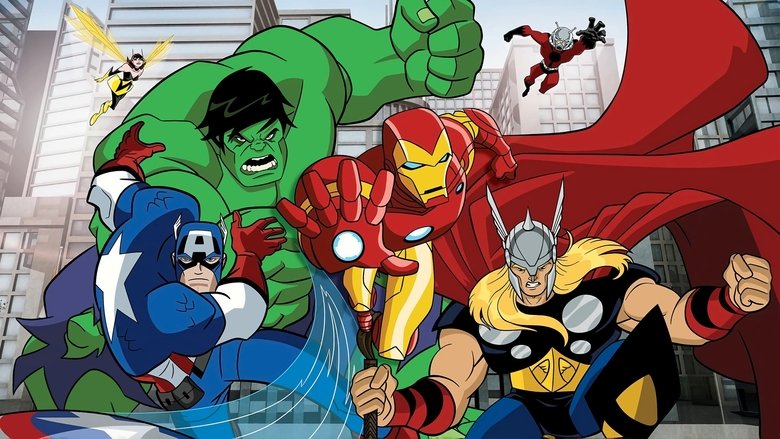
Debuting in 2010, "The Avengers: Earth's Mightiest Heroes" arrived at a fascinating crossroads for Marvel animation. The Marvel Cinematic Universe was in its infancy, with only two Iron Man films and The Incredible Hulk having been released, yet the show wisely chose not to be a direct tie-in. Instead, it built its own cohesive universe by drawing deeply from the well of classic comic lore, primarily the foundational stories by Stan Lee and Jack Kirby, while also incorporating elements from later eras. The series opened with a serialized, slow-burn approach, spending its early episodes on solo adventures for Iron Man, Hulk, Thor, and Ant-Man before a massive, multi-villain breakout orchestrated by Loki forced them to unite. This structure was a masterclass in adaptation, translating the comic book concept of heroes from separate titles coming together into a compelling televised narrative.
The show's greatest strength was its reverence for the source material's history without being slavish to it. The initial roster mirrored the 1963 original—Iron Man, Thor, Hulk, Ant-Man, and the Wasp—but the series quickly expanded, introducing Captain America in a storyline faithful to his frozen-in-ice discovery from Avengers #4. Crucially, it didn't stop with the Silver Age. The first season alone wove in Black Panther, Hawkeye, and a deep bench of villains like Kang the Conqueror and Baron Zemo, while the second season added Ms. Marvel and Vision. This created a rich tapestry that rewarded long-time readers with deep cuts, such as the Kree-Skrull War and the Secret Invasion, adapted into major story arcs that felt epic in scope without being impenetrable to newcomers.
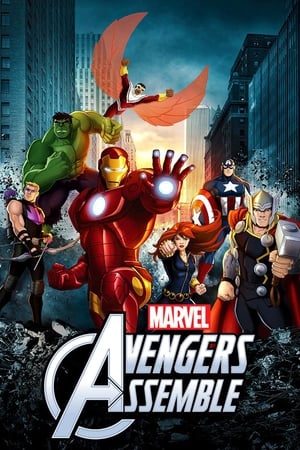
Tonally, the series struck a perfect balance between high-stakes action and character-driven conflict, capturing the core comic book dynamic of flawed individuals clashing before learning to work as a unit. The animation style was clean and expressive, allowing for fluid fight choreography that showcased each hero's distinct power set. While it acknowledged the growing shadow of the MCU—most notably in character designs that echoed the films—it remained fiercely independent in its storytelling, giving equal weight to characters like Ant-Man and Wasp who were absent from the live-action landscape at the time. This independence was both its greatest asset and, ultimately, its undoing, as the series was canceled after its second season to make way for "Avengers Assemble," a show more directly aligned with the cinematic universe's aesthetic and roster.

The Avengers are a superhero team appearing in American comic books published by Marvel Comics. Created by writer-editor Stan Lee and artist/co-plotter Jack Kirby, the team made its debut in The Avengers #1, cover-dated September 1963. Labeled 'Earth's Mightiest Heroes,' the original roster brought together some of Marvel's most popular characters—Iron Man, Ant-Man, the Hulk, Thor, and the Wasp—with Captain America joining the team in issue #4 after being discovered frozen in ice.
The concept was groundbreaking for its time: an all-star ensemble of established heroes from separate solo titles who occasionally assemble to face threats too great for any single one of them. This distinguished the Avengers from teams like the X-Men, whose members were created specifically to function as a group. The rotating roster became a hallmark of the series, allowing lesser-known characters such as Hawkeye, Quicksilver, and the Scarlet Witch to gain prominence alongside marquee names.
Over the decades, the Avengers have grown into one of Marvel's flagship properties, anchoring massive crossover events and spawning numerous spin-off titles including West Coast Avengers, Young Avengers, and New Avengers. The team's core dynamic—flawed individuals learning to work together despite clashing egos and ideologies—has proven endlessly adaptable, resonating across generations of readers.
The franchise's cultural footprint expanded dramatically in the 21st century, culminating in a blockbuster film series that began in 2008 and redefined the modern cinematic landscape. The comics remain in publication, continually reinventing the team's lineup and mission for new eras while maintaining the foundational idea that even the mightiest heroes are stronger together.