🎬 Marvel One-Shot: All Hail the King (2014)
Part of Marvel Cinematic Universe (MCU)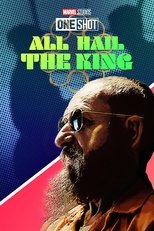
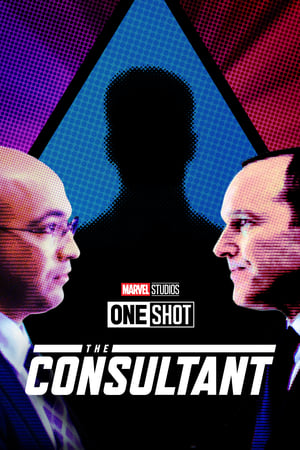
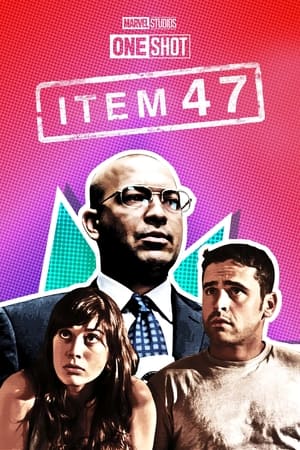
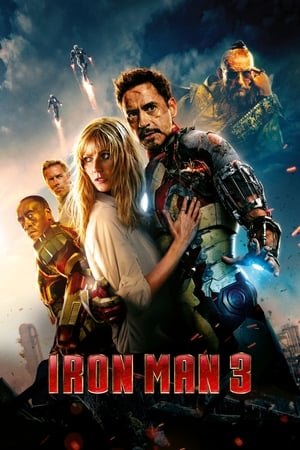
Marvel One-Shot: All Hail the King is a 2014 short film that serves as both a coda to Iron Man 3 and a fascinating piece of Marvel Cinematic Universe connective tissue. Written and directed by Drew Pearce, who co-wrote Iron Man 3, the short revisits Trevor Slattery, the hapless actor played by Ben Kingsley who was hired to impersonate the terrorist known as the Mandarin. The film takes the form of a mockumentary, with a filmmaker interviewing Slattery in prison, where he has become something of a celebrity among the inmates, blissfully unaware of the dangerous forces he angered by appropriating the Mandarin's name.
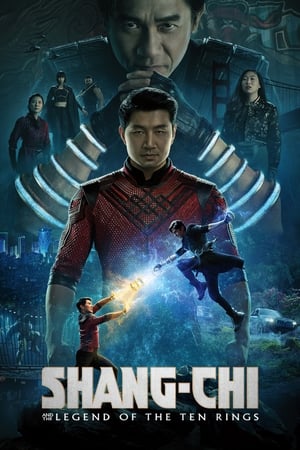
The short is notable for retroactively addressing one of the most controversial creative decisions in MCU history: the reveal that the Mandarin was a fabricated persona. Through the arrival of a genuine Ten Rings operative, played by Scoot McNairy, the film confirms that the real Mandarin does exist and is none too pleased with Slattery's impersonation. This narrative course correction would pay off years later in Shang-Chi and the Legend of the Ten Rings (2021), where the actual Mandarin, Xu Wenwu, finally appears. The short also features a surprise cameo from Sam Rockwell reprising his role as Justin Hammer from Iron Man 2, now incarcerated and bitter, providing a delightful link between the early and later phases of the MCU.
As a Marvel One-Shot, All Hail the King continues the tradition of these short films expanding the universe between feature releases. It draws its source material from the Iron Man comics, specifically the character of the Mandarin, who first appeared in Tales of Suspense #50 in 1964 as Tony Stark's arch-nemesis. The short cleverly bridges the gap between the comics' mystical, ring-wielding warlord and the MCU's more grounded approach, laying groundwork that would eventually reconcile both interpretations. Ben Kingsley's performance remains a highlight, transforming what could have been a simple joke character into someone oddly sympathetic in his deluded vanity.

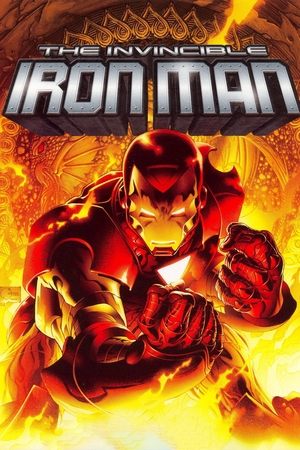
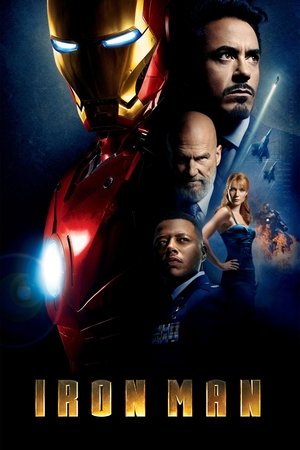
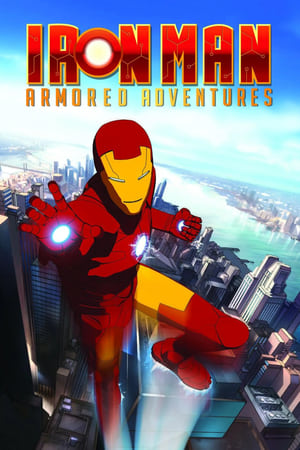
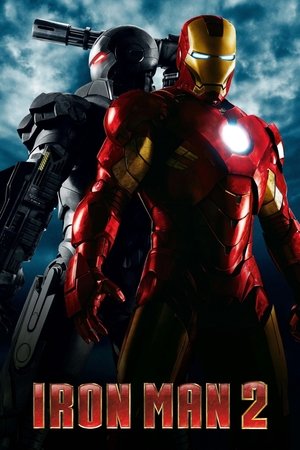
Iron Man is a superhero appearing in American comic books published by Marvel Comics. The character was co-created by writer and editor Stan Lee, developed by scripter Larry Lieber, and designed by artists Don Heck and Jack Kirby, making his first appearance in Tales of Suspense #39 (cover-dated March 1963). The character's alter ego is Tony Stark, a wealthy American business magnate, playboy, philanthropic scientist, and ingenious engineer who suffers a severe chest injury during a kidnapping. When his captors attempt to force him to build a weapon of mass destruction, he instead creates a mechanized suit of armor to save his life and escape captivity. He later upgrades and refines the suit, using it to protect the world as Iron Man.
Throughout his publication history, Iron Man has been a foundational member of the superhero team the Avengers, with his own self-titled comic series running across multiple volumes since 1968. The character's stories have often explored themes of Cold War politics, technological ethics, corporate responsibility, and personal demons — most notably Stark's ongoing battle with alcoholism, which was dramatically portrayed in the landmark 1979 storyline 'Demon in a Bottle.'
Over the decades, Iron Man evolved from a B-list Marvel hero into one of the company's flagship characters. His rogues' gallery includes iconic villains such as the Mandarin, Titanium Man, Crimson Dynamo, and Obadiah Stane. The character's comic book legacy spans thousands of issues and has featured celebrated runs by creators including David Michelinie, Bob Layton, Dennis O'Neil, Warren Ellis, and Matt Fraction, each bringing new dimensions to Tony Stark's complex personality and moral struggles.
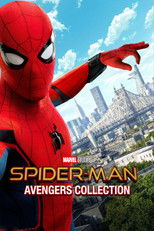
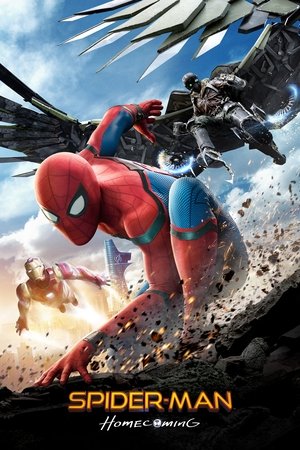
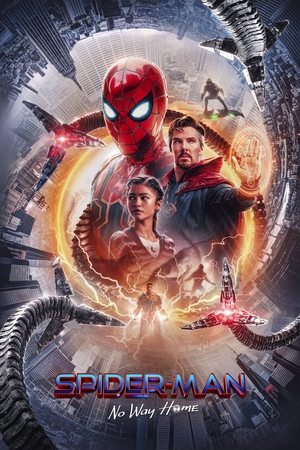
The Spider-Man (MCU) collection is a trilogy of superhero films centered on Peter Parker, a teenage superhero navigating the complexities of adolescence within the larger Marvel Cinematic Universe. Produced by Marvel Studios and distributed by Sony Pictures Releasing, the series marks the character's integration into the MCU following a landmark agreement between the two studios. The films follow Peter as he balances high school life with his secret identity, mentored by Tony Stark, and gradually confronts threats that escalate from local menaces to multiverse-shattering crises. This collection is defined by its coming-of-age narrative, blending the spectacle of superhero action with the relatable struggles of youth, friendship, and responsibility.
The trilogy explores Peter's evolution from an eager, inexperienced hero seeking approval to a self-reliant figure who understands the weight of his choices. Thematically, it grapples with identity, loss, and the consequences of living a double life, all while maintaining a light, humorous tone characteristic of the MCU's Spider-Man. The films are deeply interconnected with the broader MCU, with events from other films directly impacting Peter's journey, and his actions, in turn, sending ripples through the shared universe. This interconnectedness culminates in a narrative that not only honors the legacy of previous Spider-Man adaptations but also expands the possibilities of the character within a vast, interconnected superhero landscape.
Culturally, the collection has been a significant commercial and critical success, revitalizing the Spider-Man film brand for a new generation. It successfully reintroduced the character without retelling his origin story, instead focusing on his growth within an already established world of heroes. The trilogy's blend of high school comedy, heartfelt drama, and large-scale superhero action resonated with audiences, making it a standout within the MCU's sprawling narrative. Its impact is evident in its box office performance and its role in bridging different eras of Spider-Man cinema, creating a unique, celebratory event for fans.
The legacy of this collection lies in its innovative approach to a well-known character, proving that a fresh perspective can reinvigorate even the most familiar stories. By embedding Spider-Man firmly within the MCU, the trilogy allowed for character dynamics and plot developments impossible in a standalone series, while still delivering a deeply personal arc for Peter Parker. It stands as a testament to collaborative studio filmmaking and a defining chapter in the ongoing story of one of pop culture's most enduring heroes.