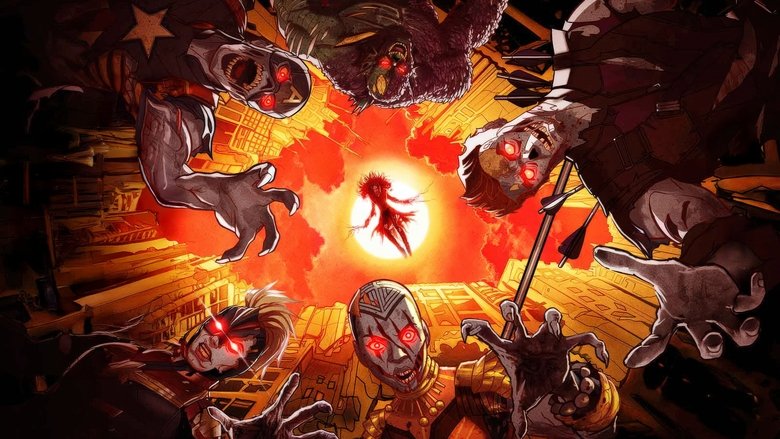
📺 Marvel Zombies (2025)
Part of Marvel Cinematic Universe (MCU)
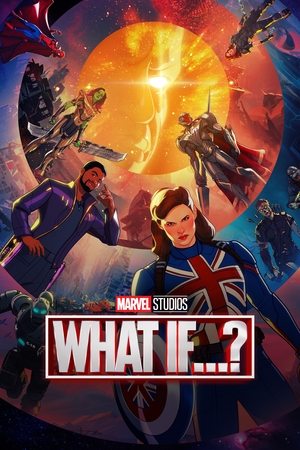
Marvel Zombies is a 2025 animated television series from Marvel Studios Animation that brings the infamous comic book storyline to the screen as a full-fledged series. Created by Bryan Andrews and Zeb Wells, the show serves as a direct spin-off from the acclaimed What If...? episode 'What If... Zombies?!' which first introduced the zombie apocalypse concept to the Marvel Cinematic Universe. Set in that same alternate timeline, the series follows a ragtag group of survivors battling against a world overrun by superpowered zombies, expanding the five-minute episode into a full narrative arc with higher stakes and deeper character exploration.
The original Marvel Zombies comic, written by Robert Kirkman and illustrated by Sean Phillips, debuted in 2005 as a five-issue limited series that shocked readers with its gruesome premise: a virus that turned Earth's mightiest heroes into flesh-eating monsters who retained their intelligence and powers. The comic was a breakout hit, praised for its audacious blend of superhero tropes with genuine horror, and spawned an entire franchise of sequels and spin-offs. The 2025 series marks the first time this beloved and terrifying corner of the Marvel multiverse has been adapted into its own dedicated show, following years of fan demand.
Featuring an ensemble voice cast that includes Iman Vellani as Ms. Marvel, Hailee Steinfeld as Kate Bishop, Florence Pugh as Yelena Belova, David Harbour as Red Guardian, and many other MCU veterans reprising their roles, the series bridges the animated and live-action corners of the franchise. The show retains the comic's signature blend of horror and dark comedy while adapting the story to fit within the established MCU multiverse framework. As the sixteenth television series in the MCU and a continuation of the What If...? anthology's most popular episode, Marvel Zombies represents a bold expansion of Marvel Studios' animated offerings into mature, genre-specific storytelling.
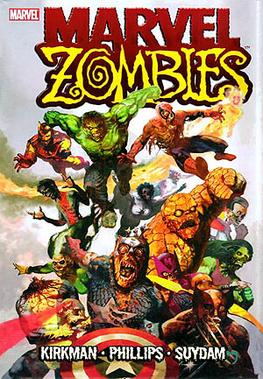
Marvel Zombies is a five-issue comic book limited series published by Marvel Comics from December 2005 to April 2006. Written by Robert Kirkman with art by Sean Phillips and distinctive zombie-variant covers by Arthur Suydam, the series presents a dark alternate universe where virtually all of Marvel's superheroes and villains have been infected by a mysterious virus that transforms them into flesh-eating zombies while retaining their intelligence and superpowers. The story originated from a storyline in Ultimate Fantastic Four, where the zombie Reed Richards tricked his Ultimate counterpart into opening a portal to this horrific dimension.
The series was a critical and commercial success, spawning multiple sequel miniseries including Marvel Zombies 2, Marvel Zombies 3, Marvel Zombies 4, and numerous spin-offs and crossovers such as Marvel Zombies vs. Army of Darkness and Marvel Zombies Return. The original series is notable for its graphic violence, dark humor, and the tragic irony of superpowered beings driven by insatiable hunger, with characters like Colonel America, Spider-Man, and Iron Man struggling with their monstrous transformations. The Marvel Zombies concept became one of Marvel's most popular alternate-universe properties, influencing merchandise, video games, and eventually animated adaptations.
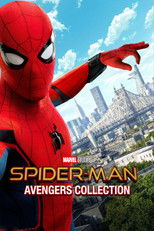
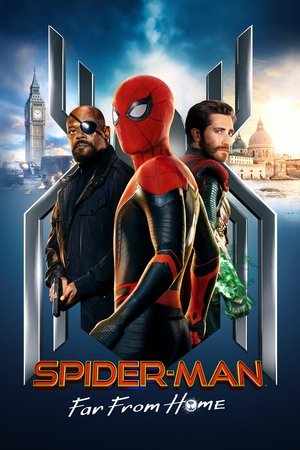
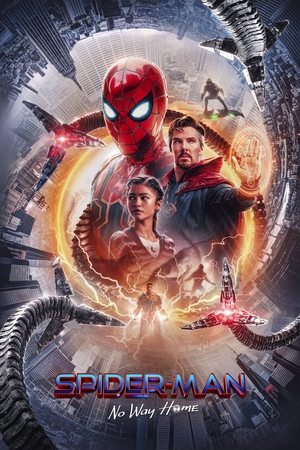
The Spider-Man (MCU) collection is a trilogy of superhero films centered on Peter Parker, a teenage superhero navigating the complexities of adolescence within the larger Marvel Cinematic Universe. Produced by Marvel Studios and distributed by Sony Pictures Releasing, the series marks the character's integration into the MCU following a landmark agreement between the two studios. The films follow Peter as he balances high school life with his secret identity, mentored by Tony Stark, and gradually confronts threats that escalate from local menaces to multiverse-shattering crises. This collection is defined by its coming-of-age narrative, blending the spectacle of superhero action with the relatable struggles of youth, friendship, and responsibility.
The trilogy explores Peter's evolution from an eager, inexperienced hero seeking approval to a self-reliant figure who understands the weight of his choices. Thematically, it grapples with identity, loss, and the consequences of living a double life, all while maintaining a light, humorous tone characteristic of the MCU's Spider-Man. The films are deeply interconnected with the broader MCU, with events from other films directly impacting Peter's journey, and his actions, in turn, sending ripples through the shared universe. This interconnectedness culminates in a narrative that not only honors the legacy of previous Spider-Man adaptations but also expands the possibilities of the character within a vast, interconnected superhero landscape.
Culturally, the collection has been a significant commercial and critical success, revitalizing the Spider-Man film brand for a new generation. It successfully reintroduced the character without retelling his origin story, instead focusing on his growth within an already established world of heroes. The trilogy's blend of high school comedy, heartfelt drama, and large-scale superhero action resonated with audiences, making it a standout within the MCU's sprawling narrative. Its impact is evident in its box office performance and its role in bridging different eras of Spider-Man cinema, creating a unique, celebratory event for fans.
The legacy of this collection lies in its innovative approach to a well-known character, proving that a fresh perspective can reinvigorate even the most familiar stories. By embedding Spider-Man firmly within the MCU, the trilogy allowed for character dynamics and plot developments impossible in a standalone series, while still delivering a deeply personal arc for Peter Parker. It stands as a testament to collaborative studio filmmaking and a defining chapter in the ongoing story of one of pop culture's most enduring heroes.