📺 Marvel's Runaways (2017)
Part of Marvel Cinematic Universe (MCU)
When Hulu's "Marvel's Runaways" premiered in 2017, it faced the unique challenge of adapting a beloved comic that thrived on the breakneck pace of kids discovering their parents are supervillains and immediately hitting the road. The series, developed by Josh Schwartz and Stephanie Savage, made a bold structural change by slowing that timeline to a crawl, stretching the initial discovery across an entire season. This allowed the show to deepen the parents' roles significantly, transforming the Pride from a shadowy cabal into complex, often sympathetic characters with their own motivations, histories, and even a shared history with a mysterious benefactor named Jonah. This narrative expansion, while a departure from the comic's immediate flight, gave the series a distinct identity, focusing as much on the familial drama and moral gray areas of the adults as on the teenagers' rebellion.
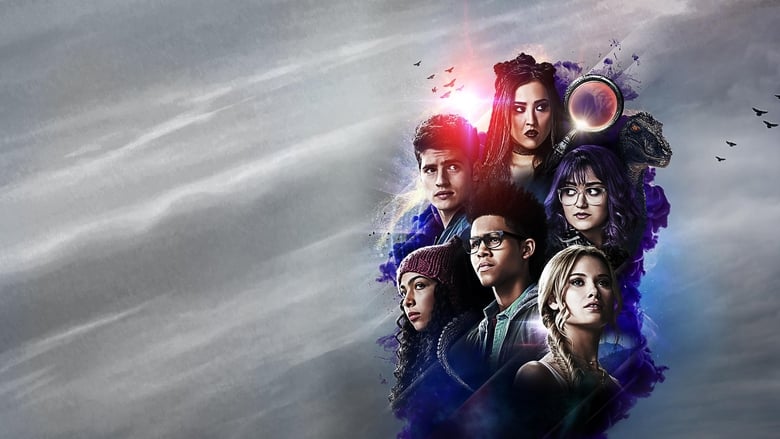
The core teenage cast remained faithful to the spirit of their four-color counterparts, with Rhenzy Feliz as Alex, Lyrica Okano as Nico, Virginia Gardner as Karolina, Ariela Barer as Gert, Gregg Sulkin as Chase, and Allegra Acosta as Molly. The show successfully translated key elements like Gert's telepathic link with her genetically engineered dinosaur, Old Lace, and Nico's summoning of the Staff of One through her own blood. However, it wove these fantastical elements into a more grounded, teen-soap aesthetic characteristic of Schwartz and Savage's previous work on shows like "The O.C." and "Gossip Girl." This approach drew mixed reactions; some praised the character-driven drama, while others felt it muted the comic's more vibrant, adventurous tone. A standout element was the immediate and authentic portrayal of Karolina's journey of self-discovery and her relationship with Nico, bringing a central queer romance to the forefront of an MCU story years before it became more common in the films.
Set within the Marvel Cinematic Universe, the show existed in a strange limbo, acknowledging the larger world with passing references to Wakanda and the events of other films, yet rarely intersecting with them in a meaningful way until its final season. The third season notably introduced Elizabeth Hurley as Morgan le Fay and finally brought the team into contact with the wider MCU through a crossover with "Cloak & Dagger." Despite a dedicated fanbase and critical appreciation for its diverse cast and progressive storytelling, "Marvel's Runaways" was canceled after three seasons, a victim of Marvel Television's dissolution and the broader consolidation of Marvel properties under Marvel Studios. It remains a fascinating artifact of the MCU's experimental television era, a show that dared to prioritize a slow-burn family drama over superhero spectacle.

Runaways is a superhero comic book series published by Marvel Comics, created by writer Brian K. Vaughan and artist Adrian Alphona. It first launched in July 2003 as part of Marvel's Tsunami imprint, which was aimed at attracting new readers with accessible, contemporary stories. The series centers on a group of six teenagers who discover that their seemingly ordinary parents are actually "the Pride," a secret cabal of supervillains controlling Los Angeles. Horrified by this revelation, the kids reject their parents' legacy, discover their own inherited powers and abilities, and go on the run together, forming a makeshift family while trying to atone for the sins of their parents.
The original cast included Alex Wilder, a tactical genius; Nico Minoru, a powerful witch; Karolina Dean, an alien with solar-based abilities; Gertrude Yorkes, bonded to a genetically engineered dinosaur; Chase Stein, who steals his father's high-tech gauntlets; and Molly Hayes, a super-strong mutant. The series was praised for its sharp dialogue, diverse characters, and its fresh take on the teen superhero genre, often drawing comparisons to coming-of-age stories like The Breakfast Club. Although the initial run was canceled after eighteen issues, strong trade paperback sales led Marvel to revive the series in 2005, and it continued in various volumes and creative teams over the years.
Throughout its publication history, Runaways has been celebrated for its representation of LGBTQ+ characters, its exploration of chosen family dynamics, and its willingness to tackle darker themes such as betrayal, trauma, and moral ambiguity. The team expanded over time to include characters like the cyborg Victor Mancha, the shape-shifting Skrull Xavin, and the plant-controlling Klara Prast. The series remains a cult favorite among comic book fans and is considered one of the defining teen superhero books of the early 2000s.
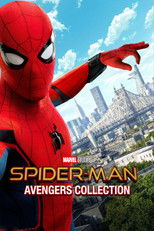
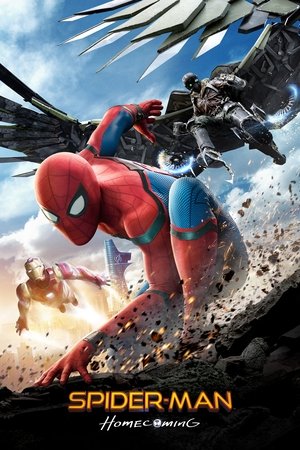
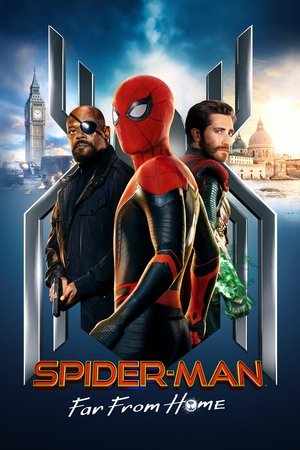
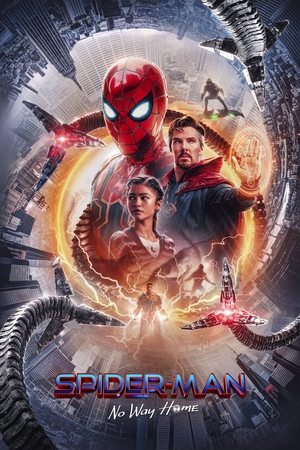
The Spider-Man (MCU) collection is a trilogy of superhero films centered on Peter Parker, a teenage superhero navigating the complexities of adolescence within the larger Marvel Cinematic Universe. Produced by Marvel Studios and distributed by Sony Pictures Releasing, the series marks the character's integration into the MCU following a landmark agreement between the two studios. The films follow Peter as he balances high school life with his secret identity, mentored by Tony Stark, and gradually confronts threats that escalate from local menaces to multiverse-shattering crises. This collection is defined by its coming-of-age narrative, blending the spectacle of superhero action with the relatable struggles of youth, friendship, and responsibility.
The trilogy explores Peter's evolution from an eager, inexperienced hero seeking approval to a self-reliant figure who understands the weight of his choices. Thematically, it grapples with identity, loss, and the consequences of living a double life, all while maintaining a light, humorous tone characteristic of the MCU's Spider-Man. The films are deeply interconnected with the broader MCU, with events from other films directly impacting Peter's journey, and his actions, in turn, sending ripples through the shared universe. This interconnectedness culminates in a narrative that not only honors the legacy of previous Spider-Man adaptations but also expands the possibilities of the character within a vast, interconnected superhero landscape.
Culturally, the collection has been a significant commercial and critical success, revitalizing the Spider-Man film brand for a new generation. It successfully reintroduced the character without retelling his origin story, instead focusing on his growth within an already established world of heroes. The trilogy's blend of high school comedy, heartfelt drama, and large-scale superhero action resonated with audiences, making it a standout within the MCU's sprawling narrative. Its impact is evident in its box office performance and its role in bridging different eras of Spider-Man cinema, creating a unique, celebratory event for fans.
The legacy of this collection lies in its innovative approach to a well-known character, proving that a fresh perspective can reinvigorate even the most familiar stories. By embedding Spider-Man firmly within the MCU, the trilogy allowed for character dynamics and plot developments impossible in a standalone series, while still delivering a deeply personal arc for Peter Parker. It stands as a testament to collaborative studio filmmaking and a defining chapter in the ongoing story of one of pop culture's most enduring heroes.