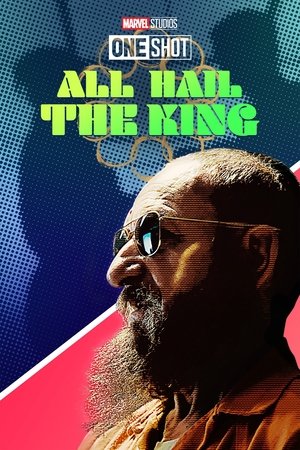
🎬 Marvel One-Shot: Item 47 (2012)
Part of Marvel Cinematic Universe (MCU)
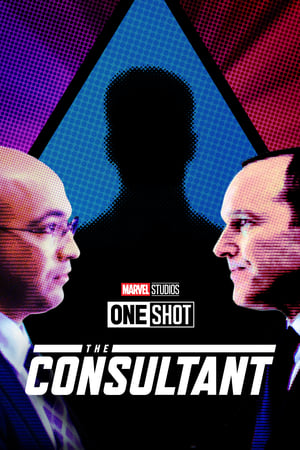
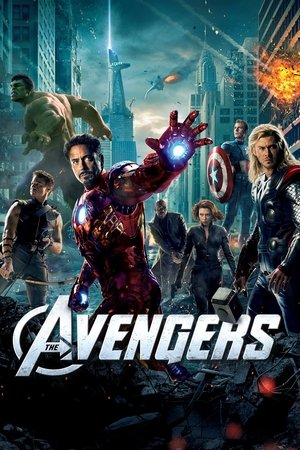
Marvel One-Shot: Item 47 is a fascinating little bridge in the Marvel Cinematic Universe, taking a single, throwaway consequence of The Avengers and spinning it into a grounded, character-driven short. Rather than focusing on the grand heroics of Iron Man or Captain America, the film zooms in on the human-scale fallout of an alien invasion: a single piece of Chitauri weaponry left behind in the rubble of New York City. This premise allows the short to explore the core mission of S.H.I.E.L.D. in a way the feature films rarely have time for, showing the agency not as a backdrop for superhero battles, but as a reactive intelligence force dealing with the dangerous proliferation of advanced technology in a suddenly very chaotic world.
The short cleverly adapts the spirit of the S.H.I.E.L.D. comics by focusing on the agents on the ground. Jasper Sitwell, a minor character from the films, is elevated to a lead role, embodying the pragmatic, morally flexible operative that defines the organization. The story’s resolution, where the bumbling criminals Bennie and Claire are not neutralized but recruited, is a perfect distillation of S.H.I.E.L.D.’s comic book ethos: finding a use for everything and everyone in the name of global security. It’s a direct nod to the agency’s long history of co-opting talent, from reformed villains to brilliant civilians, to serve a greater purpose.
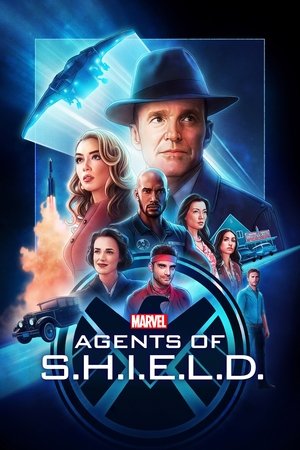
Directed by Marvel Studios co-president Louis D'Esposito, Item 47 was more than just a DVD bonus feature; it served as a vital proof of concept. The short’s success in showcasing a S.H.I.E.L.D.-centric narrative with lower-tier agents and a case-of-the-week structure directly led to ABC ordering the television series Agents of S.H.I.E.L.D. The dynamic between the seasoned agents and the newly recruited civilians in the short became a template for the show’s central relationship between Agent Coulson and his team of specialists. In this way, a 12-minute short film became a pivotal piece of MCU connective tissue, proving that the universe could expand not just through blockbuster events, but through the smaller, more personal stories of the people tasked with cleaning up the mess.

S.H.I.E.L.D., which stands for Strategic Homeland Intervention, Enforcement and Logistics Division, is a fictional espionage and intelligence agency in the Marvel Comics universe. It first appeared in Strange Tales #135 in 1965, created by writer Stan Lee and artist Jack Kirby. The organization serves as a peacekeeping force tasked with protecting Earth from superhuman threats, advanced technology, and global dangers in a world populated by superheroes and villains.
Led by director Nick Fury, S.H.I.E.L.D. employs highly trained agents, advanced weaponry, and specialized divisions like the Howling Commandos and H.A.M.M.E.R. The agency's operations often intersect with the Avengers, Fantastic Four, and other heroes, combating organizations such as Hydra and A.I.M. Its premise explores themes of government oversight in a superpowered world, covert operations, and the moral ambiguities of espionage. Iconic elements include the Helicarrier, a massive flying aircraft carrier that symbolizes the agency's technological prowess.
S.H.I.E.L.D. has become one of Marvel's cornerstone organizations, appearing in thousands of comic issues across decades. Its enduring legacy lies in embodying Cold War-era spy thriller tropes adapted to superhero narratives, influencing countless stories and establishing a template for institutional heroes in comics.
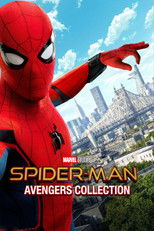
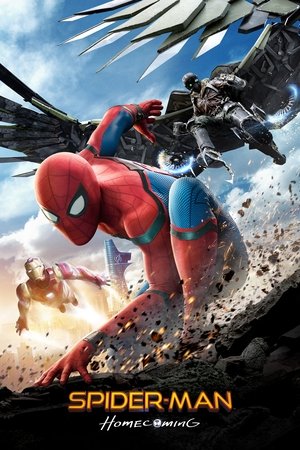
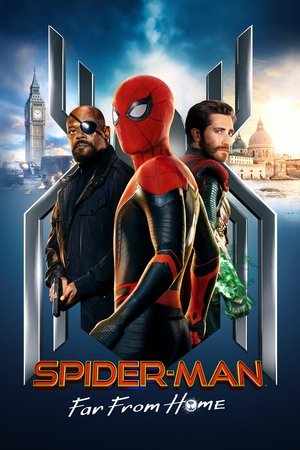
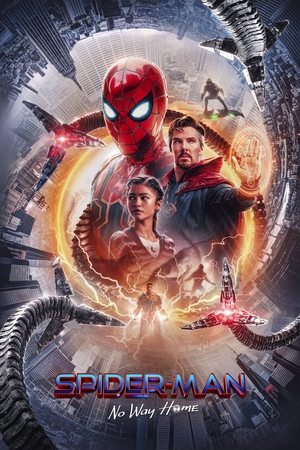
The Spider-Man (MCU) collection is a trilogy of superhero films centered on Peter Parker, a teenage superhero navigating the complexities of adolescence within the larger Marvel Cinematic Universe. Produced by Marvel Studios and distributed by Sony Pictures Releasing, the series marks the character's integration into the MCU following a landmark agreement between the two studios. The films follow Peter as he balances high school life with his secret identity, mentored by Tony Stark, and gradually confronts threats that escalate from local menaces to multiverse-shattering crises. This collection is defined by its coming-of-age narrative, blending the spectacle of superhero action with the relatable struggles of youth, friendship, and responsibility.
The trilogy explores Peter's evolution from an eager, inexperienced hero seeking approval to a self-reliant figure who understands the weight of his choices. Thematically, it grapples with identity, loss, and the consequences of living a double life, all while maintaining a light, humorous tone characteristic of the MCU's Spider-Man. The films are deeply interconnected with the broader MCU, with events from other films directly impacting Peter's journey, and his actions, in turn, sending ripples through the shared universe. This interconnectedness culminates in a narrative that not only honors the legacy of previous Spider-Man adaptations but also expands the possibilities of the character within a vast, interconnected superhero landscape.
Culturally, the collection has been a significant commercial and critical success, revitalizing the Spider-Man film brand for a new generation. It successfully reintroduced the character without retelling his origin story, instead focusing on his growth within an already established world of heroes. The trilogy's blend of high school comedy, heartfelt drama, and large-scale superhero action resonated with audiences, making it a standout within the MCU's sprawling narrative. Its impact is evident in its box office performance and its role in bridging different eras of Spider-Man cinema, creating a unique, celebratory event for fans.
The legacy of this collection lies in its innovative approach to a well-known character, proving that a fresh perspective can reinvigorate even the most familiar stories. By embedding Spider-Man firmly within the MCU, the trilogy allowed for character dynamics and plot developments impossible in a standalone series, while still delivering a deeply personal arc for Peter Parker. It stands as a testament to collaborative studio filmmaking and a defining chapter in the ongoing story of one of pop culture's most enduring heroes.