🎬 Ant-Man (2015)
Part of Marvel Cinematic Universe (MCU)
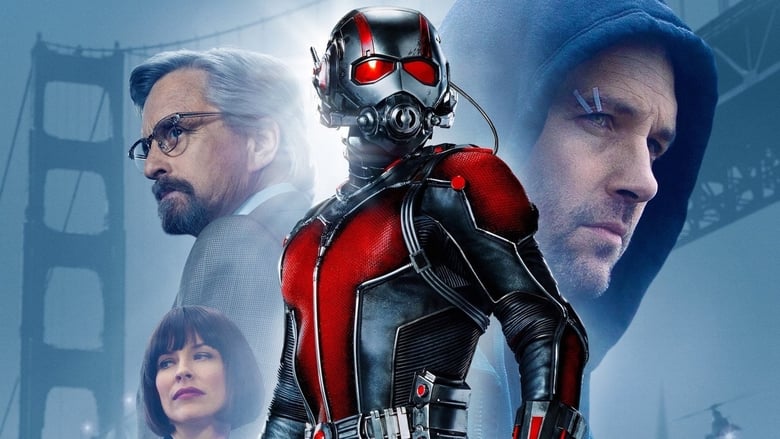
Marvel Studios' Ant-Man brought one of the comic book giant's more obscure heroes into the Marvel Cinematic Universe spotlight in 2015. The film primarily draws from the Scott Lang incarnation of the character, who first appeared in Marvel Premiere #47 in 1979, though it also heavily features the original Ant-Man, Hank Pym, as a mentor figure. In a significant departure from the comics, the film positions Pym as an aging scientist from the Cold War era who created the shrinking technology decades earlier, passing the mantle to Lang in the present day. This dual-protagonist approach allowed the film to honor the character's full comic book history while building a fresh narrative for the MCU.
The road to the screen was famously turbulent. Director Edgar Wright had been developing the project since 2006, writing multiple drafts with Joe Cornish and even shooting test footage. Wright's vision was a standalone heist comedy that existed somewhat apart from the larger MCU. When he departed in 2014 due to the infamous "creative differences," Peyton Reed stepped in, and the script was reworked by Adam McKay and star Paul Rudd to more tightly integrate with the established cinematic universe. Despite the behind-the-scenes drama, the film retained its heist-movie DNA, distinguishing itself from other superhero fare with a lighter tone and smaller stakes—literally and figuratively.
Casting proved inspired across the board. Paul Rudd brought his signature everyman charm to Scott Lang, a cat burglar trying to go straight for the sake of his young daughter. Michael Douglas lent gravitas as the embittered Hank Pym, while Evangeline Lilly's Hope van Dyne laid the groundwork for her eventual transformation into the Wasp. Corey Stoll's Darren Cross, reimagined as the villainous Yellowjacket, served as a dark mirror to both Pym and Lang. The film also introduced the Quantum Realm, a microscopic dimension that would become increasingly important to the MCU's multiverse-spanning storylines in later phases.
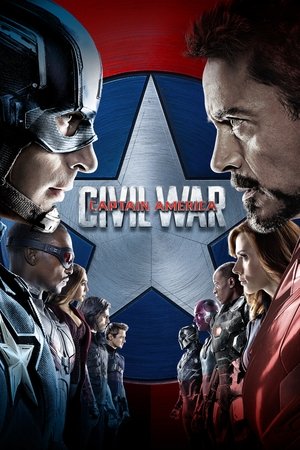
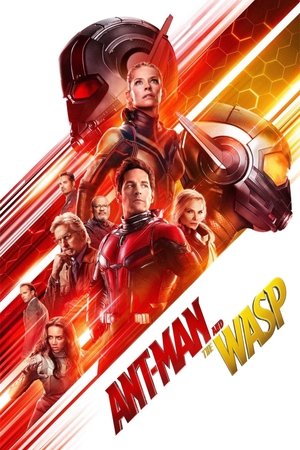
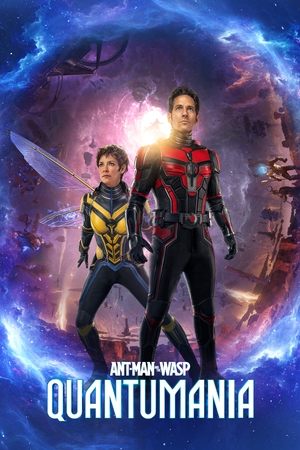
Ant-Man was a commercial and critical success, proving that Marvel could turn even their lesser-known properties into crowd-pleasing blockbusters. The film's inventive visual effects—particularly the shrinking sequences that turned ordinary environments into epic landscapes—earned widespread praise. It spawned a direct sequel, Ant-Man and the Wasp, in 2018, and a third installment, Ant-Man and the Wasp: Quantumania, in 2023, with the character also playing a pivotal role in Captain America: Civil War and Avengers: Endgame. What began as one of Marvel's riskiest gambles became a beloved corner of their sprawling universe.

Ant-Man is the name of several superheroes appearing in American comic books published by Marvel Comics. The original Ant-Man, Dr. Henry 'Hank' Pym, was created by Stan Lee, Larry Lieber, and Jack Kirby, first appearing in Tales to Astonish #27 in January 1962. Pym is a brilliant scientist who discovers a group of subatomic particles, which he dubs 'Pym Particles,' that allow him to alter his size. He invents a cybernetic helmet that enables him to communicate with and control ants, using them as allies in his crime-fighting endeavors. Over the decades, the mantle of Ant-Man has been taken up by other characters, most notably Scott Lang, a reformed thief who steals the Ant-Man suit to save his daughter, and Eric O'Grady, a morally ambiguous S.H.I.E.L.D. agent.
The character has been a foundational member of the Avengers since the team's inception, with Pym being a founding member. The Ant-Man identity has been associated with themes of scientific exploration, redemption, and the idea that heroism can come in small packages. The comic series has explored the microverse, a subatomic universe, which has served as the inspiration for the Quantum Realm in the Marvel Cinematic Universe. The character's legacy is one of scientific wonder and personal struggle, with each bearer of the Ant-Man name bringing their own unique perspective to the role.
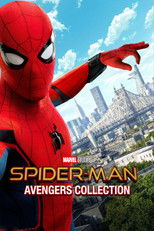
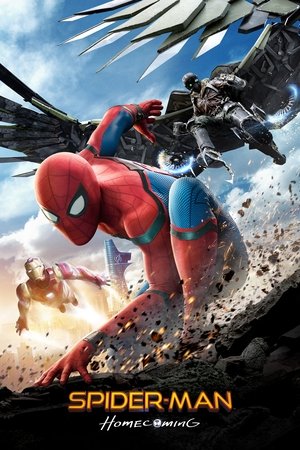
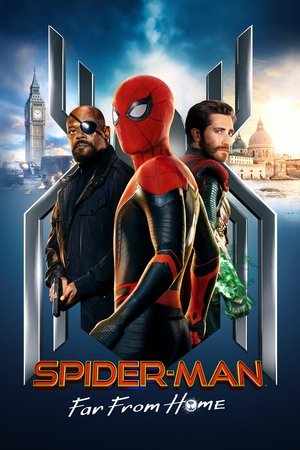
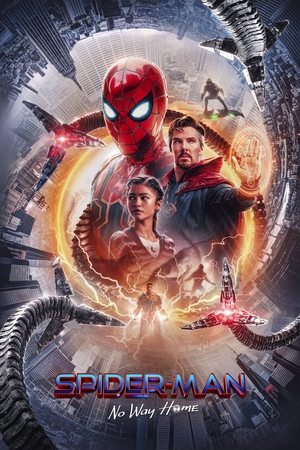
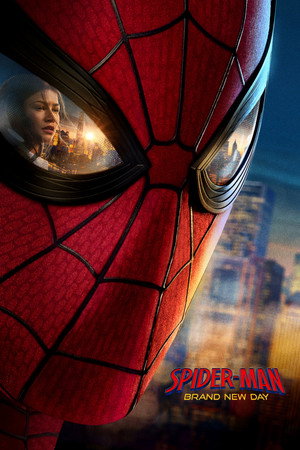
The Spider-Man (MCU) collection is a trilogy of superhero films centered on Peter Parker, a teenage superhero navigating the complexities of adolescence within the larger Marvel Cinematic Universe. Produced by Marvel Studios and distributed by Sony Pictures Releasing, the series marks the character's integration into the MCU following a landmark agreement between the two studios. The films follow Peter as he balances high school life with his secret identity, mentored by Tony Stark, and gradually confronts threats that escalate from local menaces to multiverse-shattering crises. This collection is defined by its coming-of-age narrative, blending the spectacle of superhero action with the relatable struggles of youth, friendship, and responsibility.
The trilogy explores Peter's evolution from an eager, inexperienced hero seeking approval to a self-reliant figure who understands the weight of his choices. Thematically, it grapples with identity, loss, and the consequences of living a double life, all while maintaining a light, humorous tone characteristic of the MCU's Spider-Man. The films are deeply interconnected with the broader MCU, with events from other films directly impacting Peter's journey, and his actions, in turn, sending ripples through the shared universe. This interconnectedness culminates in a narrative that not only honors the legacy of previous Spider-Man adaptations but also expands the possibilities of the character within a vast, interconnected superhero landscape.
Culturally, the collection has been a significant commercial and critical success, revitalizing the Spider-Man film brand for a new generation. It successfully reintroduced the character without retelling his origin story, instead focusing on his growth within an already established world of heroes. The trilogy's blend of high school comedy, heartfelt drama, and large-scale superhero action resonated with audiences, making it a standout within the MCU's sprawling narrative. Its impact is evident in its box office performance and its role in bridging different eras of Spider-Man cinema, creating a unique, celebratory event for fans.
The legacy of this collection lies in its innovative approach to a well-known character, proving that a fresh perspective can reinvigorate even the most familiar stories. By embedding Spider-Man firmly within the MCU, the trilogy allowed for character dynamics and plot developments impossible in a standalone series, while still delivering a deeply personal arc for Peter Parker. It stands as a testament to collaborative studio filmmaking and a defining chapter in the ongoing story of one of pop culture's most enduring heroes.
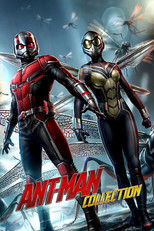
The Ant-Man film series is a superhero trilogy within the Marvel Cinematic Universe, based on the Marvel Comics characters of the same name. The series centers on the legacy of the Ant-Man mantle, passed from original creator Hank Pym to ex-convict Scott Lang, who is recruited to become the new size-shifting hero. The narrative explores the discovery and application of Pym Particles, subatomic matter that allows users to shrink or grow in scale, and delves into the mysterious Quantum Realm, a dimension beyond normal space-time. Across the three films, the story balances heist-style capers with family dynamics, as Scott Lang strives to be a good father while navigating the responsibilities of heroism alongside Hope van Dyne, who becomes the Wasp, and Hank Pym's family legacy. The trilogy expands from a relatively grounded, comedic origin story to a multiversal adventure, introducing key concepts that ripple through the larger MCU narrative. Thematically, the series emphasizes redemption, second chances, and the idea that heroism can come from unlikely places, often using size manipulation as a metaphor for perspective and personal growth. Culturally, the Ant-Man films have carved a distinctive niche by blending humor, heart, and inventive visual sequences that play with scale, proving that smaller-scale, character-driven stories can thrive within a massive interconnected saga. The series has been commercially successful and generally well-received, with the first two entries praised for their lighthearted tone and the third for its ambitious scope, though critical reception has varied. Overall, the trilogy stands as a testament to the MCU's ability to elevate lesser-known comic properties into beloved cinematic staples.