📺 Marvel's Inhumans (2017)
Part of Marvel Cinematic Universe (MCU)
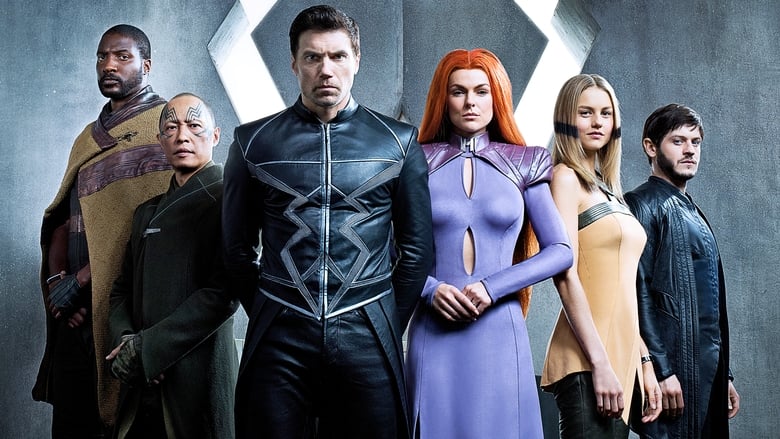
Marvel's Inhumans arrived in 2017 with an unprecedented level of ambition, becoming the first live-action television series to premiere its opening episodes in IMAX theaters. The series, developed by Scott Buck, centered on the Inhuman Royal Family after a military coup forces Black Bolt, the silent king whose voice can level mountains, and his queen Medusa to flee their hidden city of Attilan for the unfamiliar landscape of Hawaii. The theatrical release was intended to signal a cinematic quality, but the show quickly became a cautionary tale about the gap between grand concepts and their execution. The decision to strip Medusa of her signature prehensile hair early in the narrative, a move driven by budgetary and practical effects limitations, became emblematic of a production that struggled to translate the cosmic grandeur of Jack Kirby's creations to the small screen.
The adaptation made significant departures from the source material, most notably in its handling of the characters' power levels and the visual representation of Attilan. Black Bolt's costume was simplified to a more grounded, tactical look, losing the iconic tuning fork headpiece that had defined the character for decades. The series also introduced new characters, such as Ellen Woglom's Louise, a human aerospace engineer who serves as the audience's point of entry into the Inhuman world. The villain Maximus, played by Iwan Rheon, was reimagined as a more sympathetic, human-scale antagonist whose rebellion stemmed from the caste system of Attilan, a system that was itself a new addition to the mythology, creating a class divide between those who had undergone Terrigenesis and those who had not.
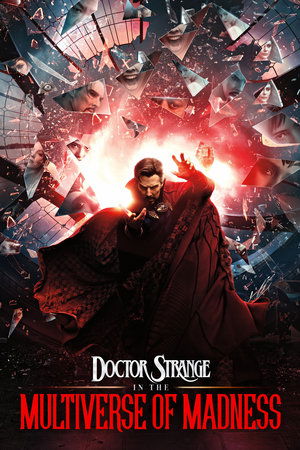
Critical and audience reception was overwhelmingly negative, with the series being widely panned for its cheap-looking production design, stilted dialogue, and a perceived failure to capture the epic, Shakespearean drama of the comics. The IMAX experiment backfired, as the high-resolution format only served to highlight the show's visual shortcomings. The eight-episode run on ABC drew low ratings, and the series was quietly cancelled after a single season. Anson Mount's performance as Black Bolt was one of the few elements to receive some praise, a fact that would later lead to a surprising redemption when he was brought back to reprise the role in the 2022 film Doctor Strange in the Multiverse of Madness, a cameo that acknowledged the character's existence while effectively serving as a soft reboot.
Despite its failure, Marvel's Inhumans remains a fascinating artifact of the Marvel Cinematic Universe's television era. It stands as the final series produced by Marvel Television before the division was folded into Marvel Studios, marking the end of an ambitious but often disjointed attempt to build a connected universe across network TV. The show's legacy is one of missed potential, a stark reminder that a beloved comic property and a novel distribution deal are no substitute for the resources and creative vision needed to bring a world of genetic destiny and royal intrigue to life.
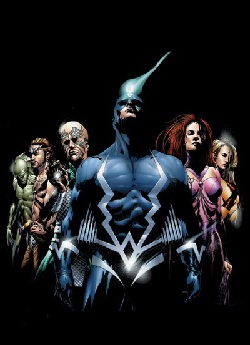
The Inhumans are a fictional race of superhumans appearing in American comic books published by Marvel Comics. They were created by writer Stan Lee and artist Jack Kirby, making their debut in Fantastic Four #45 in December 1965, though individual members like Medusa and Gorgon had appeared in earlier issues. The concept of their hidden city, Attilan, dates back even further to a story by Kirby in Captain America Comics #1 from 1941.
The Inhumans are an offshoot of humanity genetically altered by the alien Kree millions of years ago. Their society is built around exposure to the Terrigen Mists, a mutagenic substance that grants each Inhuman a unique superhuman ability. The stories typically center on the Inhuman Royal Family, led by the silent king Black Bolt, whose voice can level cities, and his queen Medusa, who possesses prehensile hair. Other prominent members include Karnak, Gorgon, Triton, Crystal, and the teleporting canine Lockjaw.
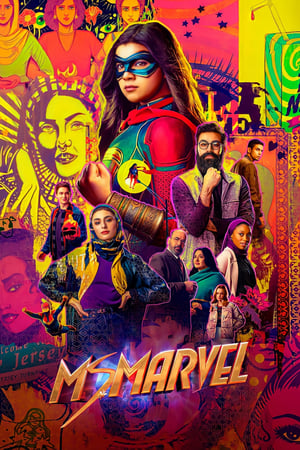
Over the decades, the Inhumans have played significant roles in major Marvel storylines, including the Kree-Skrull War, Silent War, Secret Invasion, and Infinity. In 2013, Marvel Comics launched a major push for the characters with the Inhumanity event, which saw new Inhuman populations emerge worldwide after the Terrigen Mists were released across Earth. This led to several new series, including Ms. Marvel featuring Kamala Khan, a Pakistani-American teenager who discovers she is an Inhuman.
The Inhumans have become a distinctive part of the Marvel Universe, exploring themes of isolation, genetic destiny, and the tension between tradition and change. Their complex royal politics and Shakespearean family dynamics set them apart from typical superhero teams, making them one of Jack Kirby's most enduring creations.
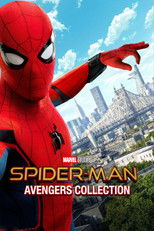
The Spider-Man (MCU) collection is a trilogy of superhero films centered on Peter Parker, a teenage superhero navigating the complexities of adolescence within the larger Marvel Cinematic Universe. Produced by Marvel Studios and distributed by Sony Pictures Releasing, the series marks the character's integration into the MCU following a landmark agreement between the two studios. The films follow Peter as he balances high school life with his secret identity, mentored by Tony Stark, and gradually confronts threats that escalate from local menaces to multiverse-shattering crises. This collection is defined by its coming-of-age narrative, blending the spectacle of superhero action with the relatable struggles of youth, friendship, and responsibility.
The trilogy explores Peter's evolution from an eager, inexperienced hero seeking approval to a self-reliant figure who understands the weight of his choices. Thematically, it grapples with identity, loss, and the consequences of living a double life, all while maintaining a light, humorous tone characteristic of the MCU's Spider-Man. The films are deeply interconnected with the broader MCU, with events from other films directly impacting Peter's journey, and his actions, in turn, sending ripples through the shared universe. This interconnectedness culminates in a narrative that not only honors the legacy of previous Spider-Man adaptations but also expands the possibilities of the character within a vast, interconnected superhero landscape.
Culturally, the collection has been a significant commercial and critical success, revitalizing the Spider-Man film brand for a new generation. It successfully reintroduced the character without retelling his origin story, instead focusing on his growth within an already established world of heroes. The trilogy's blend of high school comedy, heartfelt drama, and large-scale superhero action resonated with audiences, making it a standout within the MCU's sprawling narrative. Its impact is evident in its box office performance and its role in bridging different eras of Spider-Man cinema, creating a unique, celebratory event for fans.
The legacy of this collection lies in its innovative approach to a well-known character, proving that a fresh perspective can reinvigorate even the most familiar stories. By embedding Spider-Man firmly within the MCU, the trilogy allowed for character dynamics and plot developments impossible in a standalone series, while still delivering a deeply personal arc for Peter Parker. It stands as a testament to collaborative studio filmmaking and a defining chapter in the ongoing story of one of pop culture's most enduring heroes.