🎬 Black Panther: Wakanda Forever (2022)
Part of Marvel Cinematic Universe (MCU)
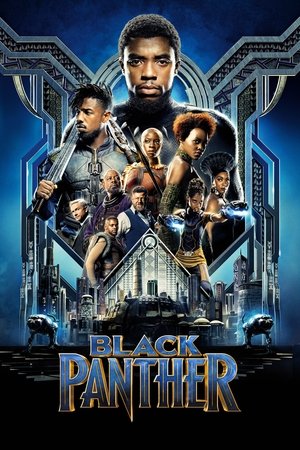
Black Panther: Wakanda Forever is the 2022 sequel to the groundbreaking 2018 film Black Panther, and the 30th installment in the Marvel Cinematic Universe. The film faced the immense challenge of continuing the story after the tragic death of Chadwick Boseman, who portrayed King T'Challa. Rather than recast the role, director Ryan Coogler crafted a narrative about grief, legacy, and resilience, with the characters in the film mourning T'Challa's passing just as the cast and crew mourned Boseman.
The film draws from the rich history of the Black Panther comics, first introduced by Stan Lee and Jack Kirby in 1966. While the first film pulled heavily from Christopher Priest and Reginald Hudlin's runs, Wakanda Forever introduces elements from the comics' deep lore, including Namor the Sub-Mariner, one of Marvel's oldest characters, reimagined here as the ruler of the underwater kingdom of Talokan, inspired by Mesoamerican culture. The film also elevates Shuri, T'Challa's genius sister, to a central role, echoing storylines from the comics where she has taken up the mantle of the Black Panther.
Wakanda Forever expands the world of Wakanda while honoring what came before. It introduces new characters like Riri Williams, a young inventor who becomes Ironheart, and explores the geopolitical consequences of Wakanda's emergence onto the world stage. The film was both a critical and commercial success, earning Angela Bassett an Academy Award nomination for her powerful performance as Queen Ramonda, and serving as a poignant tribute to Boseman's enduring legacy.

Black Panther is a superhero created by writer Stan Lee and artist Jack Kirby, first appearing in Fantastic Four #52 in July 1966. He is the first black superhero in mainstream American comic books, debuting years before other notable black heroes. The character, whose real name is T'Challa, is the king and protector of the fictional African nation of Wakanda, a technologically advanced society rich in the rare metal vibranium.
T'Challa gains enhanced abilities through a heart-shaped herb and rigorous training, granting him superhuman senses, strength, and agility. As the Black Panther, he serves as both monarch and warrior, balancing political leadership with his role as a costumed hero. The character has been a member of the Avengers and has crossed paths with virtually every major Marvel hero.
Over the decades, Black Panther has been featured in numerous solo series and miniseries, with acclaimed runs by writers such as Don McGregor, Christopher Priest, Reginald Hudlin, and Ta-Nehisi Coates. The character's stories often explore themes of African identity, colonialism, isolationism versus global responsibility, and the duties of leadership. Black Panther remains one of Marvel's most culturally significant and enduring characters.

The Spider-Man (MCU) collection is a trilogy of superhero films centered on Peter Parker, a teenage superhero navigating the complexities of adolescence within the larger Marvel Cinematic Universe. Produced by Marvel Studios and distributed by Sony Pictures Releasing, the series marks the character's integration into the MCU following a landmark agreement between the two studios. The films follow Peter as he balances high school life with his secret identity, mentored by Tony Stark, and gradually confronts threats that escalate from local menaces to multiverse-shattering crises. This collection is defined by its coming-of-age narrative, blending the spectacle of superhero action with the relatable struggles of youth, friendship, and responsibility.
The trilogy explores Peter's evolution from an eager, inexperienced hero seeking approval to a self-reliant figure who understands the weight of his choices. Thematically, it grapples with identity, loss, and the consequences of living a double life, all while maintaining a light, humorous tone characteristic of the MCU's Spider-Man. The films are deeply interconnected with the broader MCU, with events from other films directly impacting Peter's journey, and his actions, in turn, sending ripples through the shared universe. This interconnectedness culminates in a narrative that not only honors the legacy of previous Spider-Man adaptations but also expands the possibilities of the character within a vast, interconnected superhero landscape.
Culturally, the collection has been a significant commercial and critical success, revitalizing the Spider-Man film brand for a new generation. It successfully reintroduced the character without retelling his origin story, instead focusing on his growth within an already established world of heroes. The trilogy's blend of high school comedy, heartfelt drama, and large-scale superhero action resonated with audiences, making it a standout within the MCU's sprawling narrative. Its impact is evident in its box office performance and its role in bridging different eras of Spider-Man cinema, creating a unique, celebratory event for fans.
The legacy of this collection lies in its innovative approach to a well-known character, proving that a fresh perspective can reinvigorate even the most familiar stories. By embedding Spider-Man firmly within the MCU, the trilogy allowed for character dynamics and plot developments impossible in a standalone series, while still delivering a deeply personal arc for Peter Parker. It stands as a testament to collaborative studio filmmaking and a defining chapter in the ongoing story of one of pop culture's most enduring heroes.

Rooted in the Marvel Comics legacy established by Stan Lee and Jack Kirby in 1966, this cinematic collection brings the mythic kingdom of Wakanda to life on the big screen. The series reimagines the superhero genre through the lens of African futurism, centering on a technologically advanced African nation that has deliberately concealed itself from global scrutiny. By grounding its narrative in rich cultural traditions, political intrigue, and mythic storytelling, the franchise explores the profound responsibilities of leadership and the moral complexities of isolationism.
Beyond its blockbuster appeal, the collection has achieved significant cultural resonance by centering Black excellence, African heritage, and diverse creative voices both in front of and behind the camera. It challenges traditional Hollywood narratives by presenting a society that never experienced the transatlantic slave trade, instead focusing on internal political struggles, scientific innovation, and communal identity. This approach has sparked global conversations about representation, historical reclamation, and the power of cinema to reflect underrepresented perspectives.
The franchise has also left a lasting legacy on the visual and auditory landscape of modern filmmaking. By collaborating with artists, musicians, and designers from across the African continent, the series crafted a distinct aesthetic that blends ancient customs with cutting-edge science fiction. Its success demonstrated that deeply culturally specific stories could achieve universal appeal, paving the way for more diverse and globally inspired narratives in mainstream entertainment.