📺 Marvel's The Defenders (2017)
Part of Marvel Cinematic Universe (MCU)
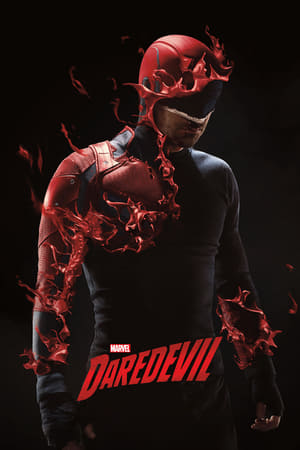
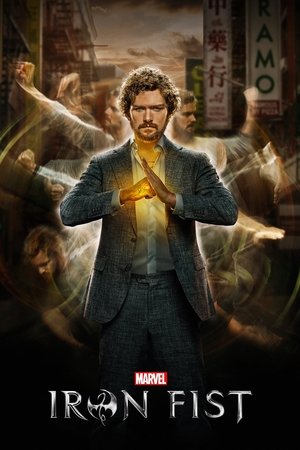
Marvel's The Defenders is a 2017 Netflix miniseries that serves as the culmination of Marvel Television's ambitious street-level corner of the Marvel Cinematic Universe. The series brings together four heroes who had each starred in their own solo Netflix series: Matt Murdock / Daredevil, Jessica Jones, Luke Cage, and Danny Rand / Iron Fist. Created by Douglas Petrie and Marco Ramirez, the eight-episode crossover event sees these reluctant allies unite to face a common threat in the form of the Hand, the ancient criminal organization that has haunted each of their lives in different ways.
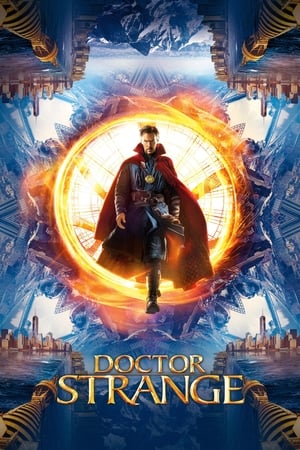
The series draws its name from the Defenders, a Marvel Comics superhero team first introduced in 1971. However, the Netflix version takes significant creative liberties with the source material. In the comics, the original Defenders were a 'non-team' of powerful, often cosmic-level heroes including Doctor Strange, the Hulk, and Namor. The television adaptation instead assembles a street-level team composed of Daredevil, Jessica Jones, Luke Cage, and Iron Fist — characters who had rarely, if ever, been core Defenders members in the comics prior to the show's development. This reimagining was driven by the grounded, gritty tone established across the individual Netflix series, creating a Defenders team that felt organic to the world Marvel Television had built.
Sigourney Weaver joined the cast as Alexandra Reid, an original character created for the series who serves as the primary antagonist and leader of the Hand. The miniseries also features extensive supporting casts from all four predecessor shows, including Elden Henson as Foggy Nelson, Deborah Ann Woll as Karen Page, Rosario Dawson as Claire Temple, and Scott Glenn as Stick. The production faced the challenge of blending the distinct visual and tonal identities of each character's solo series — the dark, crime-drama aesthetic of Daredevil, the noir-tinged psychological thriller approach of Jessica Jones, the blaxploitation-infused energy of Luke Cage, and the mystical martial arts flavor of Iron Fist — into a cohesive whole.
The Defenders represents a landmark in superhero television as one of the first successful small-screen crossover events of its scale, predating the broader integration of Marvel's television and film divisions. While the series received mixed critical reception, with praise for the character interactions and chemistry among the leads but criticism for pacing and the handling of the Hand's mythology, it remains a significant chapter in the MCU's Netflix era. The show's legacy continued through the individual series that followed and through the eventual canonization of this specific Defenders lineup in the comics themselves, with Marvel publishing a Defenders series in 2017 featuring the Netflix roster.
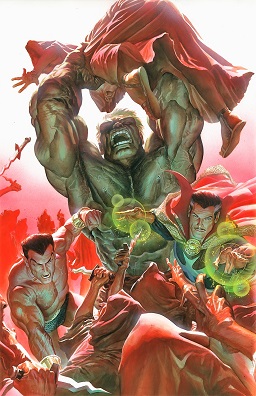
The Defenders is a superhero team appearing in American comic books published by Marvel Comics. The team was created by writer Roy Thomas and artist Ross Andru, first appearing in Marvel Feature #1 in December 1971. The original lineup brought together some of Marvel's most powerful and unconventional heroes: Doctor Strange, the Hulk, and Namor the Sub-Mariner. Unlike traditional superhero teams such as the Avengers or the Fantastic Four, the Defenders were initially conceived as a 'non-team' — a loose alliance of individualistic heroes who came together reluctantly to face threats too great for any one of them to handle alone.
Over the decades, the Defenders' roster has been fluid and ever-changing, incorporating a vast array of Marvel characters including the Silver Surfer, Valkyrie, Nighthawk, Hellcat, and many others. The team's stories often delved into mystical, cosmic, and supernatural realms, reflecting the influence of Doctor Strange's world. The Defenders have been featured in multiple ongoing series, limited series, and one-shots, with notable runs by writers such as Steve Englehart, Steve Gerber, and J.M. DeMatteis.
While the comic book Defenders traditionally featured a different lineup, the concept of a street-level Defenders team — consisting of Daredevil, Jessica Jones, Luke Cage, and Iron Fist — was introduced in the comics in the 2010s, directly inspired by the Netflix television crossover. This version of the team, created by writer Brian Michael Bendis, brought the four heroes together to protect New York City from organized crime and supernatural threats, bridging the gap between the classic Defenders legacy and the Marvel Cinematic Universe's interpretation.
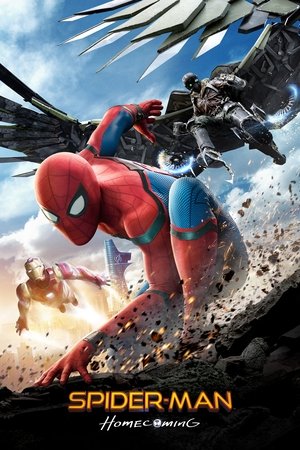
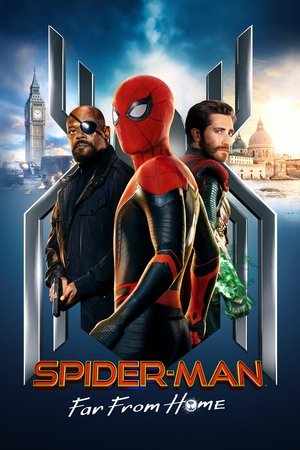
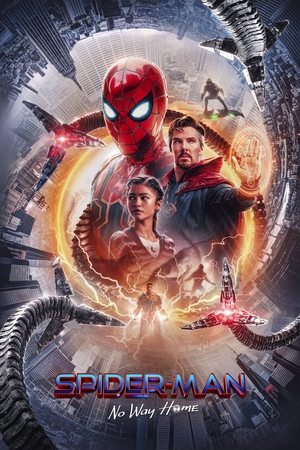
The Spider-Man (MCU) collection is a trilogy of superhero films centered on Peter Parker, a teenage superhero navigating the complexities of adolescence within the larger Marvel Cinematic Universe. Produced by Marvel Studios and distributed by Sony Pictures Releasing, the series marks the character's integration into the MCU following a landmark agreement between the two studios. The films follow Peter as he balances high school life with his secret identity, mentored by Tony Stark, and gradually confronts threats that escalate from local menaces to multiverse-shattering crises. This collection is defined by its coming-of-age narrative, blending the spectacle of superhero action with the relatable struggles of youth, friendship, and responsibility.
The trilogy explores Peter's evolution from an eager, inexperienced hero seeking approval to a self-reliant figure who understands the weight of his choices. Thematically, it grapples with identity, loss, and the consequences of living a double life, all while maintaining a light, humorous tone characteristic of the MCU's Spider-Man. The films are deeply interconnected with the broader MCU, with events from other films directly impacting Peter's journey, and his actions, in turn, sending ripples through the shared universe. This interconnectedness culminates in a narrative that not only honors the legacy of previous Spider-Man adaptations but also expands the possibilities of the character within a vast, interconnected superhero landscape.
Culturally, the collection has been a significant commercial and critical success, revitalizing the Spider-Man film brand for a new generation. It successfully reintroduced the character without retelling his origin story, instead focusing on his growth within an already established world of heroes. The trilogy's blend of high school comedy, heartfelt drama, and large-scale superhero action resonated with audiences, making it a standout within the MCU's sprawling narrative. Its impact is evident in its box office performance and its role in bridging different eras of Spider-Man cinema, creating a unique, celebratory event for fans.
The legacy of this collection lies in its innovative approach to a well-known character, proving that a fresh perspective can reinvigorate even the most familiar stories. By embedding Spider-Man firmly within the MCU, the trilogy allowed for character dynamics and plot developments impossible in a standalone series, while still delivering a deeply personal arc for Peter Parker. It stands as a testament to collaborative studio filmmaking and a defining chapter in the ongoing story of one of pop culture's most enduring heroes.