📺 Marvel's Agent Carter (2015)
Part of Marvel Cinematic Universe (MCU)
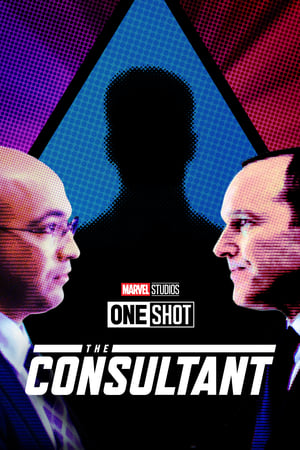
Marvel's Agent Carter is a television series that brings the fan-favorite character Peggy Carter from the pages of Marvel Comics and the Marvel Cinematic Universe into her own starring vehicle. The character was created by Stan Lee and Jack Kirby, making her comic book debut in Tales of Suspense #77 in 1966 as a wartime ally and love interest for Captain America. The series, created by Christopher Markus and Stephen McFeely, stars Hayley Atwell reprising her role from the films and the Marvel One-Shot short film, following the character as she navigates life as a secret agent in the late 1940s while struggling against the sexism of her male colleagues at the Strategic Scientific Reserve.
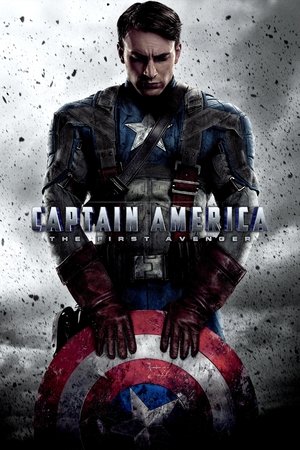
The show serves as a direct expansion of the Marvel Cinematic Universe, bridging the gap between Captain America: The First Avenger and the modern-day S.H.I.E.L.D. storylines. While the comic book version of Peggy Carter was originally a supporting character who appeared primarily in flashbacks and was later established as the aunt of Sharon Carter, the television adaptation reimagines her as a central protagonist. The series incorporates the post-war espionage tone of the early Marvel comics while introducing original characters and exploring the origins of MCU concepts like the Black Widow program and the early days of S.H.I.E.L.D.
Agent Carter ran for two seasons on ABC, airing during the mid-season breaks of Agents of S.H.I.E.L.D. The first season follows Peggy as she secretly aids Howard Stark in clearing his name while being underestimated by her SSR coworkers, and the second season relocates the action to Los Angeles, introducing a new mystery involving a mysterious substance known as Zero Matter. The series was praised for its period setting, stylish production design, and Atwell's charismatic performance, though declining ratings ultimately led to its cancellation in 2016.

Peggy Carter is a fictional character appearing in American comic books published by Marvel Comics. She was created by writer Stan Lee and artist Jack Kirby, and first appeared in Tales of Suspense #77 as a World War II love interest for Captain America. Initially depicted as a brave resistance fighter in Nazi-occupied France, the character was later retroactively established as the aunt of modern-day S.H.I.E.L.D. agent Sharon Carter.
Over the decades, Peggy Carter evolved from a wartime supporting character into a more prominent figure within Marvel's espionage lore. Her backstory was expanded to include her role as a covert operative with the French Resistance and later as an agent of the Strategic Scientific Reserve. The character's legacy within the Marvel Universe is deeply tied to the founding of S.H.I.E.L.D., often being portrayed as a pioneering female agent in a male-dominated intelligence community during the mid-20th century.
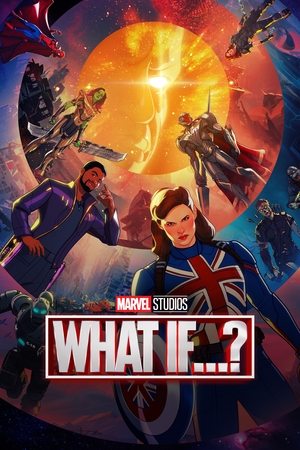
In the 2000s, writers such as Ed Brubaker deepened her history, exploring her post-war life and her connections to the modern Marvel Universe. Her significance grew to the point where alternate universe versions of the character, such as Captain Carter, took on the mantle of Captain America herself. The character's blend of vintage espionage style, combat proficiency, and emotional resilience has made her a lasting symbol of the Greatest Generation within the Marvel pantheon.
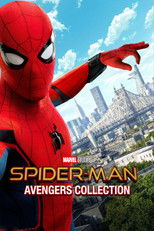
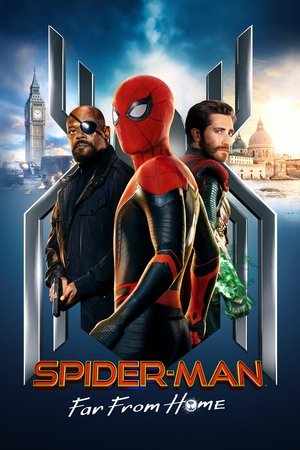
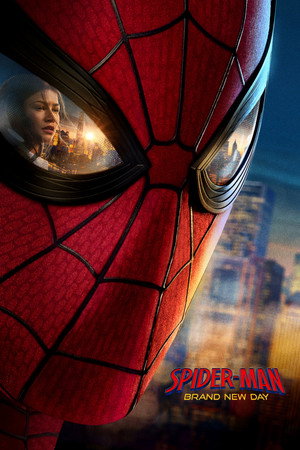
The Spider-Man (MCU) collection is a trilogy of superhero films centered on Peter Parker, a teenage superhero navigating the complexities of adolescence within the larger Marvel Cinematic Universe. Produced by Marvel Studios and distributed by Sony Pictures Releasing, the series marks the character's integration into the MCU following a landmark agreement between the two studios. The films follow Peter as he balances high school life with his secret identity, mentored by Tony Stark, and gradually confronts threats that escalate from local menaces to multiverse-shattering crises. This collection is defined by its coming-of-age narrative, blending the spectacle of superhero action with the relatable struggles of youth, friendship, and responsibility.
The trilogy explores Peter's evolution from an eager, inexperienced hero seeking approval to a self-reliant figure who understands the weight of his choices. Thematically, it grapples with identity, loss, and the consequences of living a double life, all while maintaining a light, humorous tone characteristic of the MCU's Spider-Man. The films are deeply interconnected with the broader MCU, with events from other films directly impacting Peter's journey, and his actions, in turn, sending ripples through the shared universe. This interconnectedness culminates in a narrative that not only honors the legacy of previous Spider-Man adaptations but also expands the possibilities of the character within a vast, interconnected superhero landscape.
Culturally, the collection has been a significant commercial and critical success, revitalizing the Spider-Man film brand for a new generation. It successfully reintroduced the character without retelling his origin story, instead focusing on his growth within an already established world of heroes. The trilogy's blend of high school comedy, heartfelt drama, and large-scale superhero action resonated with audiences, making it a standout within the MCU's sprawling narrative. Its impact is evident in its box office performance and its role in bridging different eras of Spider-Man cinema, creating a unique, celebratory event for fans.
The legacy of this collection lies in its innovative approach to a well-known character, proving that a fresh perspective can reinvigorate even the most familiar stories. By embedding Spider-Man firmly within the MCU, the trilogy allowed for character dynamics and plot developments impossible in a standalone series, while still delivering a deeply personal arc for Peter Parker. It stands as a testament to collaborative studio filmmaking and a defining chapter in the ongoing story of one of pop culture's most enduring heroes.