📺 Loki (2021)
Part of Marvel Cinematic Universe (MCU)
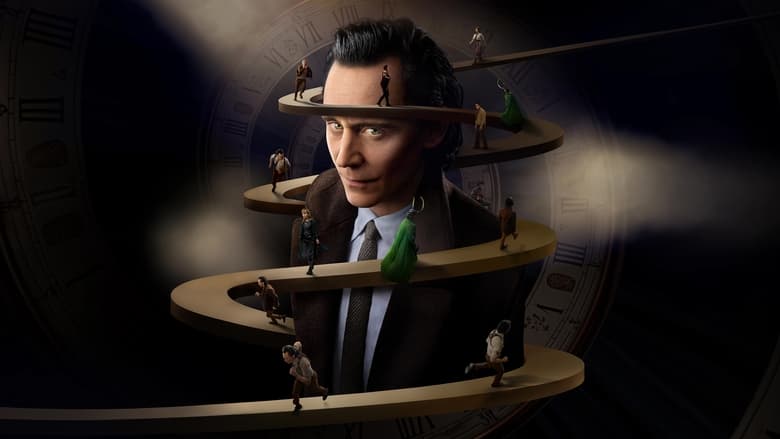
The 2021 Disney+ series 'Loki' takes one of the Marvel Cinematic Universe's most beloved villains and throws him into a mind-bending bureaucratic adventure through time and space. Created by Michael Waldron and starring Tom Hiddleston reprising his role from the Thor and Avengers films, the series picks up with an alternate version of Loki who escaped capture during the events of 'Avengers: Endgame' (2019). This variant is immediately apprehended by the Time Variance Authority (TVA), an organization that monitors the Sacred Timeline, and is recruited to help fix temporal anomalies.
The series draws its core character from the Marvel Comics version of Loki, who first appeared in his modern form in 'Journey into Mystery' #85 in 1962, created by Stan Lee, Larry Lieber, and Jack Kirby. The comic book Loki is the Asgardian God of Mischief, a shape-shifting trickster and master sorcerer whose schemes against his adoptive brother Thor have driven decades of storytelling. The TV series cleverly adapts this mercurial nature, placing Loki in a setting where his talents for deception and manipulation are both an asset and a liability.
'Loki' stands out within the Marvel Cinematic Universe for its distinctive retro-futuristic aesthetic and its exploration of themes like identity, free will, and destiny. The introduction of characters like Mobius M. Mobius (Owen Wilson) and the variant Sylvie (Sophia Di Martino) expands Loki's emotional range, forcing him to confront his own flaws and potential for growth. The series also introduces the concept of the multiverse in a major way, with Jonathan Majors appearing as 'He Who Remains,' a variant of the time-traveling villain Kang the Conqueror, setting the stage for future MCU phases.
Across its two seasons, the show evolved from a time-hopping detective story into a profound character study about purpose and sacrifice. The second season, with Eric Martin as head writer and Justin Benson and Aaron Moorhead leading the directing team, saw Loki grappling with the consequences of the multiverse's liberation and ultimately making a monumental choice that redefined his role from God of Mischief to something far more significant. The series was praised for its writing, performances, and visual style, cementing Loki's transition from a supporting antagonist to one of the MCU's most complex and tragic heroes.

Loki Laufeyson is a fictional character appearing in American comic books published by Marvel Comics. Created by writer Stan Lee, scripter Larry Lieber, and penciller Jack Kirby, the character is based on the Norse mythological deity of the same name. While a different version of Loki briefly appeared in Venus #6 (August 1949), the definitive Silver Age incarnation — the adoptive brother and nemesis of the superhero Thor — debuted in Journey into Mystery #85 in October 1962.
In his comic book appearances, Loki is depicted as the Asgardian God of Mischief, a cunning trickster and master of sorcery. Born a Frost Giant of Jotunheim, he was adopted by Odin, the All-Father of Asgard, and raised alongside Thor. His jealousy over Thor's status as heir to the throne and his own feelings of alienation drive him to become one of the Marvel Universe's most enduring supervillains, though he has also occasionally operated as an antihero.
Loki possesses genius-level intellect and a vast array of magical abilities, including illusion casting, shapeshifting, teleportation, and energy projection. Over the decades, he has been a central figure in countless storylines, from his early schemes against Thor to his roles in major crossover events. The character's complexity, shifting morality, and flair for deception have made him one of Marvel's most popular and enduring figures, inspiring numerous adaptations across film, television, and video games.
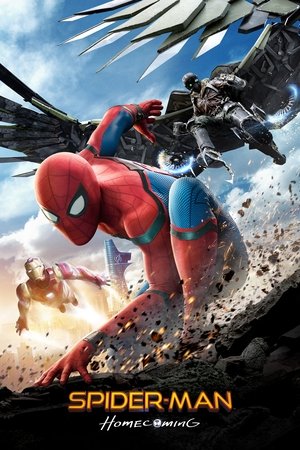
The Spider-Man (MCU) collection is a trilogy of superhero films centered on Peter Parker, a teenage superhero navigating the complexities of adolescence within the larger Marvel Cinematic Universe. Produced by Marvel Studios and distributed by Sony Pictures Releasing, the series marks the character's integration into the MCU following a landmark agreement between the two studios. The films follow Peter as he balances high school life with his secret identity, mentored by Tony Stark, and gradually confronts threats that escalate from local menaces to multiverse-shattering crises. This collection is defined by its coming-of-age narrative, blending the spectacle of superhero action with the relatable struggles of youth, friendship, and responsibility.
The trilogy explores Peter's evolution from an eager, inexperienced hero seeking approval to a self-reliant figure who understands the weight of his choices. Thematically, it grapples with identity, loss, and the consequences of living a double life, all while maintaining a light, humorous tone characteristic of the MCU's Spider-Man. The films are deeply interconnected with the broader MCU, with events from other films directly impacting Peter's journey, and his actions, in turn, sending ripples through the shared universe. This interconnectedness culminates in a narrative that not only honors the legacy of previous Spider-Man adaptations but also expands the possibilities of the character within a vast, interconnected superhero landscape.
Culturally, the collection has been a significant commercial and critical success, revitalizing the Spider-Man film brand for a new generation. It successfully reintroduced the character without retelling his origin story, instead focusing on his growth within an already established world of heroes. The trilogy's blend of high school comedy, heartfelt drama, and large-scale superhero action resonated with audiences, making it a standout within the MCU's sprawling narrative. Its impact is evident in its box office performance and its role in bridging different eras of Spider-Man cinema, creating a unique, celebratory event for fans.
The legacy of this collection lies in its innovative approach to a well-known character, proving that a fresh perspective can reinvigorate even the most familiar stories. By embedding Spider-Man firmly within the MCU, the trilogy allowed for character dynamics and plot developments impossible in a standalone series, while still delivering a deeply personal arc for Peter Parker. It stands as a testament to collaborative studio filmmaking and a defining chapter in the ongoing story of one of pop culture's most enduring heroes.

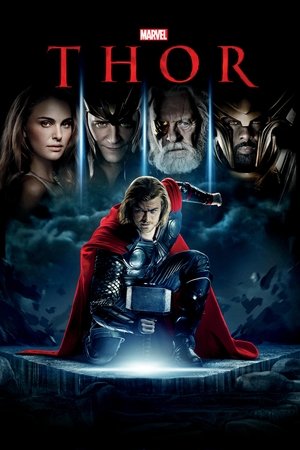
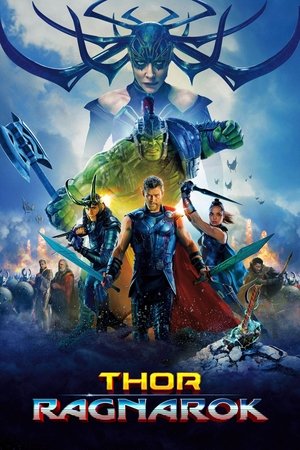
The Thor film series is a collection of superhero films within the Marvel Cinematic Universe, centered on the Asgardian god of thunder. Originating with the 2011 film, the series follows Thor's journey from a brash warrior to a wise and compassionate leader, exploring themes of worthiness, loss, and identity. The narrative spans cosmic realms, from the majestic Asgard to the chaotic planet Sakaar, blending mythological grandeur with science fiction elements. The series is notable for its evolving tone, shifting from Shakespearean drama and epic fantasy to a vibrant, comedic space opera under the direction of Taika Waititi. This reinvention revitalized the character and expanded the cosmic side of the larger cinematic universe. The collection also includes the television series 'Loki', which directly branches from Thor's story, exploring alternate timelines and the multiverse, further enriching the thematic tapestry of identity and destiny.