🎬 Doctor Strange in the Multiverse of Madness (2022)
Part of Marvel Cinematic Universe (MCU)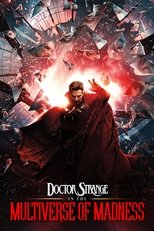
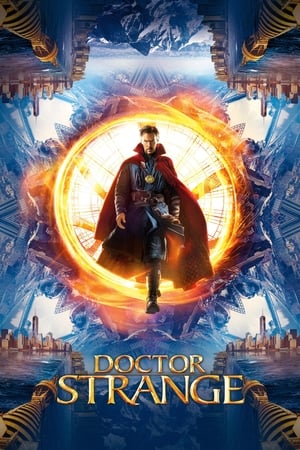
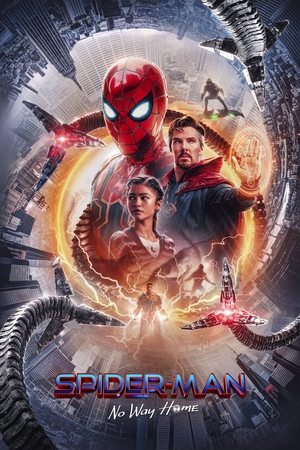
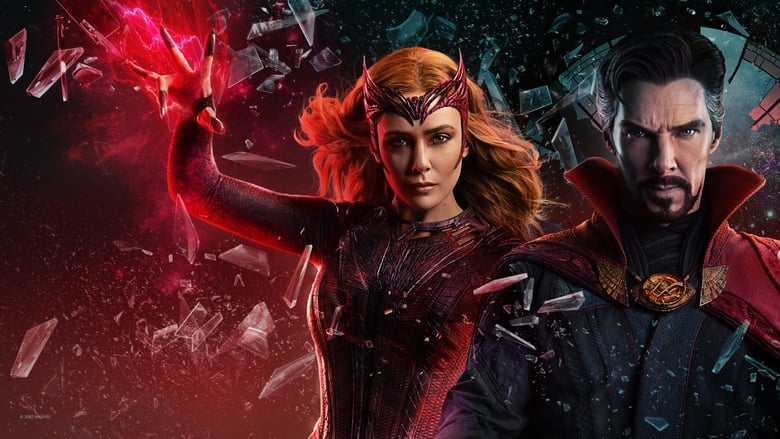
Doctor Strange in the Multiverse of Madness is the 2022 sequel to 2016's Doctor Strange, and the 28th entry in the Marvel Cinematic Universe. Directed by Sam Raimi, the film marks a significant tonal shift for the franchise, leaning heavily into the horror elements that defined Raimi's earlier work on the Evil Dead series. The story picks up after the events of Spider-Man: No Way Home and WandaVision, with Stephen Strange navigating the collapse of multiversal barriers while protecting America Chavez, a teenager with the unique ability to punch doorways between realities.
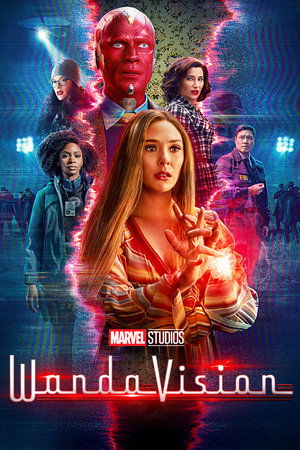
The film draws its title and broad concept from the Marvel Comics source material, though the specific plot is an original MCU creation. The character of America Chavez was introduced in the comics in 2011's Vengeance #1, created by Joe Casey and Nick Dragotta, and her dimension-hopping powers are faithfully adapted. The Scarlet Witch's transformation into the film's antagonist continues an arc begun in WandaVision, drawing inspiration from comic storylines like Avengers Disassembled and House of M, where Wanda's reality-warping grief has catastrophic consequences.
Raimi's direction brings a distinct visual flair absent from the first Doctor Strange film, with dynamic camera work, practical effects, and genuine moments of body horror that push the boundaries of the MCU's typical PG-13 rating. The film also features notable cameos from across Marvel's multiverse, including the long-awaited MCU debut of the Illuminati, a secret council of powerful heroes that in the comics includes Professor X, Mister Fantastic, and Black Bolt. These appearances connect the film to Marvel's broader screen legacy while serving the story's themes of hubris and the dangerous arrogance of those who believe they alone can control fate.
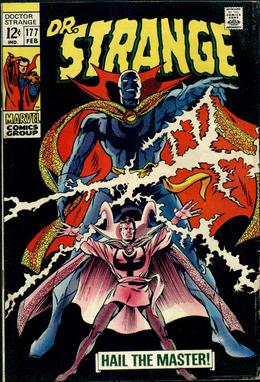
Doctor Strange is a superhero comic book series published by Marvel Comics, featuring the mystical hero of the same name. The character was created by artist Steve Ditko with scripting by Stan Lee and first appeared in Strange Tales #110, cover-dated July 1963. The series follows Dr. Stephen Vincent Strange, a brilliant but arrogant neurosurgeon whose hands are severely damaged in a car accident, ending his surgical career. Desperate for a cure, he travels to the Himalayas and encounters the Ancient One, becoming a student of the mystic arts.
Doctor Strange serves as the Sorcerer Supreme, the primary protector of Earth against magical and mystical threats. The comics are known for their surreal, psychedelic artwork—particularly Ditko's groundbreaking visualizations of alternate dimensions—and their incorporation of Eastern mysticism into the superhero genre. The character's adventures span multiple dimensions, dealing with entities like Dormammu, Baron Mordo, and Nightmare.
The series has been published in various volumes over the decades, with notable runs by creators including Steve Englehart, Frank Brunner, Roger Stern, and Jason Aaron. Doctor Strange has become one of Marvel's most iconic supernatural characters and a cornerstone of the publisher's magical universe, influencing countless other mystical characters and storylines.
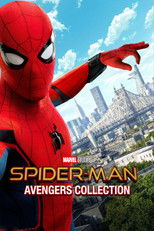
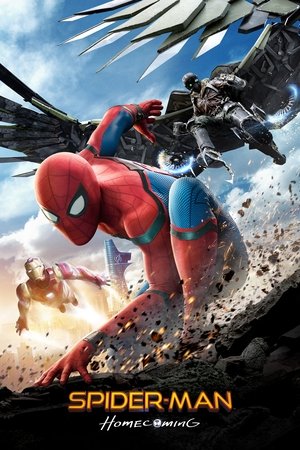
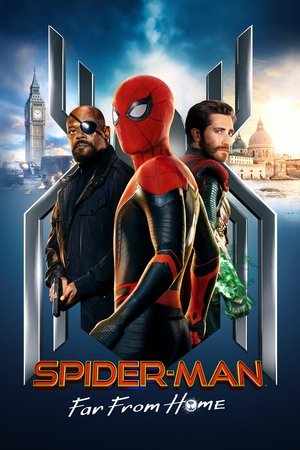
The Spider-Man (MCU) collection is a trilogy of superhero films centered on Peter Parker, a teenage superhero navigating the complexities of adolescence within the larger Marvel Cinematic Universe. Produced by Marvel Studios and distributed by Sony Pictures Releasing, the series marks the character's integration into the MCU following a landmark agreement between the two studios. The films follow Peter as he balances high school life with his secret identity, mentored by Tony Stark, and gradually confronts threats that escalate from local menaces to multiverse-shattering crises. This collection is defined by its coming-of-age narrative, blending the spectacle of superhero action with the relatable struggles of youth, friendship, and responsibility.
The trilogy explores Peter's evolution from an eager, inexperienced hero seeking approval to a self-reliant figure who understands the weight of his choices. Thematically, it grapples with identity, loss, and the consequences of living a double life, all while maintaining a light, humorous tone characteristic of the MCU's Spider-Man. The films are deeply interconnected with the broader MCU, with events from other films directly impacting Peter's journey, and his actions, in turn, sending ripples through the shared universe. This interconnectedness culminates in a narrative that not only honors the legacy of previous Spider-Man adaptations but also expands the possibilities of the character within a vast, interconnected superhero landscape.
Culturally, the collection has been a significant commercial and critical success, revitalizing the Spider-Man film brand for a new generation. It successfully reintroduced the character without retelling his origin story, instead focusing on his growth within an already established world of heroes. The trilogy's blend of high school comedy, heartfelt drama, and large-scale superhero action resonated with audiences, making it a standout within the MCU's sprawling narrative. Its impact is evident in its box office performance and its role in bridging different eras of Spider-Man cinema, creating a unique, celebratory event for fans.
The legacy of this collection lies in its innovative approach to a well-known character, proving that a fresh perspective can reinvigorate even the most familiar stories. By embedding Spider-Man firmly within the MCU, the trilogy allowed for character dynamics and plot developments impossible in a standalone series, while still delivering a deeply personal arc for Peter Parker. It stands as a testament to collaborative studio filmmaking and a defining chapter in the ongoing story of one of pop culture's most enduring heroes.

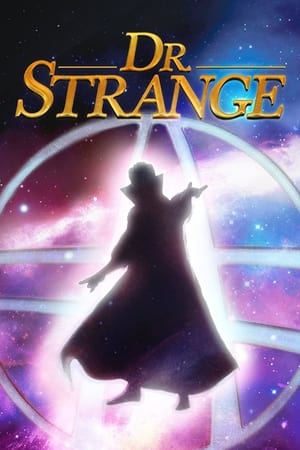
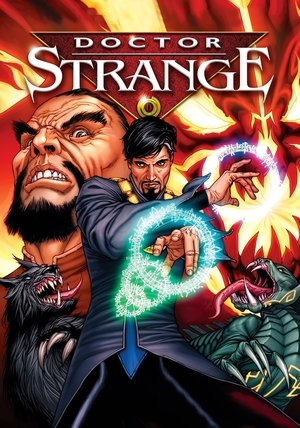
The franchise centers on a brilliant but arrogant neurosurgeon whose life is upended by a catastrophic accident, forcing him to abandon his reliance on science and embrace the mystical arts. This journey from skepticism to mastery forms the core narrative arc, exploring the intersection of modern medicine and ancient magic.
The stories consistently delve into complex metaphysical concepts, including time manipulation, alternate realities, and the delicate balance between different dimensions. Visually, the series is renowned for its groundbreaking practical and digital effects that bring spellcasting, astral projection, and cosmic landscapes to life, establishing a distinct aesthetic that blends psychedelic art with high-concept fantasy.
As a cornerstone of modern superhero cinema, the series has expanded the boundaries of the genre by introducing deeply philosophical questions about fate, free will, and the consequences of tampering with reality. Its protagonist has become an iconic figure representing the protector of Earth's mystical realms, bridging the gap between grounded human drama and expansive cosmic mythology while influencing a generation of fantasy storytelling.