📺 Moon Knight (2022)
Part of Marvel Cinematic Universe (MCU)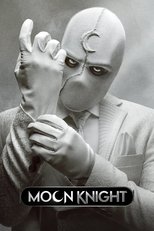
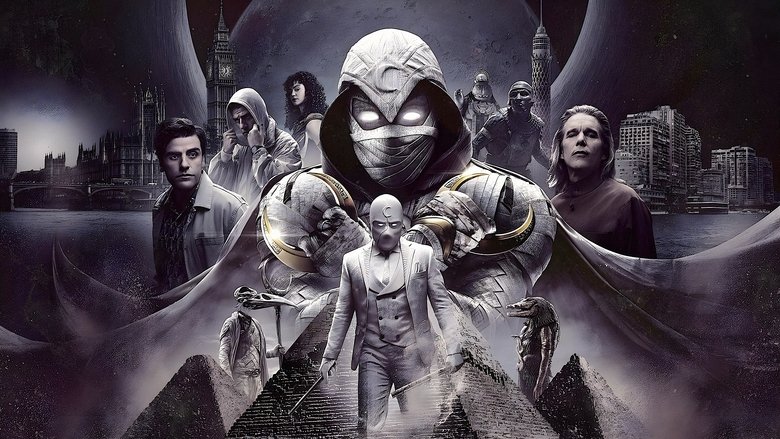
Marvel Studios' 'Moon Knight' brought one of the publisher's most psychologically complex characters to the screen in 2022, drawing heavily from the character's long and varied comic book history. Created by Doug Moench and Don Perlin, Moon Knight first appeared in the pages of 'Werewolf by Night' #32 in 1975 as a villain-for-hire, but his striking visual design and compelling backstory quickly earned him a solo feature. The Disney+ series, starring Oscar Isaac, leans into the character's defining trait—his dissociative identity disorder—by making it a central mystery rather than a hidden affliction. The show introduces viewers to Steven Grant, a mild-mannered museum gift shop employee, before revealing his connection to the mercenary Marc Spector and their shared role as the avatar of the Egyptian god Khonshu.
The series makes several key changes from the source material. While the comics feature a third primary alter, cab driver Jake Lockley, the show initially focuses on the dynamic between Steven and Marc, saving Jake for a shocking post-credits reveal. The show also grounds the supernatural elements in Egyptian mythology more explicitly than many comic runs, pitting Khonshu against the goddess Ammit in a battle of divine judgment. The costume design, however, remains a faithful and stunning translation of the comics, with the ceremonial wrappings of the 'Mr. Knight' suit and the mummy-like bandages of the Moon Knight armor manifesting directly from Khonshu's power.
As the sixth television series in the Marvel Cinematic Universe, 'Moon Knight' stands apart for its tonal and narrative independence from the wider franchise. It is a globetrotting supernatural adventure that functions almost entirely as a standalone story, with no prerequisite viewing and minimal connections to the Avengers-level events. Oscar Isaac's performance, which required him to switch between a posh British accent and a hardened American one, often in the same scene, was widely praised as a career highlight. The series was developed by Jeremy Slater and directed primarily by Mohamed Diab, with Justin Benson and Aaron Moorhead helming additional episodes, creating a distinct visual identity that blended psychological horror with blockbuster spectacle.

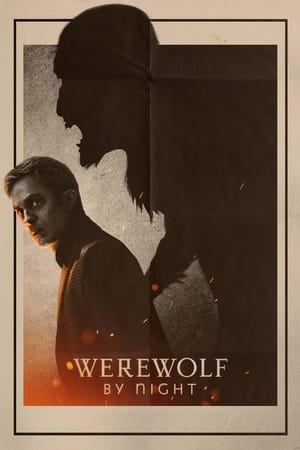
Moon Knight is a superhero character appearing in American comic books published by Marvel Comics. Created by writer Doug Moench and artist Don Perlin, the character first appeared in Werewolf by Night #32 in August 1975. Initially introduced as a mercenary hired to capture the werewolf, the character was an immediate hit with readers and quickly evolved from antagonist to protagonist.
The character's alter ego is Marc Spector, a former U.S. Marine, CIA operative, and mercenary who is left for dead in the Egyptian desert. Brought back to life by the moon god Khonshu, Spector becomes the god's fist of vengeance on Earth. To better fight crime, he creates multiple identities, including the billionaire Steven Grant and cab driver Jake Lockley. A defining and groundbreaking aspect of the character is his struggle with dissociative identity disorder, a condition that makes him a uniquely complex and unreliable hero in the Marvel Universe.
Throughout his publication history, Moon Knight's tone and style have varied dramatically, from supernatural avenger to street-level vigilante. Acclaimed runs by writers like Charlie Huston, Warren Ellis, and Jeff Lemire have explored his fractured psyche, his relationship with his god, and his place in the darker corners of the Marvel Universe. The character's visual design, a stark white hooded costume that stands out in the shadows, has become iconic, symbolizing a hero who wants his enemies to see him coming.
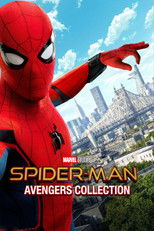
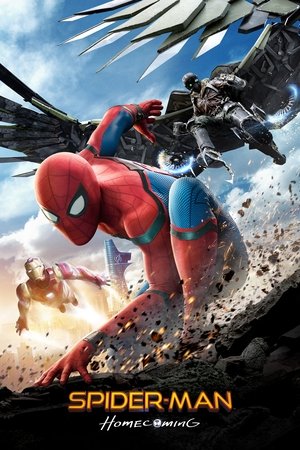
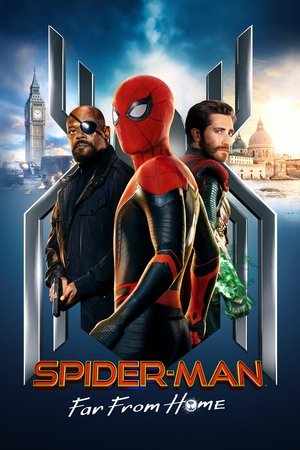
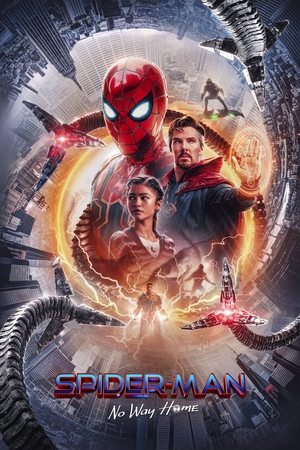
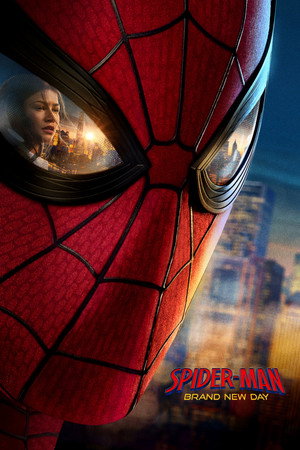
The Spider-Man (MCU) collection is a trilogy of superhero films centered on Peter Parker, a teenage superhero navigating the complexities of adolescence within the larger Marvel Cinematic Universe. Produced by Marvel Studios and distributed by Sony Pictures Releasing, the series marks the character's integration into the MCU following a landmark agreement between the two studios. The films follow Peter as he balances high school life with his secret identity, mentored by Tony Stark, and gradually confronts threats that escalate from local menaces to multiverse-shattering crises. This collection is defined by its coming-of-age narrative, blending the spectacle of superhero action with the relatable struggles of youth, friendship, and responsibility.
The trilogy explores Peter's evolution from an eager, inexperienced hero seeking approval to a self-reliant figure who understands the weight of his choices. Thematically, it grapples with identity, loss, and the consequences of living a double life, all while maintaining a light, humorous tone characteristic of the MCU's Spider-Man. The films are deeply interconnected with the broader MCU, with events from other films directly impacting Peter's journey, and his actions, in turn, sending ripples through the shared universe. This interconnectedness culminates in a narrative that not only honors the legacy of previous Spider-Man adaptations but also expands the possibilities of the character within a vast, interconnected superhero landscape.
Culturally, the collection has been a significant commercial and critical success, revitalizing the Spider-Man film brand for a new generation. It successfully reintroduced the character without retelling his origin story, instead focusing on his growth within an already established world of heroes. The trilogy's blend of high school comedy, heartfelt drama, and large-scale superhero action resonated with audiences, making it a standout within the MCU's sprawling narrative. Its impact is evident in its box office performance and its role in bridging different eras of Spider-Man cinema, creating a unique, celebratory event for fans.
The legacy of this collection lies in its innovative approach to a well-known character, proving that a fresh perspective can reinvigorate even the most familiar stories. By embedding Spider-Man firmly within the MCU, the trilogy allowed for character dynamics and plot developments impossible in a standalone series, while still delivering a deeply personal arc for Peter Parker. It stands as a testament to collaborative studio filmmaking and a defining chapter in the ongoing story of one of pop culture's most enduring heroes.