🎬 Spider-Man: Brand New Day (2026)
Part of Marvel Cinematic Universe (MCU) 🔥 Trending this week
Spider-Man: Brand New Day (2026) draws its title from the iconic 2008 Marvel Comics storyline of the same name, published in The Amazing Spider-Man #546-564. This comic arc, helmed by writers like Dan Slott and artists including Steve McNiven, followed the divisive One More Day event where Peter Parker struck a demonic bargain to save Aunt May, erasing his marriage to Mary Jane Watson and resetting his life to a familiar state of romantic woes, financial woes, and solo heroics in New York. The storyline emphasized street-level threats, new villains like Mister Negative, and Peter's eternal underdog charm, refreshing the franchise for a new era of readers.
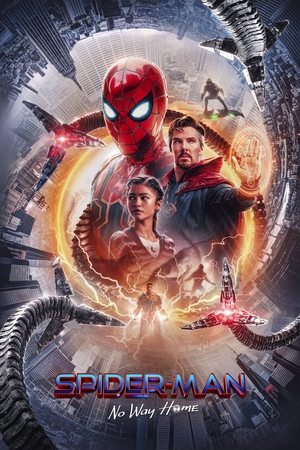
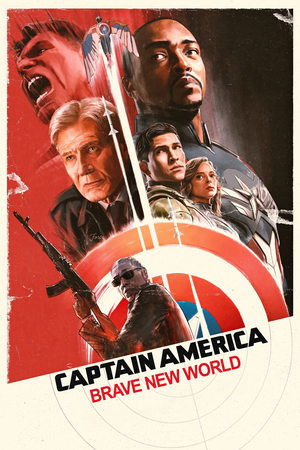
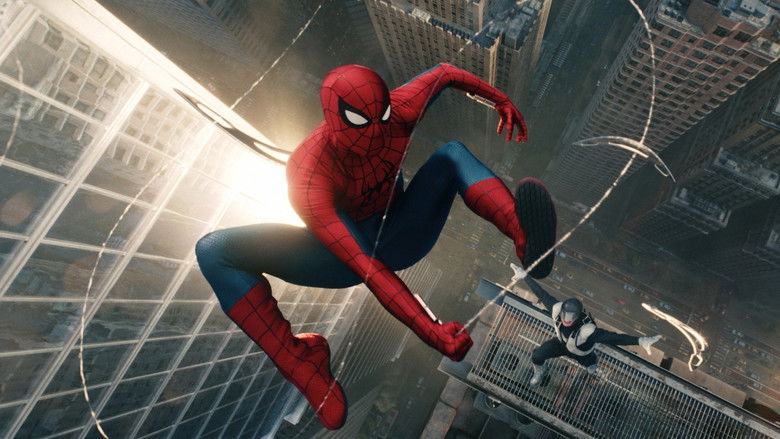
Directed by Destin Daniel Cretton and written by Chris McKenna and Erik Sommers, the film stars Tom Holland reprising his role as Peter Parker/Spider-Man, now operating anonymously after the multiversal chaos of No Way Home. Joined by Zendaya, Sadie Sink, Jacob Batalon, Jon Bernthal as the Punisher, and Mark Ruffalo as Hulk, it promises a 'proper Spider-Man' vibe with Parker tackling gritty NYC crime amid an evolving superpower crisis. Filming wrapped in late 2025 across Scotland and England, positioning it as the kickoff to a new trilogy in the MCU's Spider-Man saga, mirroring the comic's post-reset fresh start.
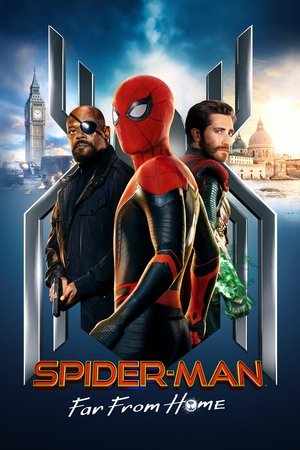
This entry continues the MCU collection that began with Homecoming (2017), Far From Home (2019), and No Way Home (2021), all tracing Peter Parker's growth amid larger-than-life threats. The Brand New Day nod cleverly echoes Peter's MCU isolation, potentially nodding to comic elements while carving its own path in the sprawling Marvel Cinematic Universe franchise.
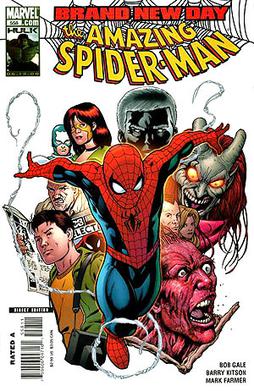
Brand New Day is a comic book storyline published by Marvel Comics in The Amazing Spider-Man, spanning issues #546 to #564 from January to July 2008. Written by a team including Dan Slott, Marc Guggenheim, Bob Gale, and Zeb Wells, with art by various artists such as Steve McNiven, it marked a major reset for the Spider-Man series following the controversial One More Day storyline. In this era, Peter Parker's marriage to Mary Jane Watson is retroactively erased by a deal with Mephisto, restoring him to single life and adjusting his personal history while he resumes web-slinging in New York City after a 100-day absence amid the Superhuman Registration Act.
The narrative focuses on Spider-Man's street-level adventures, introducing new characters like Mister Negative, Menace, and Jackpot, alongside returns of familiar foes and allies such as Harry Osborn. Emphasizing Peter Parker's perpetual bad luck, financial struggles, and romantic entanglements, the storyline revitalized the series with shorter, self-contained arcs and a back-to-basics approach. It ran for over 100 issues until transitioning into Spider-Man: Big Time, influencing subsequent Spider-Man comics and becoming a benchmark for character reboots in superhero publishing.
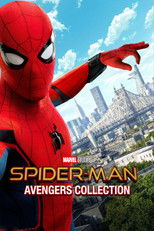
The Spider-Man (MCU) collection is a trilogy of superhero films centered on Peter Parker, a teenage superhero navigating the complexities of adolescence within the larger Marvel Cinematic Universe. Produced by Marvel Studios and distributed by Sony Pictures Releasing, the series marks the character's integration into the MCU following a landmark agreement between the two studios. The films follow Peter as he balances high school life with his secret identity, mentored by Tony Stark, and gradually confronts threats that escalate from local menaces to multiverse-shattering crises. This collection is defined by its coming-of-age narrative, blending the spectacle of superhero action with the relatable struggles of youth, friendship, and responsibility.
The trilogy explores Peter's evolution from an eager, inexperienced hero seeking approval to a self-reliant figure who understands the weight of his choices. Thematically, it grapples with identity, loss, and the consequences of living a double life, all while maintaining a light, humorous tone characteristic of the MCU's Spider-Man. The films are deeply interconnected with the broader MCU, with events from other films directly impacting Peter's journey, and his actions, in turn, sending ripples through the shared universe. This interconnectedness culminates in a narrative that not only honors the legacy of previous Spider-Man adaptations but also expands the possibilities of the character within a vast, interconnected superhero landscape.
Culturally, the collection has been a significant commercial and critical success, revitalizing the Spider-Man film brand for a new generation. It successfully reintroduced the character without retelling his origin story, instead focusing on his growth within an already established world of heroes. The trilogy's blend of high school comedy, heartfelt drama, and large-scale superhero action resonated with audiences, making it a standout within the MCU's sprawling narrative. Its impact is evident in its box office performance and its role in bridging different eras of Spider-Man cinema, creating a unique, celebratory event for fans.
The legacy of this collection lies in its innovative approach to a well-known character, proving that a fresh perspective can reinvigorate even the most familiar stories. By embedding Spider-Man firmly within the MCU, the trilogy allowed for character dynamics and plot developments impossible in a standalone series, while still delivering a deeply personal arc for Peter Parker. It stands as a testament to collaborative studio filmmaking and a defining chapter in the ongoing story of one of pop culture's most enduring heroes.
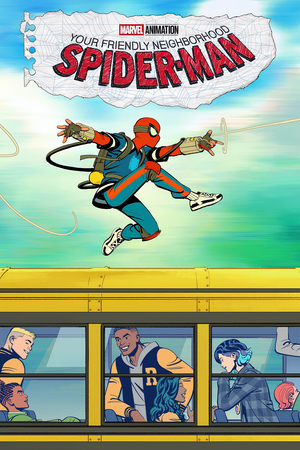
Marvel's Spider-Man is a collection of interconnected films and television series that reimagines the iconic superhero within the Marvel Cinematic Universe (MCU) and beyond. Launched in 2017 with Spider-Man: Homecoming, the series is a collaborative effort between Marvel Studios and Sony Pictures, marking the first time the character appeared alongside the Avengers. The story centers on a teenage Peter Parker, portrayed by Tom Holland, as he balances the challenges of high school with the responsibilities of being a superhero under the mentorship of Tony Stark. The subsequent films, Far From Home (2019) and No Way Home (2021), expand his journey across Europe and into the multiverse, while the upcoming Brand New Day (2026) promises a fresh start. The animated series Your Friendly Neighborhood Spider-Man (2025) offers an alternate take on the hero's early days, broadening the collection's scope.
At its core, the series explores timeless themes of responsibility, identity, and sacrifice. Peter's arc is defined by his struggle to forge his own path while living up to the legacy of his mentors and dealing with the consequences of his choices. The narrative delves into the tension between personal desires and public duty, as Peter grapples with loss, guilt, and the weight of his secret identity. The multiverse storyline in No Way Home elevates these themes by confronting Peter with alternate versions of himself and forcing him to make a profound sacrifice, resetting his life and relationships. This emotional grounding, combined with spectacular action, has resonated deeply with audiences.
Culturally, this collection has left an indelible mark on modern superhero cinema. The integration of Spider-Man into the MCU was a historic deal that delighted fans and proved the viability of shared universes. The films have been both critically acclaimed and commercially successful, with No Way Home becoming a global phenomenon by uniting three generations of Spider-Man actors. The series' innovative approach to legacy and multiversal storytelling has influenced the broader MCU and demonstrated the enduring appeal of the character. The upcoming animated series further showcases the flexibility of the Spider-Man mythos, appealing to new audiences while honoring the character's rich history.
As the collection continues to evolve with Brand New Day and Your Friendly Neighborhood Spider-Man, it reflects Marvel's commitment to expanding its storytelling across film and television. The series has redefined Spider-Man for a contemporary audience, emphasizing his humanity and relatability. By blending standalone adventures with larger universe connections, it maintains a delicate balance that keeps the character fresh and relevant. The legacy of this collection lies in its ability to honor the past while charting a new future for one of pop culture's most beloved heroes.