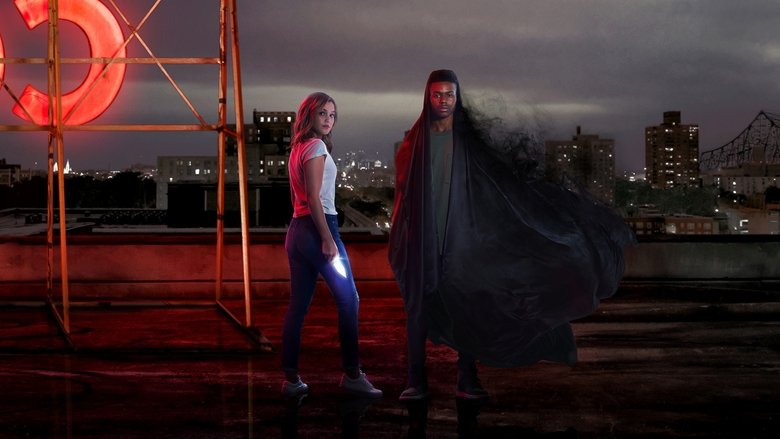
📺 Marvel's Cloak & Dagger (2018)
Part of Marvel Cinematic Universe (MCU)
Marvel's Cloak & Dagger arrived on Freeform in 2018 as a bold reimagining that traded the duo's classic New York City origins for the atmospheric, haunted streets of New Orleans. Showrunner Joe Pokaski transplanted Tyrone Johnson and Tandy Bowen from the concrete canyons of Manhattan to the Big Easy, a move that infused the series with a rich sense of place, using the city's history of voodoo, racial tension, and economic disparity as a living backdrop. The most significant adaptation choice was delaying their physical union; the first season functions as an extended origin story, keeping the two protagonists largely separate until the finale, focusing instead on the parallel traumas that awaken their powers. This slow-burn approach allowed the show to dive deep into character, exploring Ty's grief over his brother's police shooting and Tandy's life derailed by her father's corporate malfeasance, grounding their eventual partnership in a shared, almost cosmic, need for balance.
Visually and thematically, the series leaned hard into the metaphor of their powers. Cloak's darkness wasn't just a teleportation tool but a consuming void linked to the terror of his past, while Dagger's light daggers became a physical manifestation of hope capable of literally seeing into people's fears and aspirations. The adaptation cleverly reinterpreted their comic-book dependency—Cloak's hunger for light and Dagger's need for a focus—as a profound emotional and psychological symbiosis, a "divine pairing" prophesied by the local voodoo culture. The show also grounded its villains not in supervillainy but in systemic rot: a corrupt corporation covering up an environmental disaster that became the catalyst for their powers, replacing the comic's experimental synthetic drug with a more modern, insidious form of corporate negligence.
Critically, the first season was praised for its mature handling of complex issues and the palpable chemistry between leads Olivia Holt and Aubrey Joseph, even if some found the deliberate pacing a test of patience. The series stood apart in the Marvel Television landscape by feeling less like a superhero show and more like a moody, character-driven drama that happened to have superpowers. Its second season doubled down on this identity, fully embracing the duo's vigilante partnership and introducing more overt comic-book elements like the Darkforce Dimension, while continuing to use its New Orleans setting as a character in itself. Though ultimately cancelled after two seasons, the show carved out a unique niche, proving that the most effective adaptations are often those willing to radically re-contextualize their source material to tell a story that resonates with a new time and place.

Cloak and Dagger are a fictional superhero duo appearing in American comic books published by Marvel Comics. Created by writer Bill Mantlo and artist Ed Hannigan, they made their debut in Peter Parker, the Spectacular Spider-Man #64 (cover-dated March 1982). The characters are Tyrone "Ty" Johnson and Tandy Bowen, two teenagers who run away from troubled homes and meet on the streets of New York City. They are kidnapped and subjected to an experimental synthetic drug, which triggers latent mutant abilities—Cloak gains the power to manipulate darkness, teleport, and experience the fears of others through the Darkforce Dimension, while Dagger can create, sculpt, and project living light that can heal or harm.
The duo initially struggles to control their powers and survive on the streets, but soon become vigilantes waging war on drug abuse, organized crime, and supernatural threats. They are often depicted as a platonic bond bound by shared trauma and dependency—Cloak needs Dagger’s light to stave off the darkness that threatens to consume him, and Dagger relies on Cloak for focus and purpose. Their early adventures frequently involve Spider-Man, and they later become allies of the X-Men and other superhero teams.
Over the decades, Cloak and Dagger have starred in multiple limited series, ongoing titles, and one-shots, evolving from street-level crusaders into mystical avengers. Their stories have addressed themes of homelessness, addiction, capitalism, and racial tension, making them one of Marvel’s most socially conscious creations. The characters remain iconic for their visual contrast and the emotional depth of their interdependence, and they have appeared in animated series, video games, and live-action adaptations.
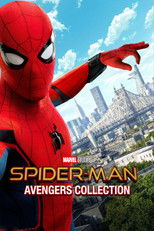
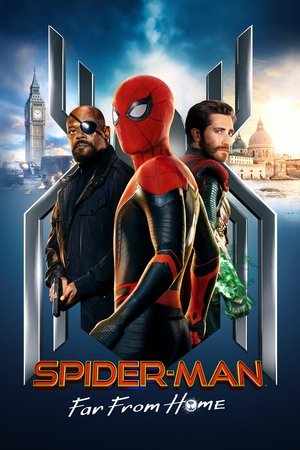
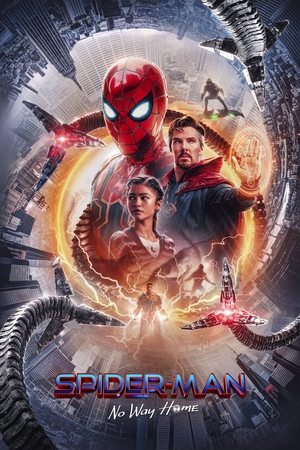
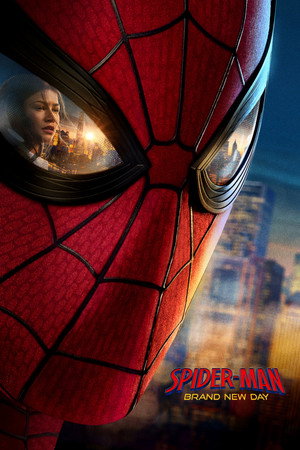
The Spider-Man (MCU) collection is a trilogy of superhero films centered on Peter Parker, a teenage superhero navigating the complexities of adolescence within the larger Marvel Cinematic Universe. Produced by Marvel Studios and distributed by Sony Pictures Releasing, the series marks the character's integration into the MCU following a landmark agreement between the two studios. The films follow Peter as he balances high school life with his secret identity, mentored by Tony Stark, and gradually confronts threats that escalate from local menaces to multiverse-shattering crises. This collection is defined by its coming-of-age narrative, blending the spectacle of superhero action with the relatable struggles of youth, friendship, and responsibility.
The trilogy explores Peter's evolution from an eager, inexperienced hero seeking approval to a self-reliant figure who understands the weight of his choices. Thematically, it grapples with identity, loss, and the consequences of living a double life, all while maintaining a light, humorous tone characteristic of the MCU's Spider-Man. The films are deeply interconnected with the broader MCU, with events from other films directly impacting Peter's journey, and his actions, in turn, sending ripples through the shared universe. This interconnectedness culminates in a narrative that not only honors the legacy of previous Spider-Man adaptations but also expands the possibilities of the character within a vast, interconnected superhero landscape.
Culturally, the collection has been a significant commercial and critical success, revitalizing the Spider-Man film brand for a new generation. It successfully reintroduced the character without retelling his origin story, instead focusing on his growth within an already established world of heroes. The trilogy's blend of high school comedy, heartfelt drama, and large-scale superhero action resonated with audiences, making it a standout within the MCU's sprawling narrative. Its impact is evident in its box office performance and its role in bridging different eras of Spider-Man cinema, creating a unique, celebratory event for fans.
The legacy of this collection lies in its innovative approach to a well-known character, proving that a fresh perspective can reinvigorate even the most familiar stories. By embedding Spider-Man firmly within the MCU, the trilogy allowed for character dynamics and plot developments impossible in a standalone series, while still delivering a deeply personal arc for Peter Parker. It stands as a testament to collaborative studio filmmaking and a defining chapter in the ongoing story of one of pop culture's most enduring heroes.