🎬 Fantastic Four (2015)
Based on comic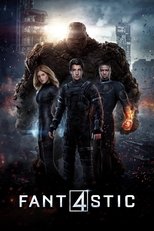
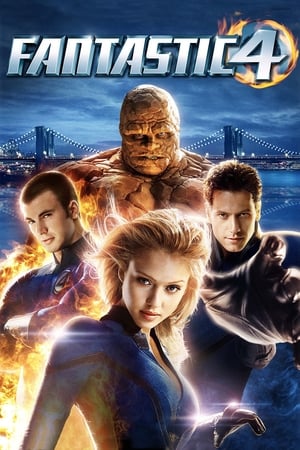
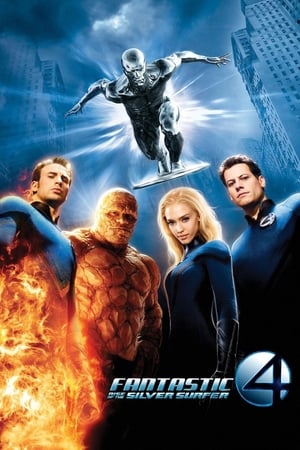
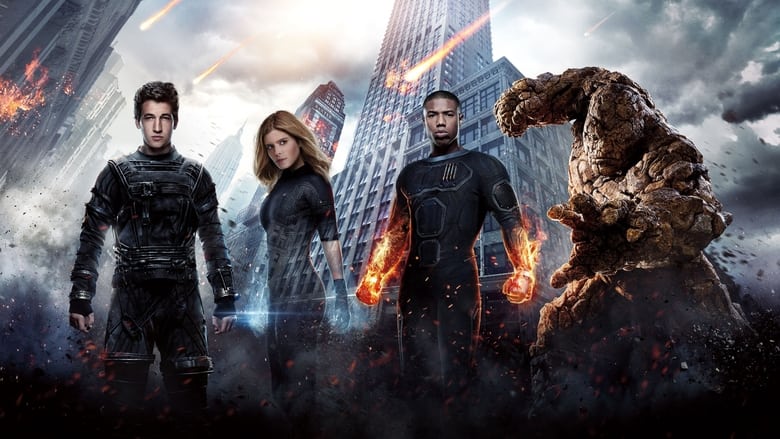
The 2015 film Fantastic Four, stylized as FANT4STIC, represents a darker and more grounded reimagining of Stan Lee and Jack Kirby's classic Marvel comic book team, which first appeared in 1961. Directed by Josh Trank, this version serves as a reboot of the film series, completely separate from the two 2000s-era films. The story re-conceives the characters' origin, framing it through a contemporary lens of young scientific prodigies. Instead of a spaceflight, the team's transformation is triggered by an accident involving an experimental interdimensional teleporter, a concept that ties the narrative more closely to modern science fiction than the atomic-age optimism of the original comics.
The film takes significant liberties with the source material, most notably by portraying the characters as much younger than their traditional comic book counterparts. The casting of Miles Teller as Reed Richards, Kate Mara as Sue Storm, Michael B. Jordan as Johnny Storm, and Jamie Bell as Ben Grimm was a deliberate move to establish a coming-of-age tone. The decision to make Johnny Storm African American, while Sue remained white, was a notable departure that sparked considerable discussion, with the script explaining their relationship through adoption. The film's first half, which focuses on the characters' intellectual camaraderie and the wonder of scientific discovery, was praised by some for its unique approach, but the final act, heavily altered by studio-mandated reshoots, was widely criticized for its jarring tonal shift and rushed, conventional superhero climax.
Plagued by a notoriously troubled production, the film became a case study in creative clashes between a director's vision and studio interference. Reports of on-set tensions and a significant overhaul of the third act during reshoots fueled negative pre-release publicity. Upon its release, Fantastic Four was a critical and commercial disaster, failing to connect with audiences and grossing only $168 million worldwide against a substantial budget. It was panned for its grim tone, lack of chemistry among the cast, and a disjointed narrative that felt like two different movies stitched together. The film swept the Golden Raspberry Awards, winning Worst Picture and Worst Director, and effectively halted any plans for a sequel, leaving the franchise dormant until Marvel Studios' eventual reacquisition of the characters' film rights.
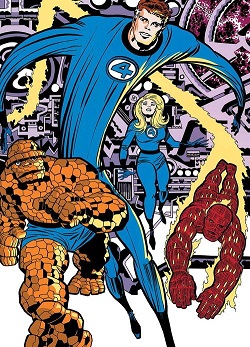
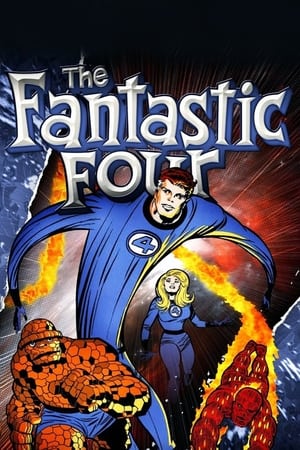
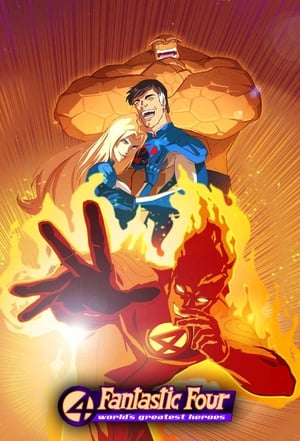
The Fantastic Four is a superhero team appearing in American comic books published by Marvel Comics. The team debuted in The Fantastic Four #1 (cover-dated November 1961), created by writer Stan Lee and artist Jack Kirby. The series was a cornerstone of the Marvel Universe and helped establish Marvel's rise as a major comic book publisher in the 1960s.
The team consists of four individuals who gain superpowers after exposure to cosmic rays during a scientific mission to outer space: Mister Fantastic (Reed Richards), a scientific genius who can stretch his body into incredible lengths and shapes; the Invisible Woman (Susan Storm), Reed's eventual wife, who can render herself invisible and project powerful force fields; the Human Torch (Johnny Storm), Sue's hotheaded younger brother, who can engulf his body in flames and fly; and the Thing (Ben Grimm), Reed's gruff but kind-hearted best friend, whose body is transformed into a super-strong, orange, rock-like creature.
Unlike traditional superhero teams of the era, the Fantastic Four were portrayed as a dysfunctional family who bickered, held grudges, and dealt with personal problems alongside their world-saving adventures. This grounded, character-driven approach was revolutionary for superhero comics and became a hallmark of Marvel's storytelling style. The series introduced many iconic Marvel characters and concepts, including the planet-devouring Galactus, the Silver Surfer, the Black Panther, the Inhumans, the Negative Zone, and the shape-shifting Skrulls.
The Fantastic Four have been one of Marvel's most enduring and influential properties for over six decades. The comic has been adapted into numerous animated series, video games, and live-action films. The team's blend of cosmic exploration, family dynamics, and scientific wonder has made them a beloved fixture of popular culture, often referred to as 'Marvel's First Family.'