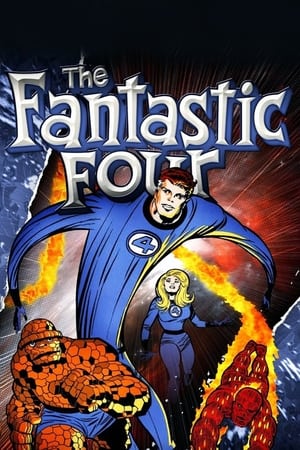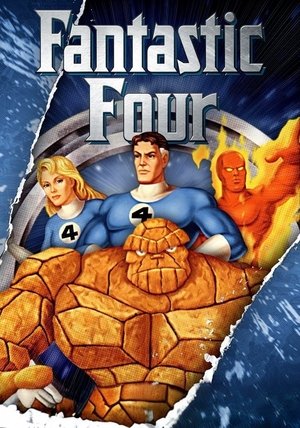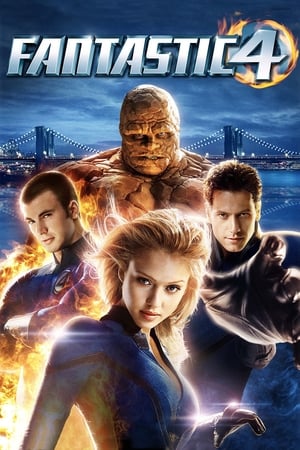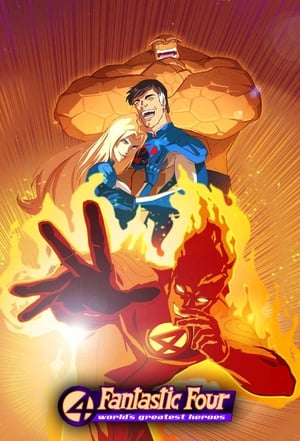
📺 The Fantastic Four (1978)
Based on comic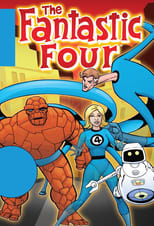
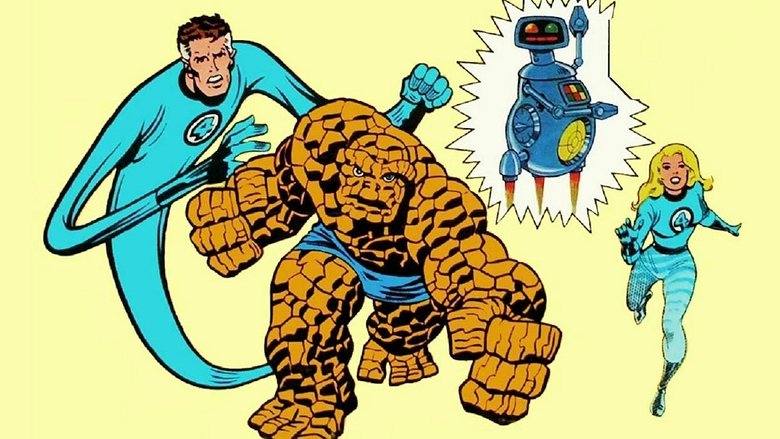
The 1978 animated series The New Fantastic Four (broadcast under the on-screen title The Fantastic Four) arrived as the second small-screen adaptation of Marvel's First Family, following Hanna-Barbera's 1967 series. Produced by DePatie–Freleng Enterprises and Marvel Comics Animation, the show ran for a single season of thirteen episodes on NBC, bringing Reed Richards, Susan Storm, and Ben Grimm back to Saturday mornings with one very conspicuous absence.
In a bizarre twist of licensing fate, the Human Torch was unavailable because Universal Pictures held an option on the character for a live-action television project that never materialized. Rather than bench the entire team, Stan Lee created a replacement: H.E.R.B.I.E., a small, hovering robot whose name stood for Humanoid Experimental Robot, B-type, Integrated Electronics. The character was directly inspired by the popularity of R2-D2 from Star Wars, though artist Dave Cockrum, tasked with initial designs, was so opposed to the idea that he submitted deliberately absurd concepts resembling household appliances on wheels.
The series is a curious footnote in Fantastic Four history, remembered less for its storytelling and more for the strange circumstances of its production. It marked the only time a core member of the team was entirely excised from an adaptation due to rights entanglements, a situation that would not be fully resolved until decades later when Marvel Studios regained control of its characters. H.E.R.B.I.E. himself, however, proved surprisingly enduring, later appearing in Marvel comics continuity as a supporting character and occasional ally to the team.
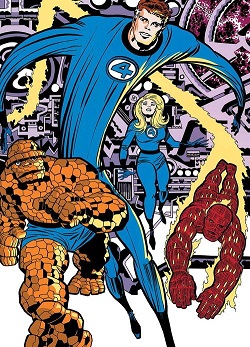
The Fantastic Four is a superhero team appearing in American comic books published by Marvel Comics. The team debuted in The Fantastic Four #1 (cover-dated November 1961), created by writer Stan Lee and artist Jack Kirby. The series was a cornerstone of the Marvel Universe and helped establish Marvel's rise as a major comic book publisher in the 1960s.
The team consists of four individuals who gain superpowers after exposure to cosmic rays during a scientific mission to outer space: Mister Fantastic (Reed Richards), a scientific genius who can stretch his body into incredible lengths and shapes; the Invisible Woman (Susan Storm), Reed's eventual wife, who can render herself invisible and project powerful force fields; the Human Torch (Johnny Storm), Sue's hotheaded younger brother, who can engulf his body in flames and fly; and the Thing (Ben Grimm), Reed's gruff but kind-hearted best friend, whose body is transformed into a super-strong, orange, rock-like creature.
Unlike traditional superhero teams of the era, the Fantastic Four were portrayed as a dysfunctional family who bickered, held grudges, and dealt with personal problems alongside their world-saving adventures. This grounded, character-driven approach was revolutionary for superhero comics and became a hallmark of Marvel's storytelling style. The series introduced many iconic Marvel characters and concepts, including the planet-devouring Galactus, the Silver Surfer, the Black Panther, the Inhumans, the Negative Zone, and the shape-shifting Skrulls.
The Fantastic Four have been one of Marvel's most enduring and influential properties for over six decades. The comic has been adapted into numerous animated series, video games, and live-action films. The team's blend of cosmic exploration, family dynamics, and scientific wonder has made them a beloved fixture of popular culture, often referred to as 'Marvel's First Family.'